ruth901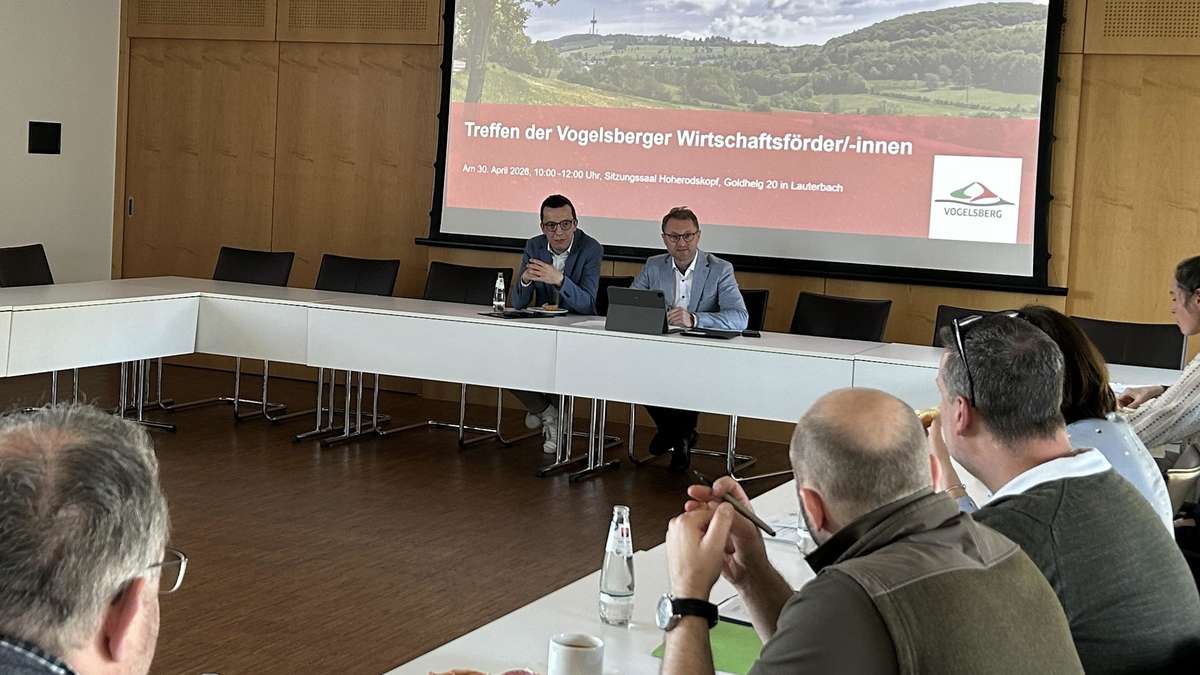

Pooling commercial space across municipal boundaries: The Vogelsberg district wants to strengthen the local economy with inter-municipal areas.
Vogelsbergkreis – Modern locations and disused factory sites were the focus of the recent meeting of the Vogelsberg economic developers in the district administration, at which Christoph Saffrich from the Gefak Society for Applied Municipal Research mbH based in Marburg gave a lecture, the district administration announced.
Vogelsbergkreis relies on intermunicipal commercial areas
His suggestion: In the Vogelsberg district, intermunicipal commercial areas could be designated in the future. An aspect that is also stipulated as a “central field of action” in the coalition agreement presented a few days ago.
“We cannot solve the challenges posed by high energy costs or the federal government’s structural reforms, which are only being implemented half-heartedly, at a lower level,” said District Administrator Dr. Jens Mischak clearly. “But there are adjustments we can make in the area of economic development to improve the situation on site.”
The principle of pooling areas across municipal boundaries offers clear advantages: better marketing opportunities, targeted use of funds and a fair share in economic success.
Economic development is the top priority in the coalition agreement between the CDU and SPD. One aspect is the designation of intermunicipal commercial areas. Suitable commercial areas would have to be developed together with interested municipalities, especially along the supra-regional traffic axes, the A5, the A49 and the A7. The coalition agreement states that the district must not only act in a coordinated manner, but also proactively if necessary. And further: “The principle of pooling areas across municipal boundaries offers clear advantages: better marketing opportunities, targeted use of funds and a fair share in economic success.”
Speaker Christoph Saffrich also highlighted these advantages. In times of economic upheaval, more space is needed, but it is not available everywhere. “There are municipalities where space is scarce, while others have free space but no demand.” In addition, large projects can be implemented more easily in an inter-municipal commercial area. On the other hand, the costs could be shared.
The speaker pointed out that the requirements for company locations are also changing. “The issue of storage space is coming back into focus.” And finally, there will be numerous business handovers in the next few years. “But what happens to the space if no successor is found and the business has to be wound up?”
What is very important in the development of a common commercial space strategy is: “The municipalities involved must participate on an equal level,” emphasized Saffrich, who then presented the economic developers with several projects that the Gefak Society for Applied Municipal Research mbH has supported. /rsb
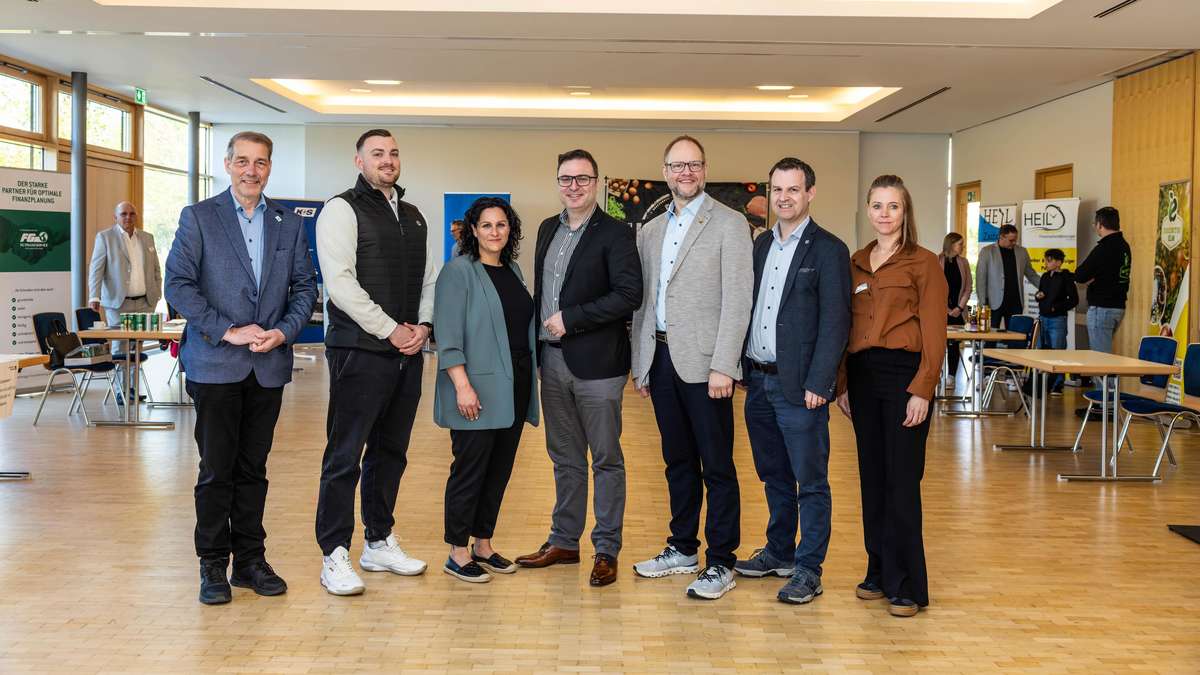
While intermunicipal commercial areas are intended to secure space for the businesses of tomorrow, the right entrepreneurs are already being networked elsewhere: At the founders' get-together in the Vogelsberg district, 20 young entrepreneurs from different industries met to exchange ideas.