ruth901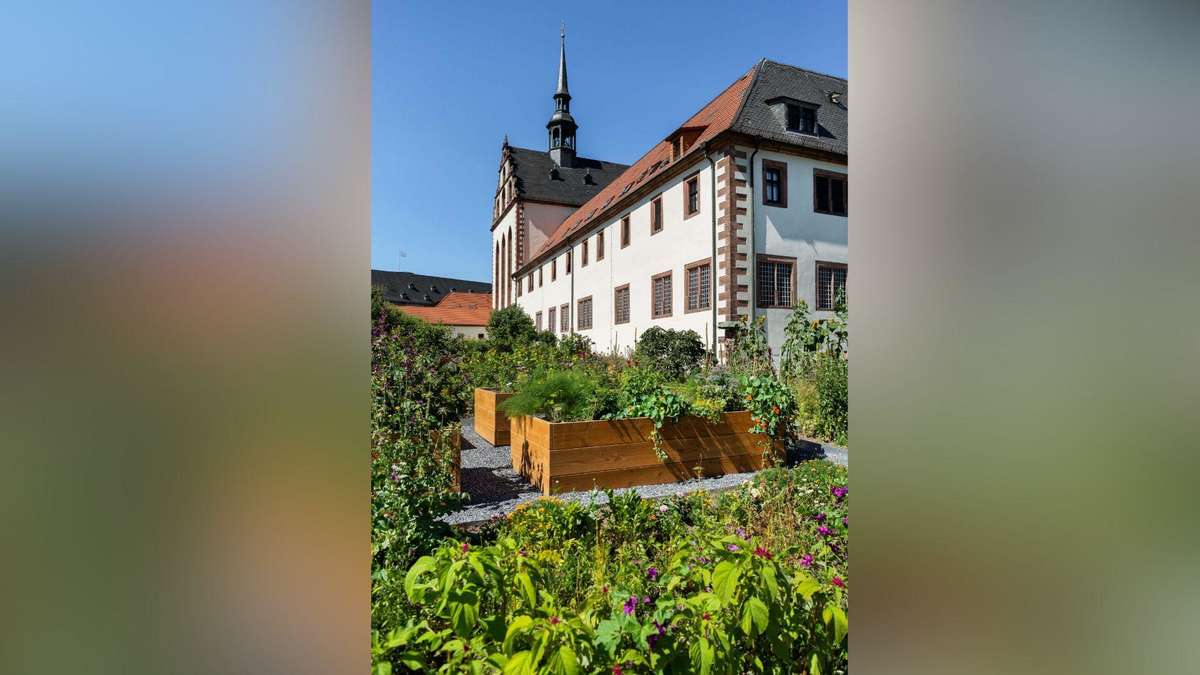

Benedictine nuns have lived in the heart of Fulda for 400 years. But they are becoming fewer and fewer. The religious community is therefore considering selling the monastery.
Fulda – The community, founded in 1626, is facing profound structural changes in view of demographic change and a lack of young people, according to a press release. In the future, the shrinking community will no longer be able to maintain and use the existing monastery complex on its own.
Benedictine nuns in Fulda are considering selling their monastery
Against this background, the Benedictine nuns in Fulda are currently intensively examining how their monastic life can be continued in a sustainable and spiritually harmonious manner in the future. The plans include the construction of a new building and the possible partial sale of the property and the current monastery including the outbuildings in the heart of Fulda.
The aim is to create economically sustainable structures, to continue to enable the community to live a Benedictine way of life and at the same time to ensure long-term care and support for the sisters in old age. The sisters commissioned Pro Secur Immobilien GmbH to ensure the sustainable development of the location. The company, based in Cologne, says it specializes in church real estate and has already supported several religious communities in restructuring.
A central concern of the women religious is to stay in Fulda. For them, the baroque city and the monastery located near the cathedral are not just a geographical location, but a spiritual home. In this place, “which is shaped by the prayer and faith of many generations,” they see their mission as keeping the Benedictine presence alive. According to the community's own statements, it is the express wish of the community to continue to be “a sign of loyalty, stability and searching faith” in Fulda – in service to the church and to the people who share the path with them.
Despite possible building and structural changes, central aspects of monastic life should remain intact. This is how the monastery shop should be preserved. Also The production of the monastery's own special products and organic gardening should be continued – as far as possibleit concludes.