ruth901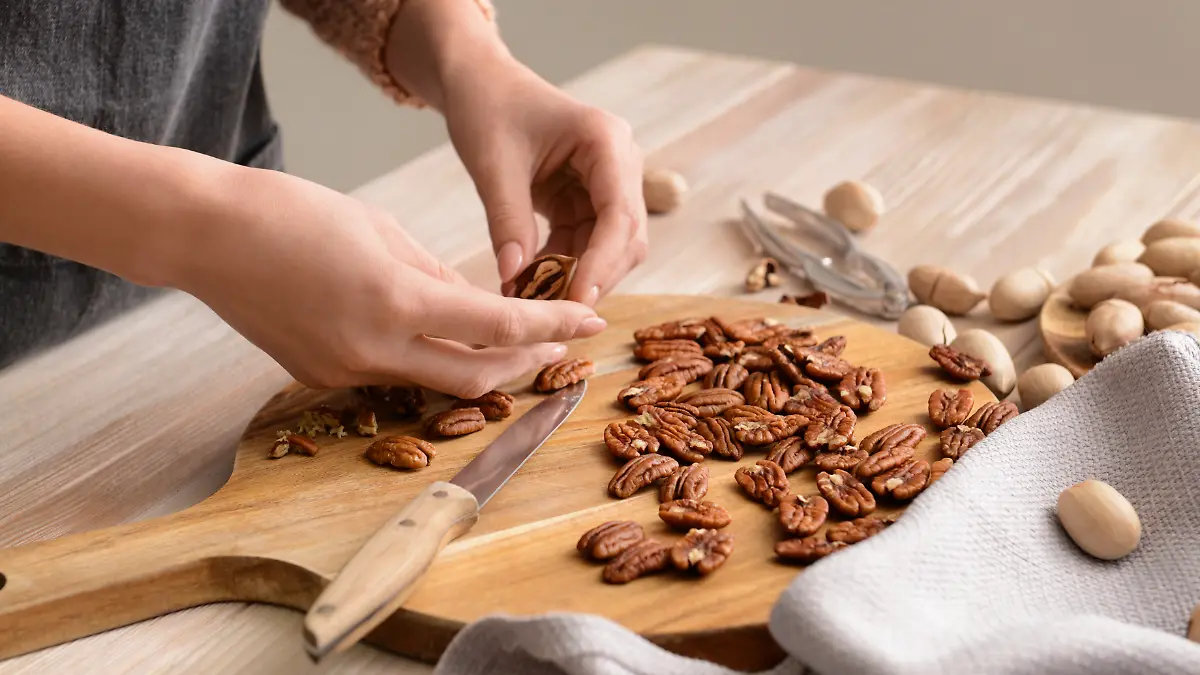
Not all nuts are the samePecan is the burner! Why you should eat pecans every day
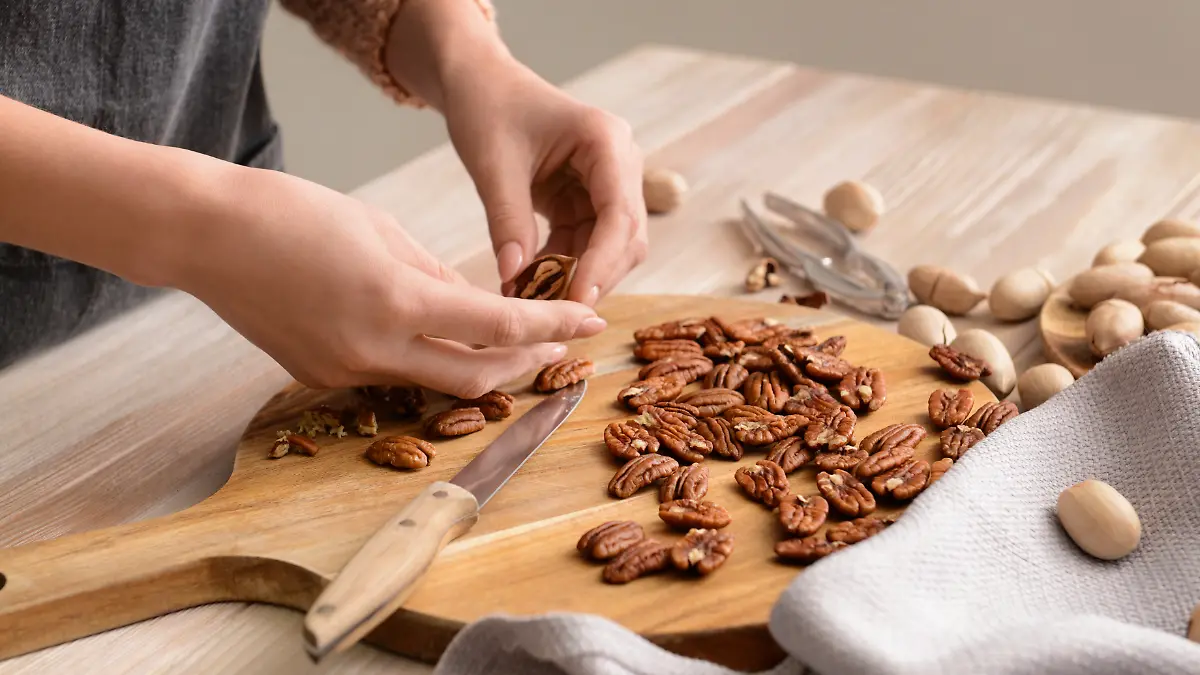
Researchers have discovered that pecans have a dramatic effect on health.
Adobe
We reveal what’s important!
We know that nuts are healthy. But did you also know that some varieties are even better for our health than others? American scientists have now found that pecans can even lower cholesterol levels if you eat them regularly. Or is the rumor true that pecans are poisonous in large quantities?
What happens when you replace unhealthy snacks with pecans?
For their study, researchers from the Department of Nutritional Sciences at Pennsylvania State University selected a total of 138 people. All of them had at least one of the criteria for the so-called metabolic syndrome (also known as the fatal quartet) – obesity, high blood pressure, sugar or lipid metabolism disorders.
As the scientists write in a publication in the American Journal of Clinical Nutrition, their goal was to find out how replacing common snacks with pecans affects vascular health, risk factors for diseases of the cardiovascular system and/or metabolic processes, and general diet quality.

After all, according to the scientists, snacks make up about 20 percent of the total daily energy intake and they often come with a high content of added sugar and saturated fatty acids along. Replacing nutrient-poor snacks with nutrient-rich alternatives could therefore be “a useful strategy to improve diet quality and reduce the risk of cardiometabolic diseases.”
Reading tip: Fight cravings! Ten foods that curb your appetite
Video tip: We test local superfood alternatives
Recommendations from our partners
Researchers discover connection between pecans and low cholesterol levels
First, the 138 test subjects were divided into two groups. For 12 weeks, half swapped their unhealthy snacks for 57 grams of pecans every day, while the other half stuck to their usual diet.
After this time it was found that in the pecan group not only the total cholesterol levels, but also the levels of LDL cholesterol and triglycerides fell more than in the comparison group.
Even if cholesterol Although it is important for numerous processes in the body, high cholesterol levels are considered a risk factor for cardiovascular diseases, for example. LDL cholesterol (low density lipoprotein) in particular is considered to be damaging to blood vessels and is therefore known as “bad cholesterol”. Triglycerides can help assess the risk of cardiovascular disease – low levels equal lower risk.
Nutrition expert reveals what is important
We also know that pecans are a little health secret weapon RTL nutrition expert Nora Rieder. “Pecans provide a lot of fiber and unsaturated fatty acids such as the healthy omega-3 fatty acids,” she explains the special features of this nut. And that is exactly what is responsible for the positive changes in cholesterol levels in the study mentioned.
However, the same applies to pecans as is often the case: quantity matters! Rieder warns not to consume more than a handful – around 30 grams – every day. Because “due to the high fat content of 72 percent with 690 kilocalories per 100 grams,” the nut also provides plenty of calories in addition to the healthy substances. “If we eat more, it can promote obesity,” says the nutrition expert. However, they are not poisonous even in large quantities.

By the way: According to Nora Rieder, you can just as easily use walnuts instead of pecans. These not only resemble the pecan in terms of appearance and taste, but also “impress with their high omega-3 fatty acid content”. Regular walnut consumption can also have a positive effect on blood lipids and thus the risk of cardiovascular diseases. The walnut is even considered the healthiest local nut!
Another advantage of walnuts: Since they grow in Germany, their ecological balance is better and the price is lower. Pecan trees grow in Australia, China, North America and South America, among other places. And before they land with us, they first have to be transported halfway around the world. This not only harms the environment, but is also reflected in the comparatively high price per 100 grams.