ruth901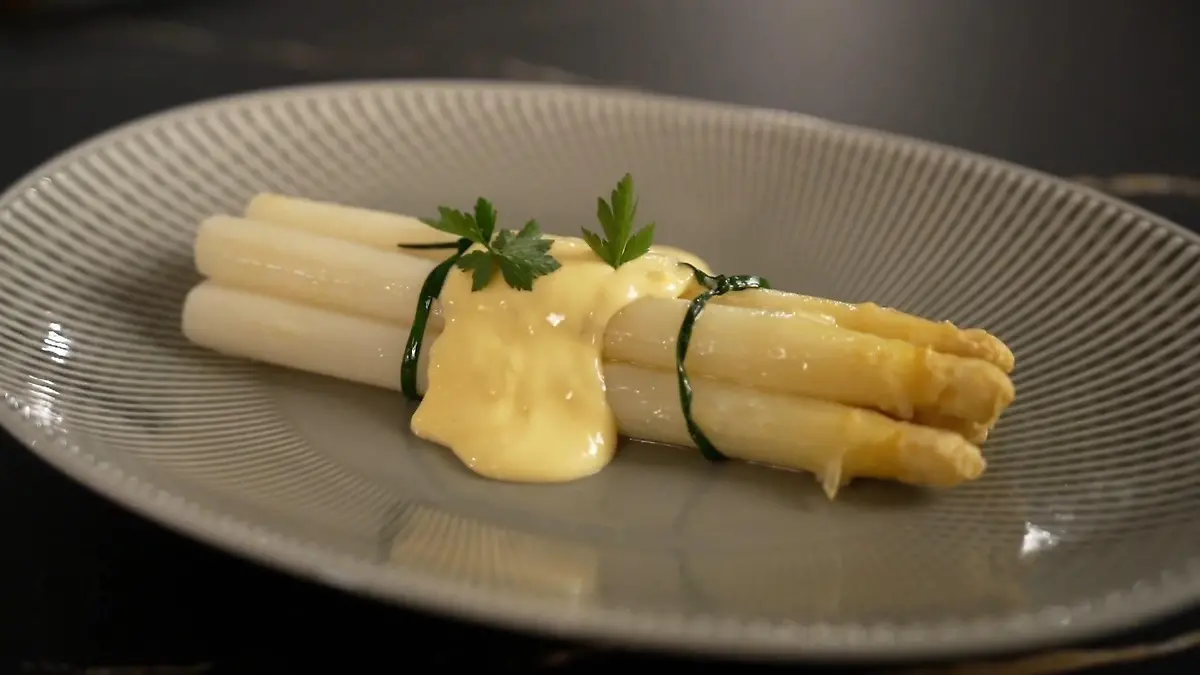
Top chef does the checkIt's a private label! This ready-made hollandaise is Nelson Müller's favorite
“Wow, completely different!”
The most important time of the year for many people is just beginning in German fields: asparagus season. For most people, this clearly requires one thing – a good portion of hollandaise sauce. But which one is really good?
Nelson Müller checks ready-made sauces
Top chef Nelson Müller takes a close look at four well-known products. Without knowing which brand is behind A, B, C or D, he evaluates based on appearance, ingredients and taste.
Reading tip: Peeling asparagus made easy: these tricks are the right way to do it
From the first impression he notices: “It should be as close as possible to the original.” He is particularly impressed with Sauce B. It appears airy, creamy – almost as if it had been freshly whipped. His first thought: “This is something high quality.” The surprise comes later.
Asparagus cultivation in Germany: This is how the “white gold” grows
While the test is running, asparagus farmer Christian Fuchs's fields are being harvested. Every single bar is engraved by hand. And that every day. “When it’s warm, asparagus grows five to six centimeters a day,” he explains. The company uses special films to control the temperatures in the soil – so the harvest is stretched over weeks.
Reading tip: Bet you've never eaten asparagus like this before?!
After harvesting, it goes straight into cooling. Ice water brings the asparagus to below four degrees. This is the only way it stays fresh and retains its typical color.
Recommendations from our partners
What's really in hollandaise?
Back in the test things get critical. The ingredient lists are long – around 15 ingredients on average. Actually too much for Nelson Müller.
“A classic hollandaise needs butter, egg, mustard and a little acid,” he says. The finished products, on the other hand, often contain more: thickeners, preservatives and flavor enhancers. One detail stands out. Only one sauce contains real butter. And that’s exactly what product B is again.

In the end, it's the taste that counts. And here it becomes clear. “Wow, completely different!” says Müller after tasting Sauce B. Clear mustard notes, pleasant acidity, good consistency. Clearly for him: “Really well made for a finished product.” Sauce C can also keep up, but the test winner is clear.
The cheapest sauce wins
The resolution amazes. The winner is the own brand “Ja!” from REWE – and therefore the cheapest product in the test.
“I wouldn’t have thought that,” admits Müller. The sauce costs just around 1.14 euros. His conclusion is clear.
Reading tip: Spring on your plate! This is how the asparagus spaghetti comes out of the pan
At the same time, his own cooking experiment shows that it is difficult to prepare fresh hollandaise for this price – especially because of the expensive butter. And so in the end one thing remains: sometimes the winner is at the bottom of the shelf. (yeah)
Sources used: own RTL research