ruth901
Map shows new risk areasAttention, TBE danger! There will be a tick alert in these areas in 2026
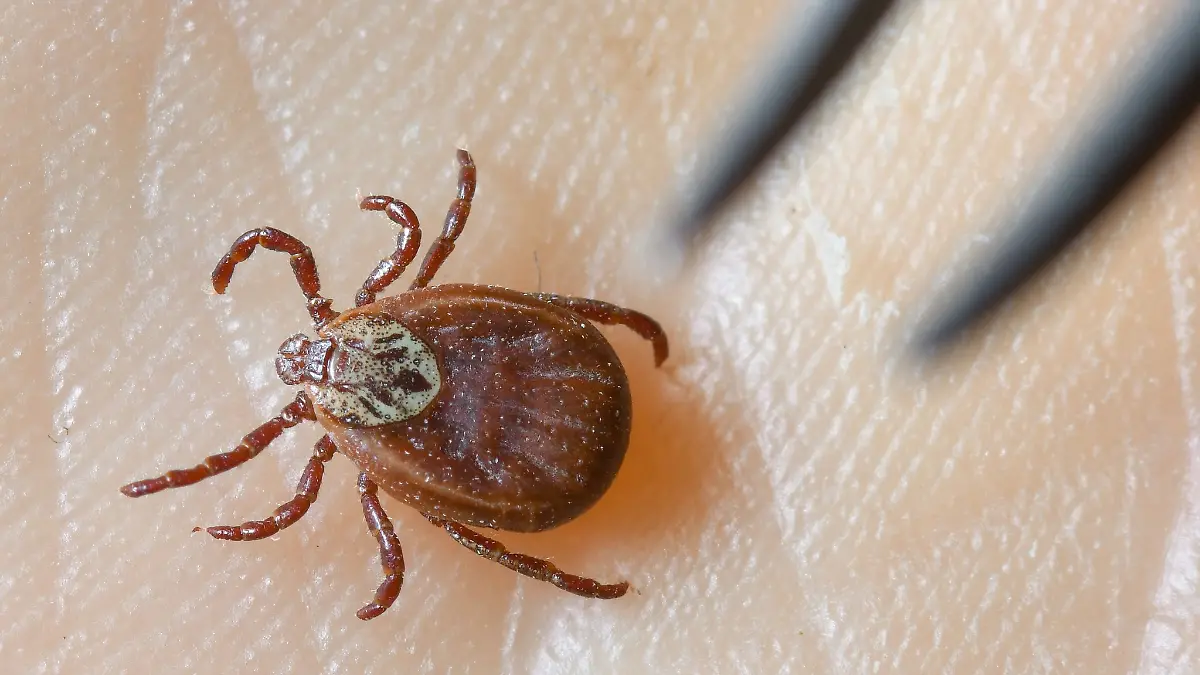
A bite from these small bloodsuckers can have serious consequences.
Patrick Pleul/dpa-Zentralbild/dpa
So small, so dangerous!
Ticks are not just annoying – they can also transmit nasty diseases, especially TBE, which can lead to meningitis. In Germany, more and more regions are being added where the risk of this is particularly high. You can see what they will be in 2026 here!
What is TBE?
TBE stands for the infectious disease Tick-borne encephalitis. A large proportion of infections occur without symptoms, but there is a risk of serious illness – especially in older people. In the first phase, flu-like symptoms often occur, such as headaches, body aches and fever. In a second phase, in the worst case, inflammation of the brain, meninges and/or spinal cord can follow.
The good news: TBE is a viral disease and there is a vaccination against it. The Standing Vaccination Commission (Stiko) recommends these to children and adults who are exposed to ticks in risk areas. The corresponding map is updated every year. The southeast and south of Germany are particularly affected. The following risk areas were added in 2026: the North Saxony district in Saxony and the Halle (Saale) urban district in Saxony-Anhalt. This means that a total of 185 districts in Germany are now affected. You can see what it looks like in your region here:
Reading tip: Remove ticks correctly: This is how it works!
In the video: Ticks, horseflies, grass mites – what bit me?
Advertisement:
Recommendations from our partners
The risk of TBE exists all year round
As tick expert Prof. (ret.) Dr. Jochen Süss explains that nowadays there is no longer just an increased risk of TBE in warmer months, but also all year round. The reason: Ticks become active as soon as the temperature is at least five to seven degrees Celsius on several consecutive days. Because of climate change and rising temperatures, even in winter, the spread of ticks is encouraged.
In 2025, the number of TBE diseases reported to the Robert Koch Institute (RKI) was 693. This is the third highest level since recording began. The number was highest so far in the Corona year 2020 with 718 illnesses.
Reading tip: Tick alert! The risk of infection in Germany has never been higher
This is how you protect yourself from ticks
You can't completely eliminate the risk of being bitten by a tick – but you can reduce it: avoid tall grass or undergrowth, wear closed shoes, long tops and trousers in nature, and even tuck your trousers into your socks. Use insect repellent on the skin and search your body thoroughly after the trip, especially areas such as the crooks of the arms and knees, the crotch and the stomach and chest area.
Reading tip: Winner at Stiftung Warentest: This spray works best against ticks and mosquitoes
Lyme disease is also a danger
In addition to TBE, ticks can also cause the pathogens Lyme disease transmitted, a disease caused by bacteria. According to the Robert Koch Institute, it is much more common and occurs throughout Germany.
The first symptom is often increasing redness around the injection site, also known as wandering redness. Complaints such as headaches, muscle and joint pain, fatigue and fever can occur. If the disease becomes chronic, a variety of symptoms can occur, such as neurological complaints such as nerve pain or paralysis, skin problems or psychological disorders.
Lyme disease can only be completely cured in the early stages, which is why early diagnosis and treatment with antibiotics is essential.
Sources used: Robert Koch Institute, Pfizer