ruth901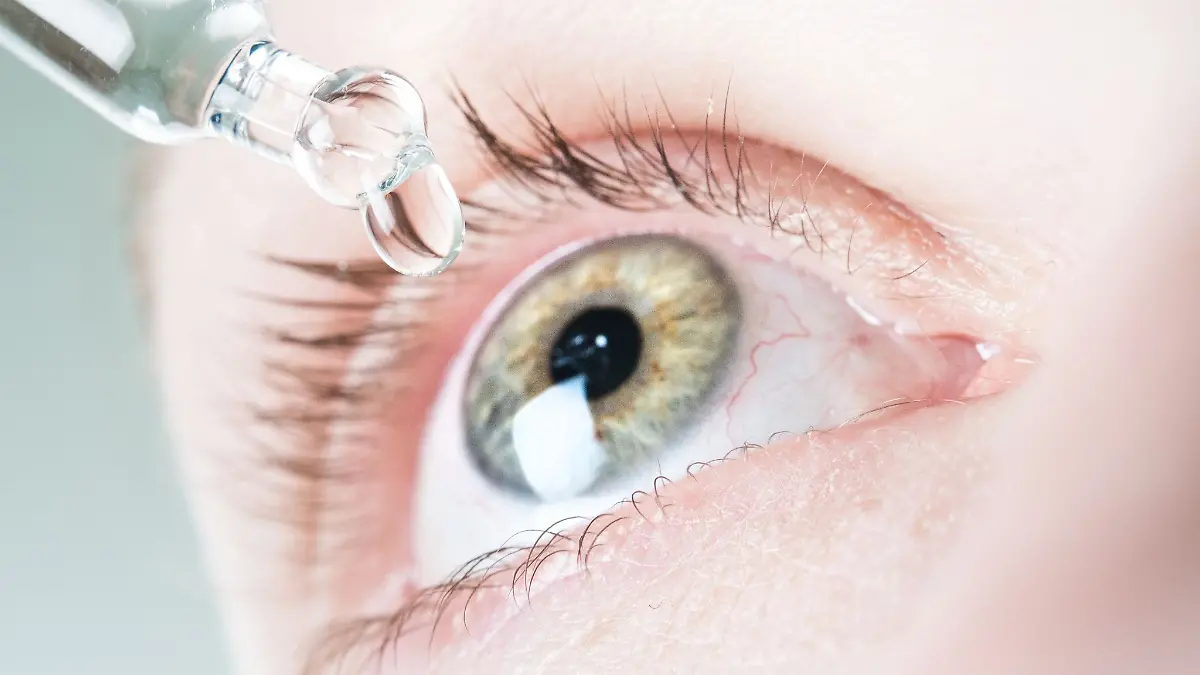
Breakthrough in eye medicine New eye drops instead of reading glasses: This treatment should provide clear vision for up to ten hours
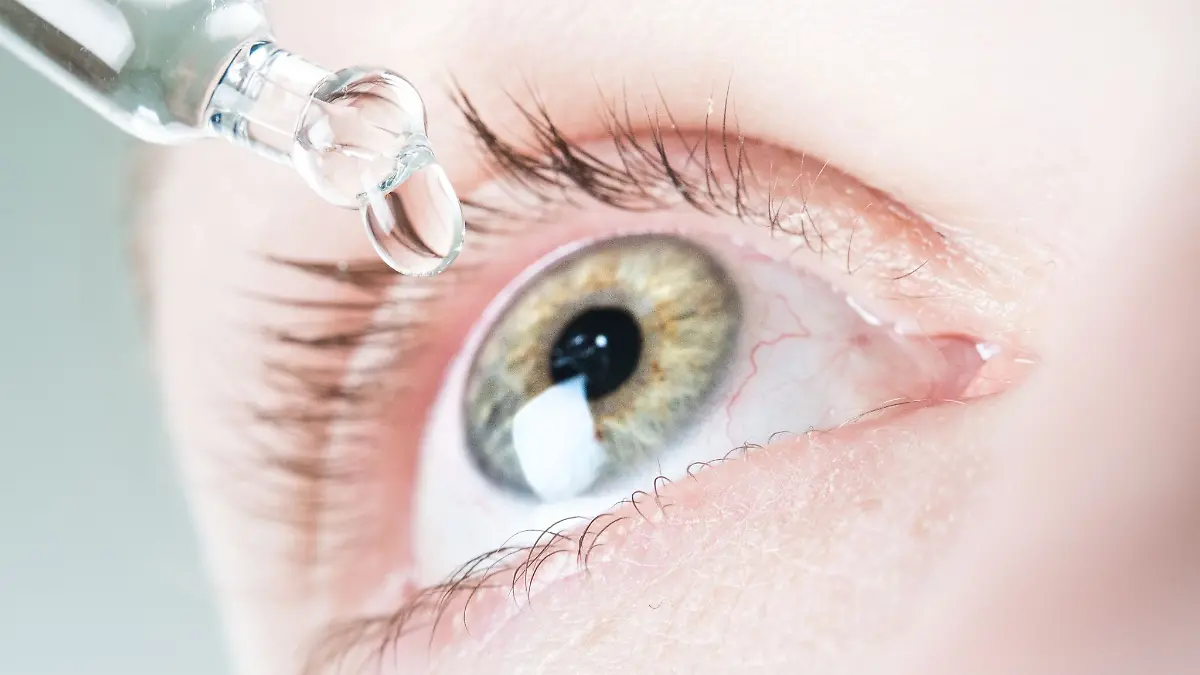
In order for eye drops to achieve their full effect, there are a few things to consider when using them.
Franziska Gabbert/dpa-tmn
Always misplace your reading glasses? These new eye drops could soon make the problem obsolete.
In the USA, VIZZ was the first treatment to be approved that specifically improves age-related visual impairment – with just one application per day and an effect lasting several hours.
This is how the new drops work
As we age, the lens of the eye loses flexibility and close vision becomes more difficult. This is exactly where VIZZ comes into play, but in a different way than previous methods.
The drops specifically constrict the pupil. This reduces scattered light and increases the depth of field. The result: Texts on the smartphone, books or menus appear significantly sharper.
Video tip: Woman had 23 contact lenses in her eye
Recommendations from our partners
The effect sets in quickly
According to clinical studies, the effects appear surprisingly quickly. Around 71 percent of users reported a noticeable improvement in their close-up vision within 30 minutes of use. For many people, the effect lasts up to ten hours – practically the entire day. A single application every day could be enough to get by without reading glasses in everyday life.
The age-related loss of the eye's ability to adjust for close distances – also known as presbyopia or age-sightedness – affects almost everyone over the age of around 45. In the USA alone, more than 128 million people suffer from this form of visual impairment. Millions of people in Germany are also affected by presbyopia.
Until now, reading glasses, progressive lenses or contact lenses were the only solution – often combined with constantly changing or carrying multiple visual aids.

Known active ingredient, newly used
The active ingredient aceclidine contained in VIZZ is already known in ophthalmology. What is new, however, is the targeted application to the iris instead of the lens.
A decisive advantage: distance vision remains unimpaired – a problem that often occurs with other treatments.
Reading tip: Severe pain, wrong diagnosis, almost blind!
Side effects and limitations
No serious side effects were observed in the studies. The most common reactions include only slight eye irritation, temporary redness and a short-term dimmed vision – symptoms that usually subside quickly.
However, experts point out that reading glasses cannot be completely replaced in every situation – they remain useful, especially when the font is very small or the lighting conditions are unfavorable. However, ophthalmologists see great potential in the new treatment.
Reading tip: Thanks to tooth in the eye! Tobias can see again
Given an increasingly aging population, the need for simple, non-invasive therapies is likely to continue to grow. For many sufferers, a daily drop could be exactly what they have been waiting for: clear vision – without reading glasses.
Sources used: Dailymail, Health information