ruth901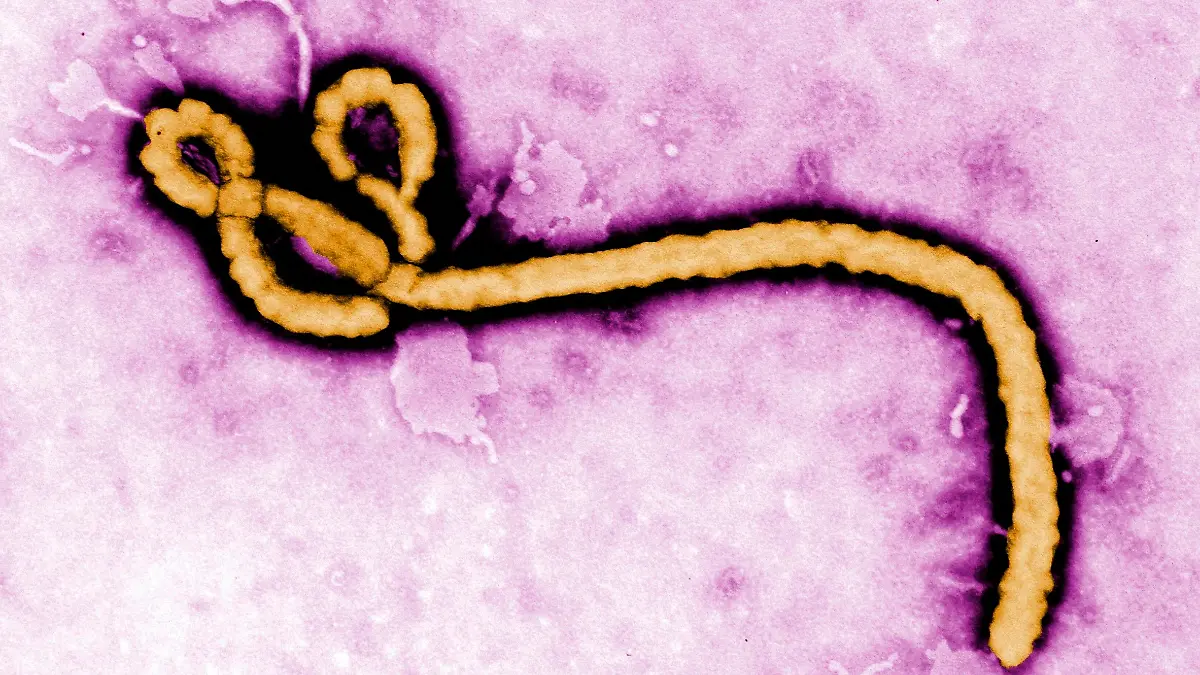
WHO sounds the alarmEbola is spreading: this is how dangerous the deadly virus is
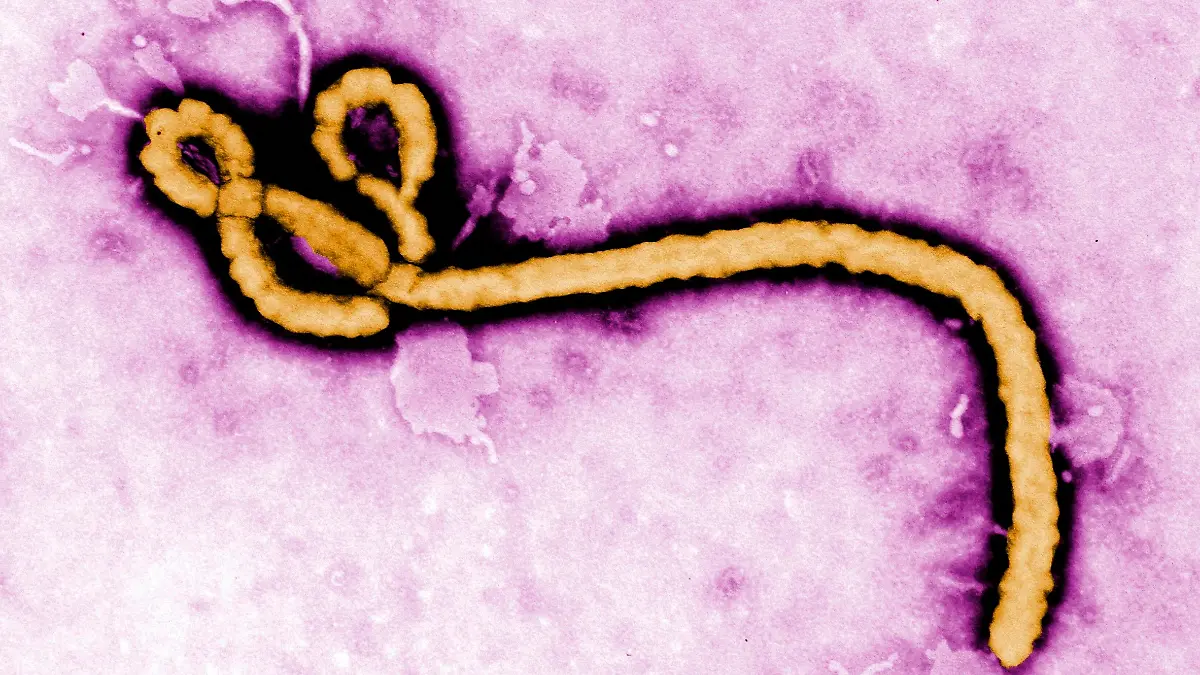
The WHO has convened an emergency committee following the Ebola outbreak in the Democratic Republic of Congo and Uganda.
JD, CDC via AP, Frederick Murphy
The WHO declares an international health emergency.
A rare Ebola variant is spreading in the Congo and Uganda, for which there is currently neither a vaccine nor a targeted therapy. But how dangerous is the virus really – and should we be worried in Germany?
Why Ebola is so dangerous
131 deaths, more than 500 suspected cases and great concern about further spread. The current Ebola epidemic in the east of the Democratic Republic of Congo is alarming international health authorities. Particularly explosive: The outbreak is triggered by the rare Bundibugyo variant – there is currently no approved vaccine against it.
The World Health Organization (WHO) has therefore declared an international health emergency. The fear of a spread is growing, even though experts are currently giving the all-clear for Germany.
Ebola is one of the deadliest infectious diseases in the world. The virus is transmitted through direct contact with the body fluids of infected people. These include, among other things, blood, vomit or saliva. For this reason, extremely strict protective measures apply in suspected cases.
Reading tip: Ebola outbreak in the live ticker: Stay up to date here!
The disease often begins inconspicuously. Experts compare the first symptoms to flu or a serious gastrointestinal illness. Fever, weakness, diarrhea and pain often appear first. Later, the condition of many patients worsens dramatically. In severe cases, organ failure and internal bleeding occur.
Virologist Florian Klein from the University of Cologne explains that Ebola is “usually transmitted through direct contact with people who are already sick or with their body fluids.”
This Ebola variant is of particular concern to experts
The current epidemic is caused by the so-called Bundibugyo variant. It is significantly rarer than the well-known Zaire strain, which killed thousands of people in the major West African outbreak in 2014 and 2015.
At that time, more than 11,000 people died. The mortality rate was sometimes up to 90 percent. For the current Bundibugyo strain, experts estimate the death rate to be around 30 to 50 percent. Nevertheless, the situation is serious. Unlike the Zaire virus, there is currently no effective vaccine.
Reading tip: Ebola in Germany! Deadly virus comes into the country
WHO representative Anne Ancia now explained that worldwide investigations are being carried out to see which vaccine candidates or medications could still potentially help.
Recommendations from our partners
Where does Ebola actually come from?
The virus owes its name to the Ebola river in the Democratic Republic of Congo. The disease was first discovered there in 1976. Even then, more than 70 percent of those infected died.
To date, it has not been finally clarified where the virus originally came from. However, scientists suspect that certain species of bats could be so-called reservoir hosts. This means: You carry the virus without becoming seriously ill yourself. Various species of monkeys are also suspected.
Do we have to worry in Germany?
According to experts, the risk for Europe is currently very low. Microbiologist Fabian Leendertz from the Helmholtz Institute considers major outbreaks in countries with good health systems to be “extremely unlikely”.
Federal Health Minister Nina Warken also currently sees no need for action. The risk for Germany is “extremely low”. She considers a global Ebola pandemic to be “almost impossible”.
The Robert Koch Institute also refers to the experiences from the major Ebola outbreak in 2014/2015. Despite international flight connections, only a few infected people reached Europe at the time.
However, individual cases cannot be completely ruled out. Experts emphasize that as the number of sick people increases, the risk of having to treat individual patients in Germany also increases. During the major outbreak in West Africa, three Ebola patients were cared for in specialized clinics in Germany.
Crisis area makes the fight against Ebola more difficult
The situation in eastern Congo is particularly problematic. There, armed conflicts and weak health systems make it extremely difficult to contain the virus. Medical staff are lacking in many places, as are protective clothing and infrastructure.
Added to this is mistrust of authorities and helpers. According to experts, some people turn to traditional healing methods instead. This is exactly what could further promote the rapid spread.
The WHO and African health authorities are now trying feverishly to contain the epidemic. Because without a vaccine, the fight against the dangerous Ebola virus will be significantly more difficult. (jve)
Sources used: dpa, Reuters, afp