ruth901
It will be expensiveHealth savings package decided! THIS is coming to us
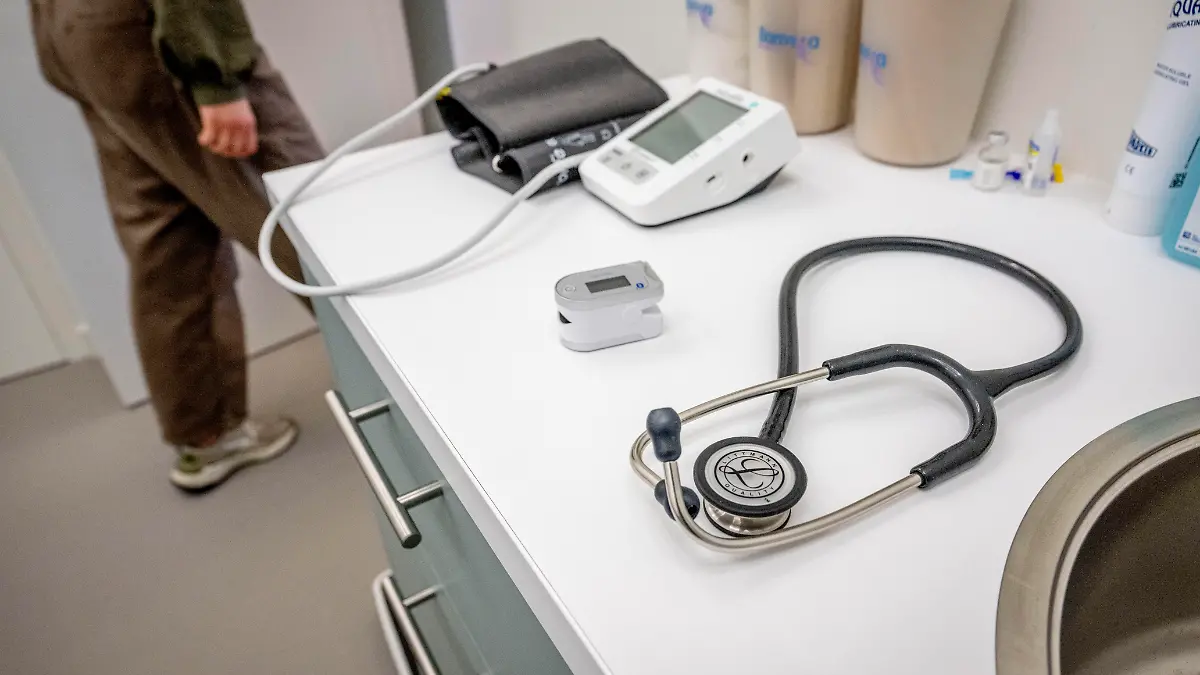
Patients have to be prepared for additional payments in the healthcare system.
picture alliance / ROBIN UTRECHT / Robin Utrecht
A lot is about to change!
Patients have to be prepared for higher co-payments and some compromises in order to prevent statutory health insurance premiums from increasing next year. The federal cabinet launched health minister Nina Warken's (CDU) legislative plans, which also provide for curbs on spending at practices, clinics and pharmaceutical manufacturers. Here is an overview of the key points.
What should be saved?
Warken now wants to reduce the burden on the coffers by 16.3 billion euros next year with the “Contribution Rate Stabilization Act”. This is more than the expected gap of 15.3 billion euros and is intended to prevent further increases in additional contributions. Initially, savings of 19.6 billion euros were planned. And the smaller buffer would then also be noticeable in the following years: The original aim was to be able to close the gaps by 2030, but this will no longer be achieved in 2029 and 2030.
Reading tip: Sugar tax on Cola & Co.? This would change the way we shop
The largest part of the relief in 2027, at 11.2 billion euros or around 69 percent, is expected to come from compensation limits and savings at practices, clinics and manufacturers. Patients are expected to contribute 2.5 billion euros or 15 percent – previously 3.8 billion euros or 19 percent were planned. Employers are expected to contribute 3.1 billion euros or 19 percent of the savings amount, and fund members 1.2 billion euros or 7 percent. The bottom line is that the federal government would not provide any relief in 2027, but would instead secure 1.8 billion euros for itself. From 2030 onwards, there will be slight relief from the federal government.
What’s next for insured people?
-
Co-payments of at least 5 and a maximum of 10 euros, which have been in effect for 22 years, are to be increased to 7.50 to 15 euros and then adjusted annually – for example for picking up prescribed medication from the pharmacy.
-
Homeopathic services should no longer be available at health insurance costs.
-
Skin cancer screening, which is possible every two years for all adults, even without symptoms, should be reviewed.
-
Fixed subsidies for dentures are to be reduced by 10 percentage points, but hardship rules remain.
-
In order to attract high earners more, the contribution assessment limit is to be increased by an additional 300 euros in 2027. The limit, which is increased annually anyway, is currently 5,812.50 euros. Contributions are due up to this monthly salary threshold, and no more for salaries above this.
-
Free co-insurance should be limited. It should remain for children, parents of children up to their seventh birthday and of children with disabilities as well as people with relatives in need of care and of normal retirement age. From 2028, other fund members with co-insured spouses should pay 2.5 percent of their income as a surcharge; 3.5 percent was initially planned.
-
An initially planned flat-rate reduction in sick pay, which you can receive after being sick for several weeks, is not supposed to happen now.
-
In order to avoid unnecessary operations, a second opinion from another doctor should be obtained before certain procedures – for example in the case of artificial knee joints.
-
In view of high levels of absenteeism from work, partial sick leave should be made possible for long-term illnesses if employees and employers want it – in increments of 25, 50 and 75 percent of weekly working hours.
Recommendations from our partners
What else is planned to reduce healthcare costs?
Increases in remuneration for doctors and clinics should be limited. Practices should cancel payments for certain services outside of general fee budgets. Pharmaceutical manufacturers should expect that medicines will increasingly be traded with discount agreements. A discount should also be increased at pharmacies. Among other things, administrative and advertising expenses should be limited at the cash registers.
There should be more tax money from the budget for the health costs of citizens' benefit recipients, who are generally insured by law – at least a little: initially 250 million euros for 2027, the amount should then increase year by year. The background is that the flat rate paid by the federal government does not cover the costs. According to the expert commission, this results in cash expenditure of twelve billion euros per year, which should be borne from the budget.
At the same time, the draft now also stipulates that the regular federal subsidy to the coffers of 14.5 billion euros annually for budget restructuring should be reduced – to 12.5 billion euros annually from 2027 to 2030.

New sugar tax on sweet drinks planned from 2028
A sugar levy on sweetened drinks such as lemonades and colas will also be introduced in 2028 – via a separate law. The additional income of 450 million euros per year should go to the statutory funds. Doctors and consumer advocates have long been calling for a surcharge as an incentive to help reduce obesity and diabetes. The Union faction still expressed reservations. “This will be a big discussion for us, it won’t just go through,” said budget expert Christian Haase (CDU) to Bild. (jgr, with dpa)
Sources used: dpa