ruth901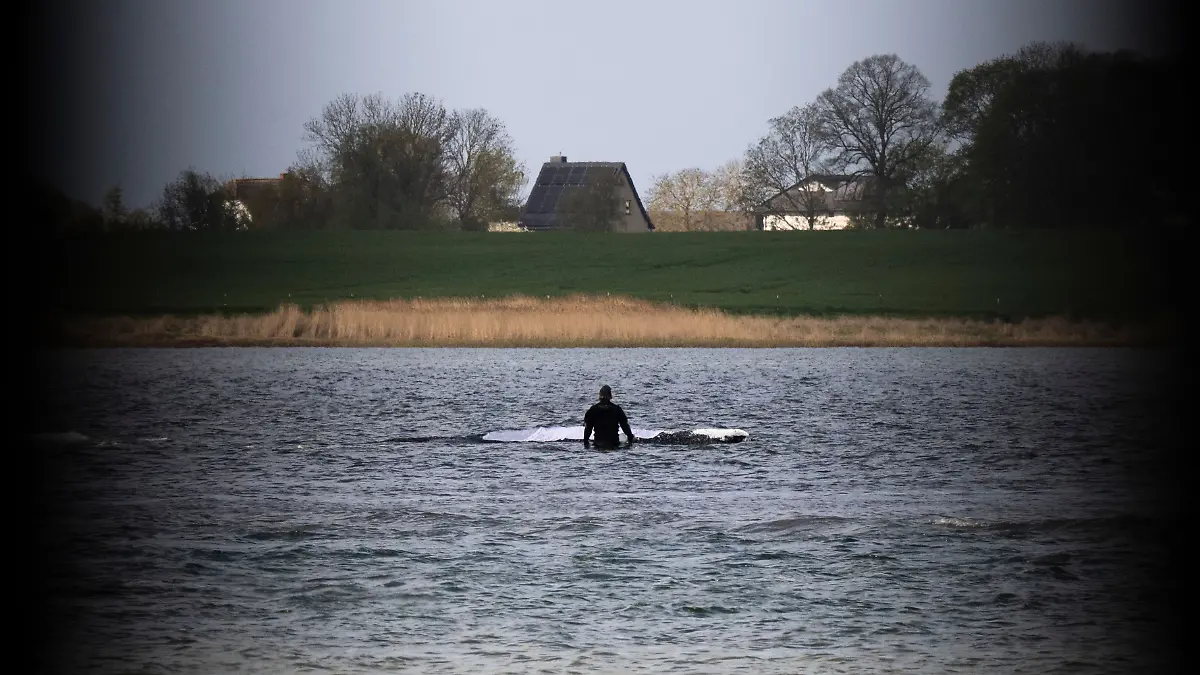
Hope in the Baltic SeaThe Timmy sensation! Experts beam: “He’s doing much better”
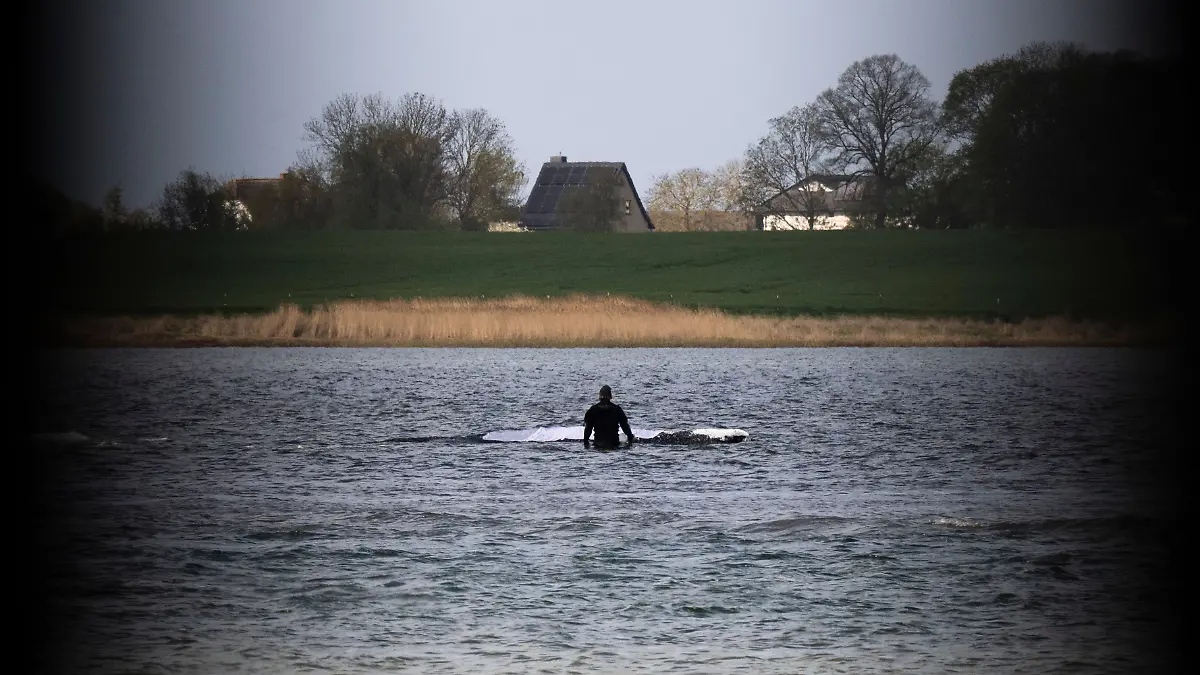
A helper stands in close proximity to the whale. The humpback whale, which stranded near Wismar about a month ago, is still stuck in shallow water. A private initiative has been trying to save the whale for days.
Philip Dulian/dpa
Timmy, hold on!
There is finally a real glimmer of hope for the whale stranded off the island of Poel (Mecklenburg-Western Pomerania). Veterinarian Dr. Kirsten Tönnies explained on RTL on Monday afternoon: “The experts were just happy to meet me. They say: Timmy is doing much better. He looks good. He's moving well. He looks much better. They're really happy right now.”
Veterinarian about the drama surrounding Timmy: “Jungle camp is nothing against it”
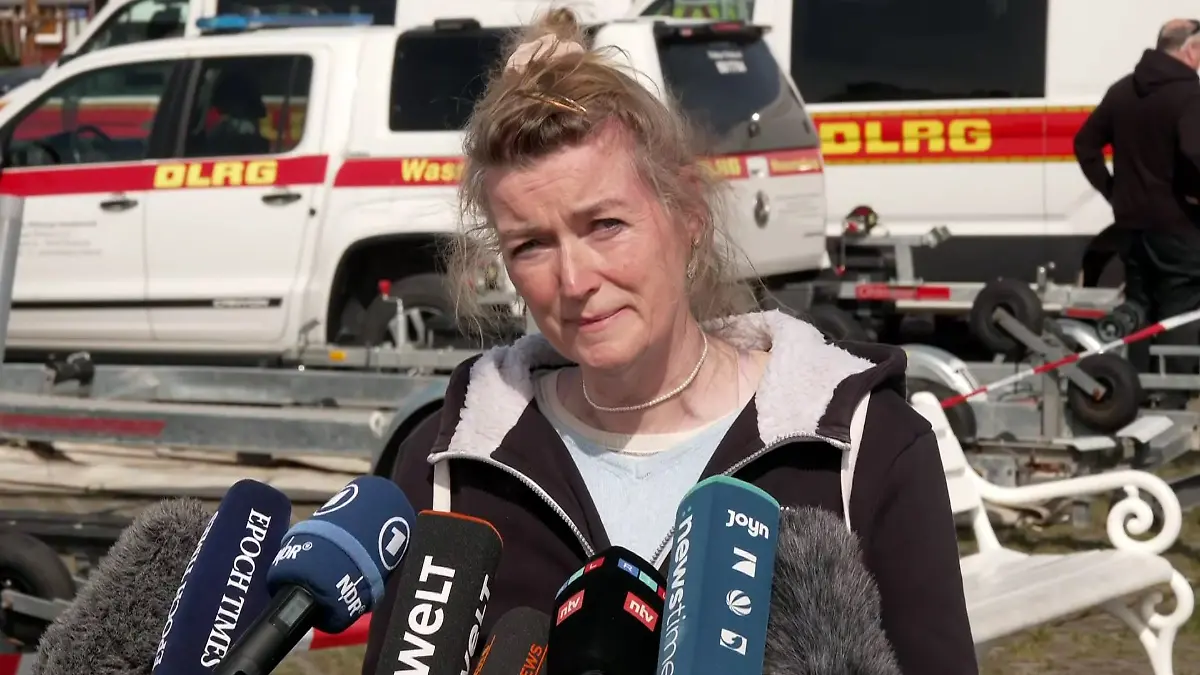
Veterinarian Dr. Kirsten Tönnies finally has good news about the condition of whale Timmy
RTL
You notice Dr. Tönnies expresses relief. The new assessment provides hope after the constant ups and downs and drama. The vet dryly: “The jungle camp is nothing against it.” And further: “Timmy is in a much better, livelier, more vital and more interested state than we believed in the last few hours.” Mobility and breathing have currently improved greatly.
Remarkable: Shortly before, the doctor had painted a contrasting picture. Apparently the rescuers were not coordinated with each other.
The fact is: Timmy's rescue with the cargo ship (more on that below) has to happen quickly either way. Kirsten Tönnies: “There's this constant pressure back there. Time, time, faster, faster!” The decisive rescue step for Timmy is already planned.
The cargo ship is supposed to bring whale Timmy to freedom: This is how he should be loaded
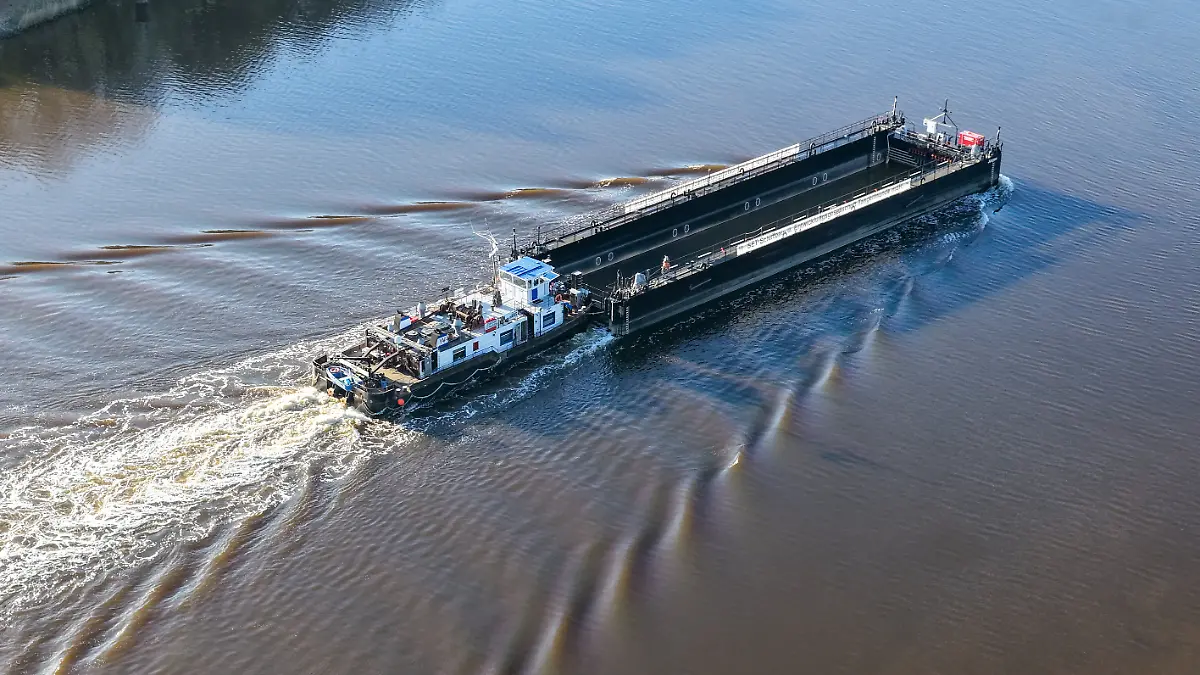
A barge pushed by the pushboat “Hans” is supposed to pick up Timmy and bring him to freedom.
picture alliance/dpa / Bodo Marks
A barge is on its way to the stranded whale. A ship pushes a kind of huge swimming pool in front of it. Timmy should be taken in there and driven to freedom. The barge is scheduled to arrive in Wismar on Monday afternoon.
According to current information, the whale will be taken into the barge (i.e. the swimming pool) on Tuesday and then transported alive along with the water towards the North Sea.
The technical manager of the private initiative for the transport of the animal, Felix Bohnsack, recently explained the concept for the transport: Such a barge would otherwise be used to transport ships. “The barge measures a total of 50 meters in length and 13 meters in width.” It has a loading capacity of 400 tons. The barge can be lowered and raised using water tanks in the sides. Inside, it offers space that is around 47 meters long and around eleven meters wide. “The barge has a total loading depth of four meters.”
It should be brought to the whale through a previously created channel with the loading opening. A tarpaulin held by a net should be placed under the whale. “First a U forms around the whale, so that it can't really turn to the right or left anymore. And then we pull the front up once so that a kind of lip forms.” This is supposed to prevent the whale from swimming forward.
Recommendations from our partners
Three and a half days to northern Denmark
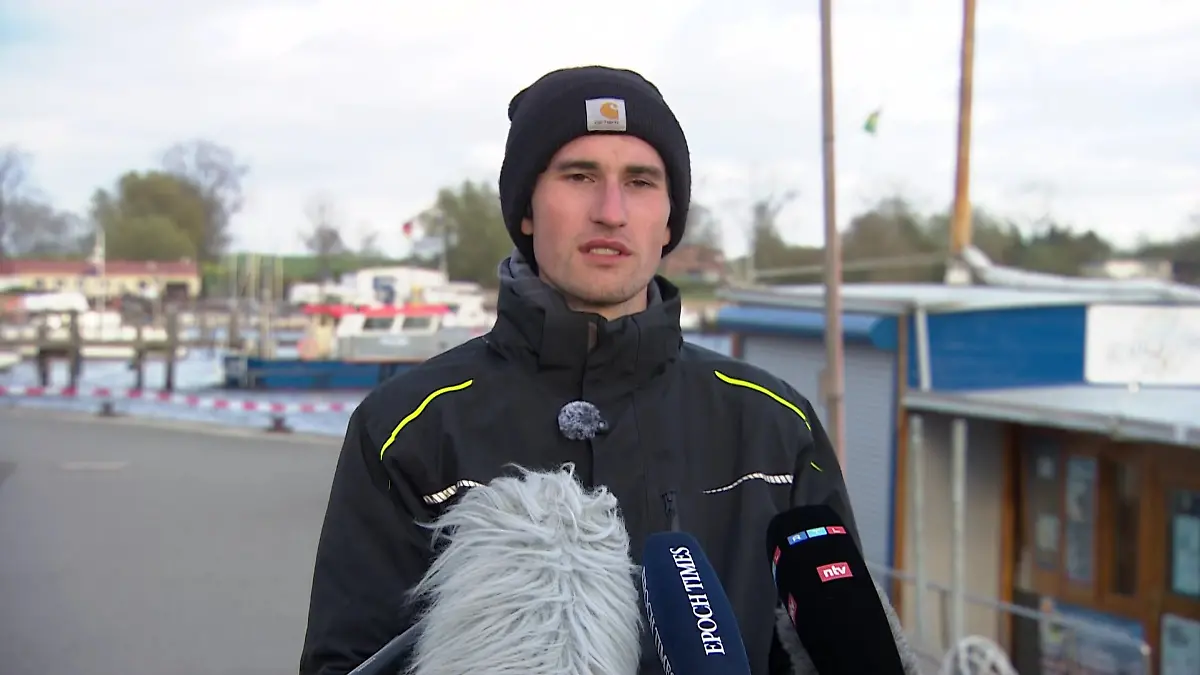
Felix Bohnsack is the technical manager of the whale Timmy rescue operation
RTL
Timmy should then be loaded backwards into the barge or “floated in,” as Bohnsack said – “and this is controlled with the net tarpaulin.” He should then be able to swim forward again later. The loading opening should remain open and only be secured with a special net. This is very close-knit so that the animal does not get injured, says Bohnsack. On the one hand, it must be guaranteed that the animal can be released quickly in an emergency. “And it is also important that there is always a constant, healthy exchange of water for the animal so that it is not floating in the same water that we invited it here with,” explained Bohnsack.
Pulled by a ship, the barge and the whale will pass through Fehmarn and be taken to Skagen, the entrance to the North Sea. Three and a half days are planned for this. “Then we will ultimately assess the animal’s condition again and see how the journey survived.” Bohnsack himself will accompany the animal on the journey. According to the plan, veterinarians and whale experts should also go along.
Sources used: RTL, dpa