ruth901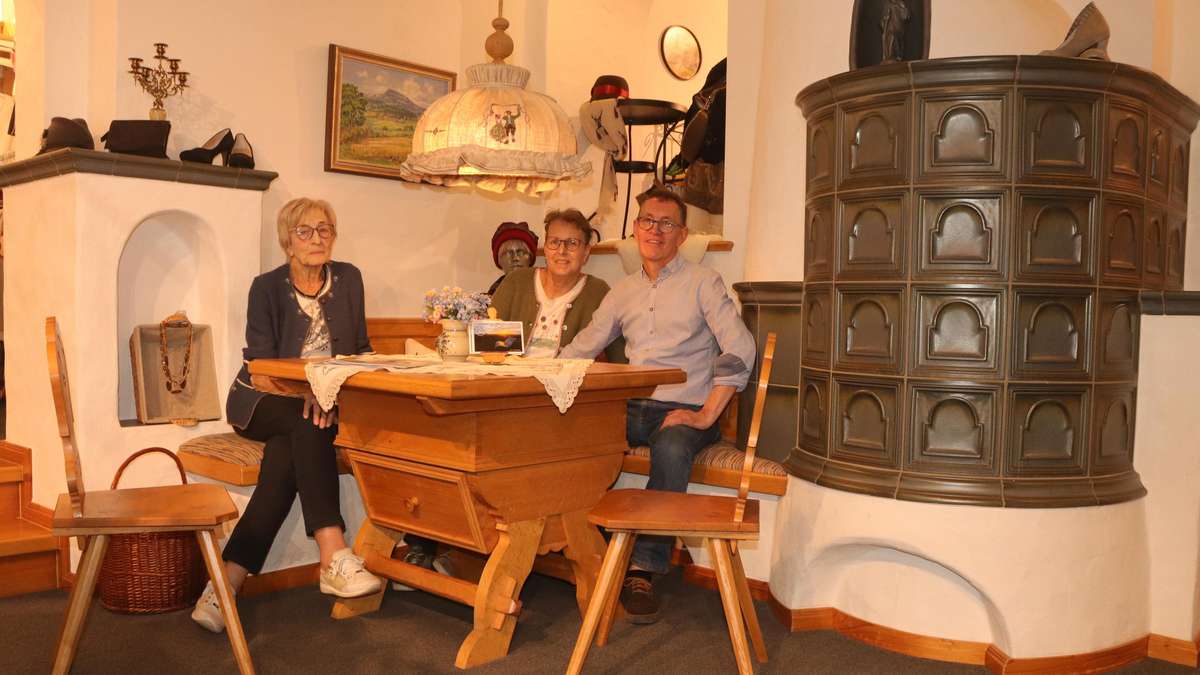

In Hilders in the Rhön, the traditional costume boutique Kümpel is closing after almost seven decades. The closure leaves a gap in the Fulda region.
Hilders – In the shop windows of the traditional costume boutique Kümpel, which owner Kirsten Kümpel-Diegelmann lovingly designed for decades, there are signs that read “Sale”. At the end of the month, the 62-year-old is closing the traditional shop in Hilders for health reasons – a fixture in the region with a large selection of traditional-style clothing.
She and her husband Gerd Diegelmann are the second generation to run the business, which was founded in 1959 as “Strickerei Kümpel” by Gerhard Kümpel. “I always enjoyed working here,” says Gerd Diegelmann. The wiry 70-year-old emphasizes that traditional fashion is anything but old-fashioned.
End of an era: traditional costume fashion Kümpel in the Rhön closes
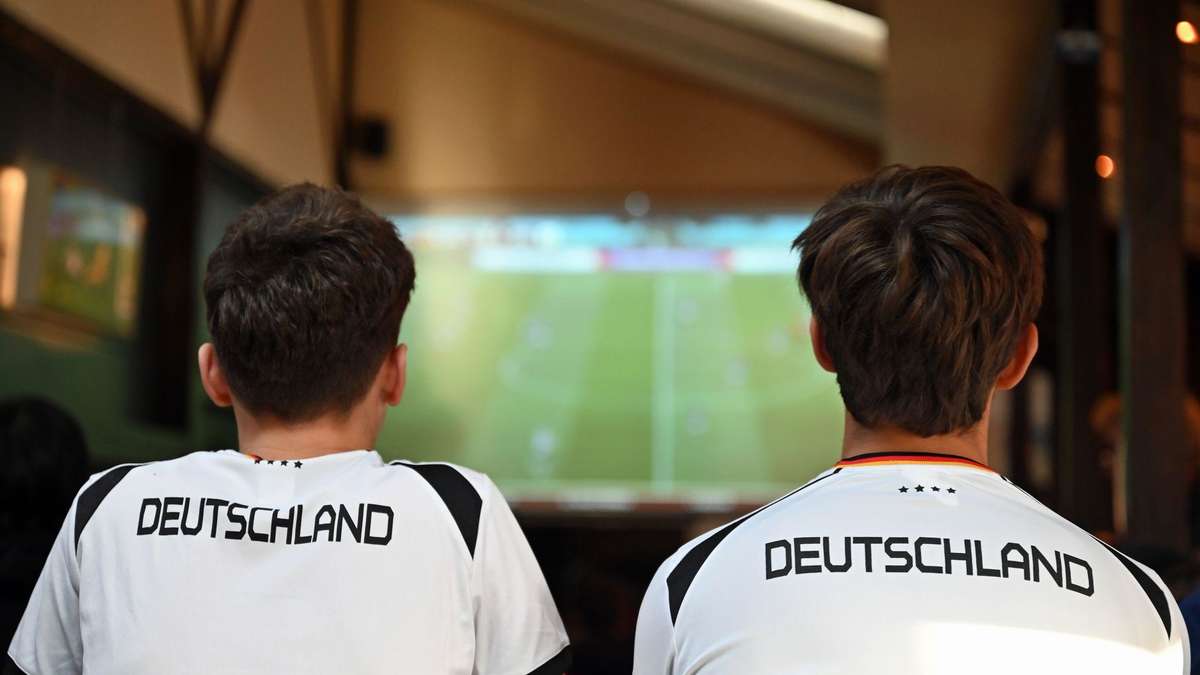
He shows his best-selling cardigan: a sporty model made from 50 percent sheep's wool. The style has constantly developed: “The classic knee breeches have been replaced by short leather trousers. They are worn with a motif T-shirt or by fans with a Bayern jersey instead of a checked shirt.”
“The Kümpel traditional costume boutique is known and popular as a specialist shop far beyond the borders of Hilders,” says Mayor Ronny Günkel (independent), who regrets the closure. The customers included traditional costume bands and fair companies from the entire Fulda district.

But individual customers who travel to Hilders every time the season changes for the new collection, mostly from the neighboring districts of all three neighboring federal states, are also among the customers. Holidaymakers were also among the regular customers, “even guests from Munich who preferred shopping here rather than at home,” reports Diegelmann.
He also dressed several wedding parties when the bride and groom got married in traditional costumes. “Around 2011, Oktoberfest euphoria began and spread across the entire country,” the seller remembers. The Parzeller publishing house also organized the “Fuldaer Wiesn” every year from 2012 until Corona.
The Oktoberfest boy was outfitted by the traditional costume boutique Kümpel. In the fall, the store was often so full that there were no changing rooms. Gerd Diegelmann developed a system for cabins that can be installed or removed as needed.
Drinking coffee with the employees every day
The special charm of the boutique is closely linked to the people who work there. Marianne Kümpel describes her daughter's talent for finding parts from different manufacturers at trade fairs in Munich, Düsseldorf and Salzburg and then combining them creatively.
The trained decorator also contributed wholeheartedly as a saleswoman. Since then coronaDuring the pandemic, another employee supported the family. According to their own statements, the owners never wanted to force anything on their customers. On the contrary: “I only sold something if it was right,” says Gerd Diegelmann.
He represented this claim with all consistency. He once told a customer who was already on his way to Oktoberfest with his car packed: “You can get ill-fitting lederhosen everywhere on the way to Munich, but not from me.” But the man was obviously blessed with the same Rhön stubbornness.
He then bought the pants he wanted from another customer in front of the store, says Diegelmann. The many beautiful memories from the store's 67 years of history include numerous fashion shows and daily coffee drinks with the employees. Fashion representatives from Austria even brought cake to take part in the ritual.
Owners remember brazen thefts
The thefts, which only decreased when video surveillance was installed, were less pleasant. A particularly bold case occurred back in the days of the D-Mark: a lady tried on a high-quality, brand-new leather costume and left the store with it in an unobserved moment. With a smile, Diegelmann and his wife think about another customer who called because she had accidentally left her new dirndl bra on.
She then paid this by bank transfer. When customers secretly compared his items with prices on the Internet, he was happy, says Diegelmann. Because he consciously made sure to sell cheaper than the online shops. “We were able to afford that because we didn’t have to pay rent.”
“And the customers also saved postage and had the advice included.” There is a discount on the entire range during the sale, which runs on Thursdays, Fridays and Saturdays until June 30th. A subsequent use of the premises, which offer a sales area of 200 square meters, is currently open. (by Sandra Limpert)