ruth901
Own brands on record courseCustomers punish brands: Why more and more Germans are turning to cheap products
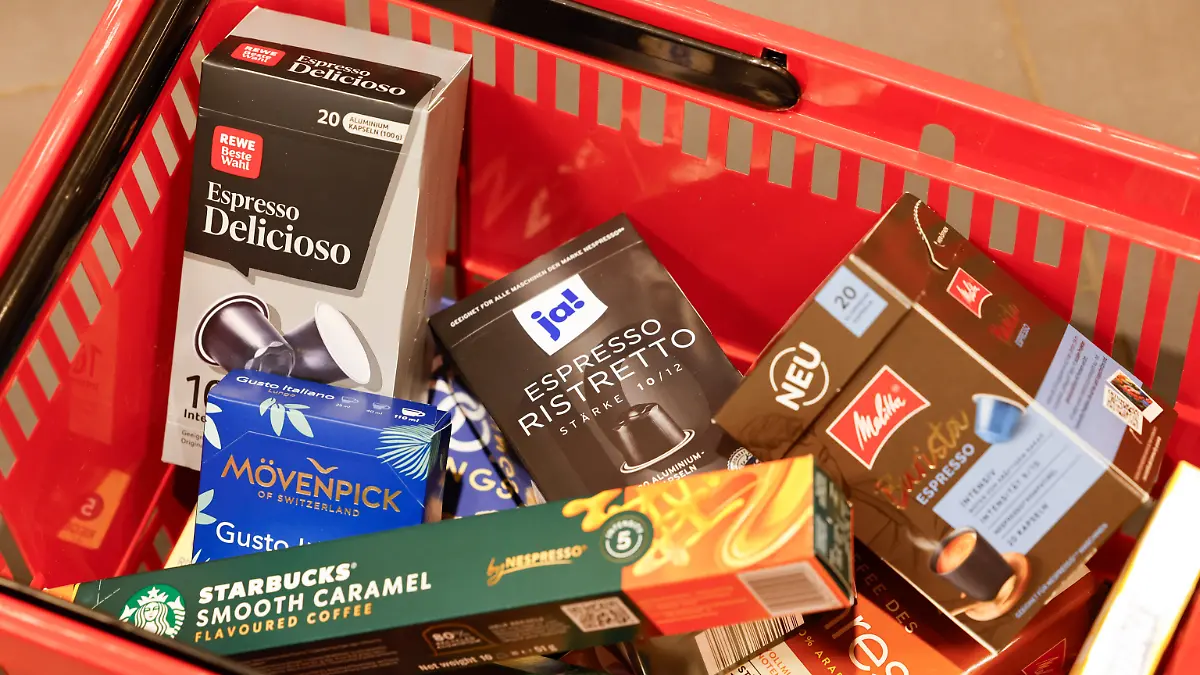
More and more consumers are turning to cheaper own brands. Branded products often only end up in the shopping cart when they are on sale.
Thomas Banneyer/dpa
Bitter – and cheaper – billing at the checkout.
Whether cola, chocolate or coffee: many Germans now prefer to use cheaper own brands from supermarkets. The more expensive branded products are losing more and more buyers. Inflation has opened wounds. This is becoming a real problem for many well-known manufacturers.
Brands are losing their most important asset: trust
For years, big brands were considered a guarantee of quality. But this image is starting to crack. Many consumers feel that the price increases in recent years have been excessive. At the same time, cheaper alternatives are becoming increasingly popular. “The big manufacturer brands have become more interchangeable”writes market researcher Robert Kecskes in a current YouGov report.
Reading tip: What good are cheaper drugstore alternatives from discount stores?
The boundaries are blurring, especially with younger customers. Many now see private labels on a par with well-known manufacturers. Brands like Balea, Isana or dm Bio are already perceived by many consumers as classic brands. The result: If customers no longer recognize a difference in quality, the price is ultimately the deciding factor.
Record value in the supermarket: almost every second product is own brand
The numbers show how much shopping behavior has changed. According to YouGov, between 2021 and 2025 the market share of own brands will increase from 41 to 47 percent, higher than ever before. Private label brands are growing particularly strongly in butter, oils, coffee and chocolate. Many consumers see a better price-performance ratio than with more expensive branded products.

At the same time, many customers only buy well-known brands on special offers. Almost a third of sales of branded goods are now achieved through discount campaigns. “Without the promotion, shoppers would no longer stay engaged,” writes Kecskes in the YouGov report.
Recommendations from our partners
Video tip: Own brands vs. branded products in the test
The brand trap: More expensive, smaller – and increasingly less popular
The example of Milka shows how great the loss of trust has become. In 2025, the chocolate manufacturer Mondelez will reduce the packaging of many varieties and at the same time increase the prices. The Hamburg consumer advice center sues for misleading people – and is right. For marketing expert Andreas Baetzgen, the damage is enormous. Milka lived on trust and emotional closeness for decades. This trust was exploited.
Reading tip: 90 g instead of 100 g! Milka board is misleading
Rewe boss Lionel Souque also makes it clear what will be important in the future. Already in 2024 he says: “People aren’t willing to pay double just because of the brand.” Experts therefore see a need for action. Many manufacturers neglected their brand management and invested too little in innovations. “Companies that do not innovate successfully lose their ability to survive in the long term,” says a study led by the Baden-Württemberg Heilbronn Cooperative State University.
Only a few brands remain untouchable
However, big brands will not disappear from the shelves completely. Many customers still don't want to go without products like Nutella, Coca-Cola or Red Bull. But the message from consumers is clear: Anyone who charges higher prices must also offer real added value. Otherwise, the cheaper alternative will increasingly end up in the shopping cart. (nha)
Sources used: dpa