ruth901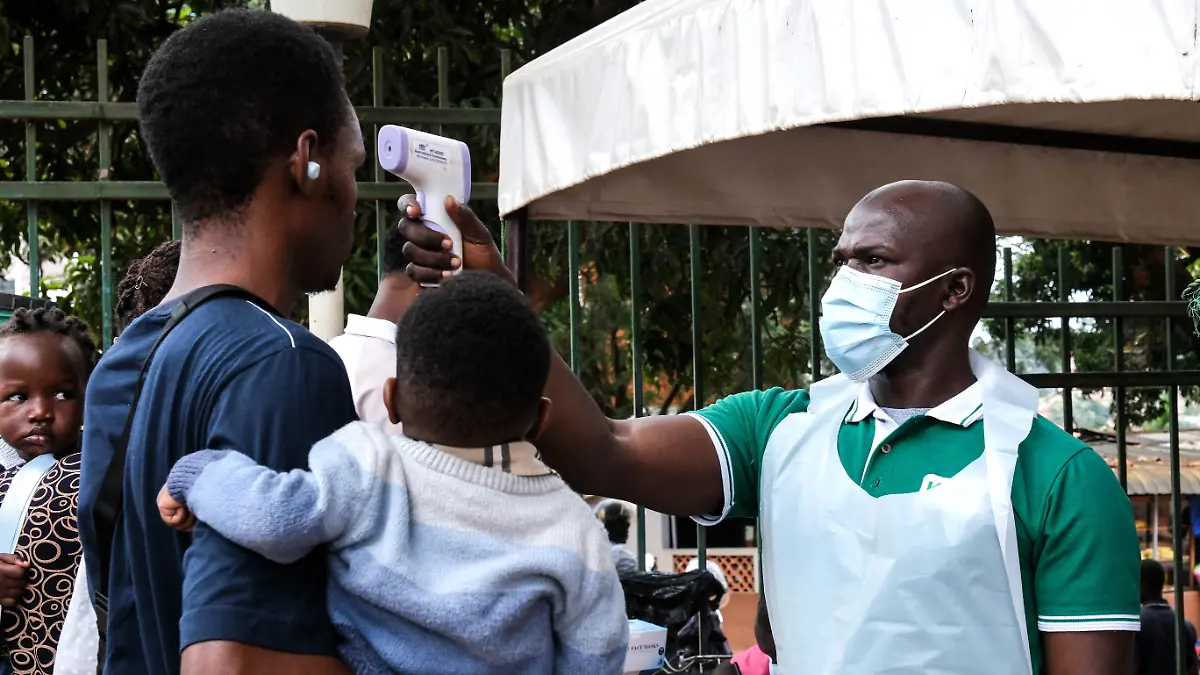
Outbreak in Congo WHO declares an international health emergency due to Ebola! What does this mean for us?
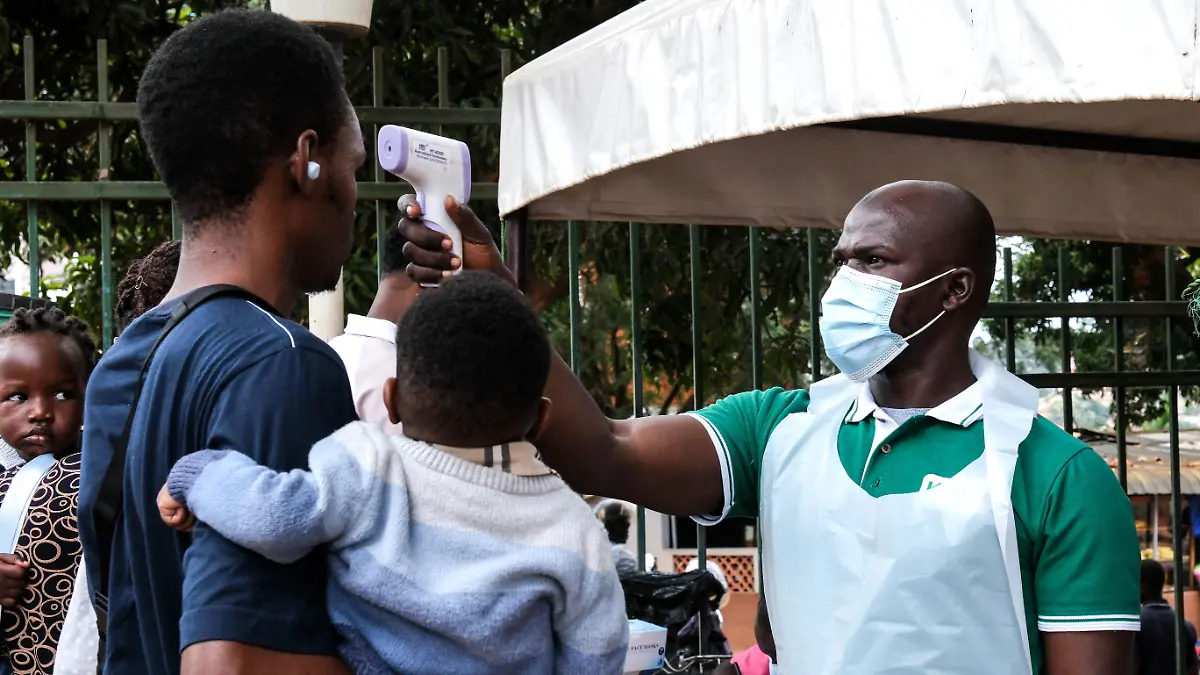
The World Health Organization (WHO) has declared an international public health emergency due to the Ebola outbreak in the Democratic Republic of Congo and Uganda.
picture alliance/dpa/AP / Hajarah Nalwadda
Do we have to worry now too?
The World Health Organization (WHO) has declared an international public health emergency due to an Ebola outbreak in the Democratic Republic of Congo and Uganda. A rare virus variant for which there is no vaccine is responsible. The risk of spread for the entire region is considered high.
How unusual and critical is the Ebola outbreak?
There have been 17 Ebola outbreaks in the Democratic Republic of Congo over the past 50 years. According to the African health authority Africa CDC, this was mainly the most common Zaire Ebola virus, for which a vaccine was developed. According to the Africa CDC, the rare Bundibugyo variant has broken out for only the third time. The Bundibugyo strain first appeared in Uganda in 2007, then in Congo in 2012. Due to its rarity, there is no approved vaccine or therapy for this variant, according to the WHO.
Reading tip: Dangerous Ebola variant is raging in Congo – no vaccine!
However, according to the US National Institutes of Health (NIH), the Bundibugyo variant has a lower mortality rate of around 37 percent. In the Zaire tribe this is up to 90 percent.
What are the living conditions in the region?
Maximilian Gertler from the Berlin Charité spoke on Deutschlandfunk this morning of a “disease of poverty”. The cause of this epidemic is the “miserable living conditions of the people who live there”. Several factors played a role: “It's the fear of violence in the region, it's the poverty, it's the absence of effective health care, which you also have to pay for yourself,” said the specialist in internal medicine, emergency medicine, tropical medicine and epidemiology. There is also a lack of clean drinking water and trust in authorities who provide information about the virus.
Recommendations from our partners
What does the WHO international health emergency mean?
The high alert level triggers mechanisms intended for such cases, such as global coordination of countermeasures and international resource mobilization. Among other things, the WHO is providing around 430,000 euros for emergency measures. It describes the eruption as an “extraordinary event” and warns that it could be larger than previously known.
Congo's ten neighboring countries have so far been officially warned. These include Uganda and South Sudan, which directly border the Congolese province of Ituri, where the outbreak originated. However, the WHO made it clear that this was not a pandemic alarm. “The outbreak does not meet the criteria for a pandemic emergency, but neighboring countries are at high risk of further spread,” said WHO Director-General Tedros Adhanom Ghebreyesus.
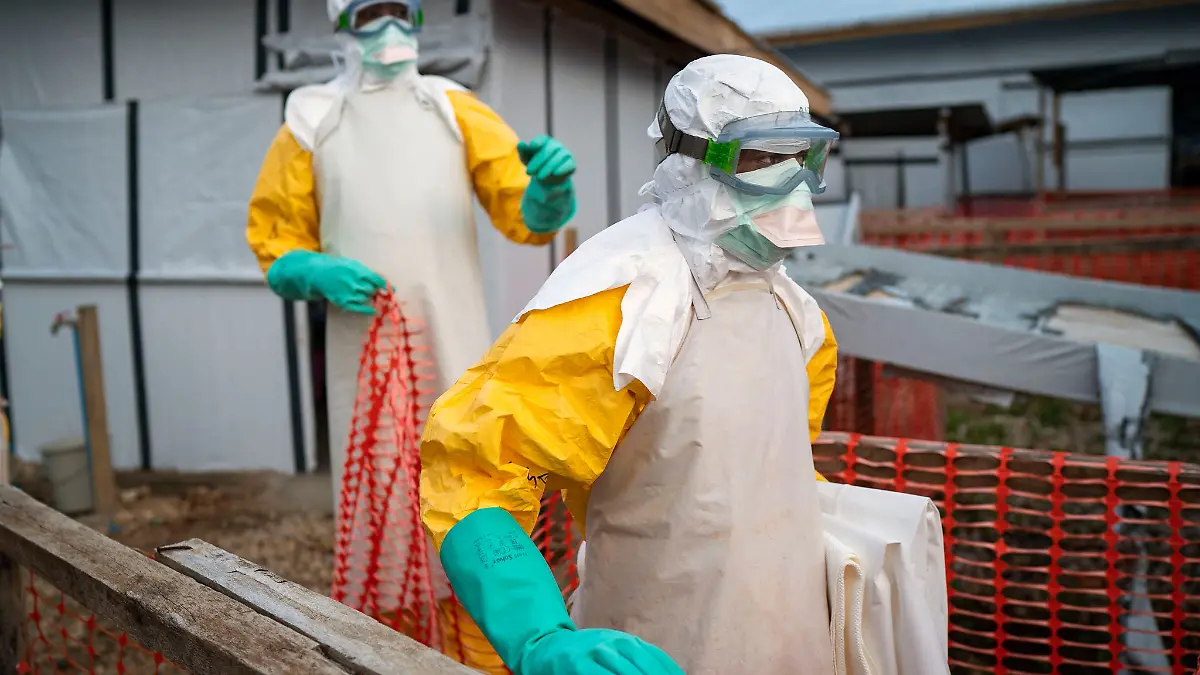
The current outbreak is focusing on a rare variant.
Jerome Delay/AP/dpa
Do we also have to worry in Germany?
Federal Health Minister Nina Warken currently sees no need for action in Germany regarding Ebola. In the Federal Republic the risk “is to be assessed as extremely low,” said the CDU politician in the ARD “Report from Berlin”. “There is currently no need for precautions in the country.” She considers a global Ebola pandemic to be “almost impossible”.
Ebola is only transmitted through direct contact with the body fluids of sick people – an unnoticed spread in Europe, as is the case with respiratory diseases, is therefore unlikely.
According to the Robert Koch Institute (RKI), the largest Ebola fever outbreak to date in West Africa in 2014/2015 showed that the risk of spreading to Germany is very low even if major African cities with international flight connections are affected by an outbreak. Only a few infected people left the affected countries by plane. Further spread in Germany would also be unlikely because chains of infection in Germany could be broken more quickly and those affected could be cared for safely, as the RKI writes on its website (as of March 2025).

The Foreign Office warns against traveling to the region
Nevertheless, there are factors that need to be closely monitored. Without an available vaccine, containing the Bundibugyo variant is difficult. According to the Africa CDC, a patient who died in Uganda's capital Kampala had traveled from Congo by public transport. “The case shows how quickly the virus can cross borders,” warned Africa CDC Director Jean Kaseya.
The Foreign Office warns against traveling to the affected Ituri province and surrounding regions. It advises against non-essential travel to the other parts of the Congo, including the capital Kinshasa. (jgr, with dpa)
Sources used: dpa