ruth901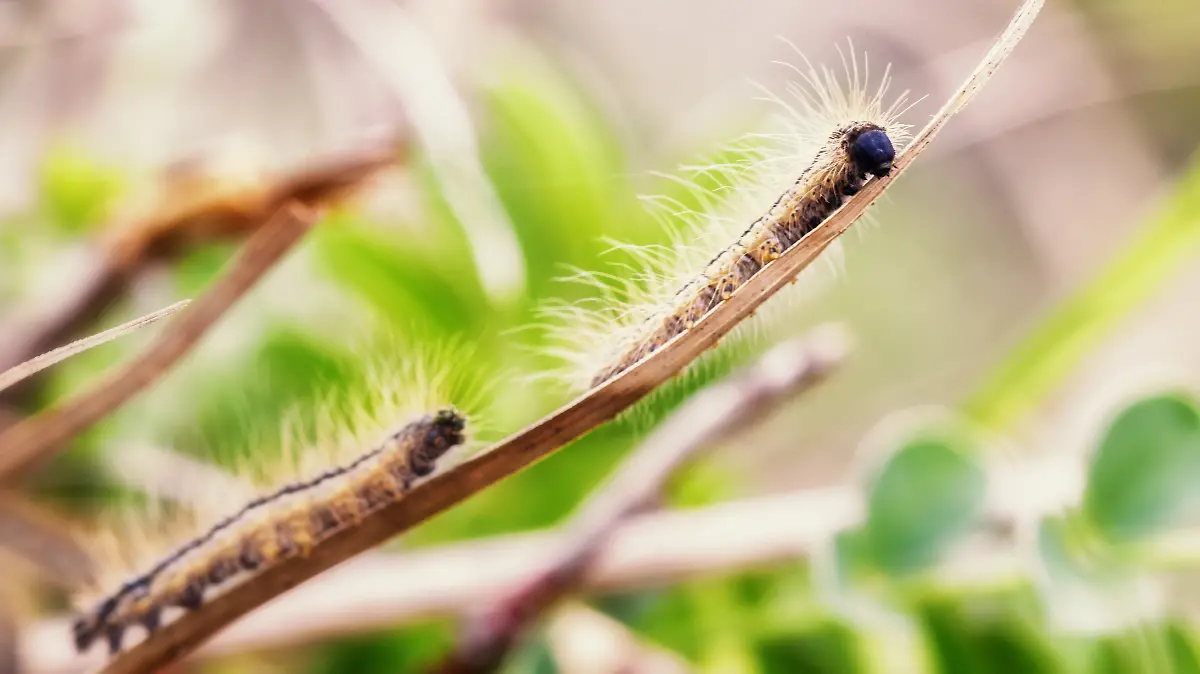
Danger to life from pine and oak processionary mothsIf you have these symptoms, you should take your dog to the vet immediately
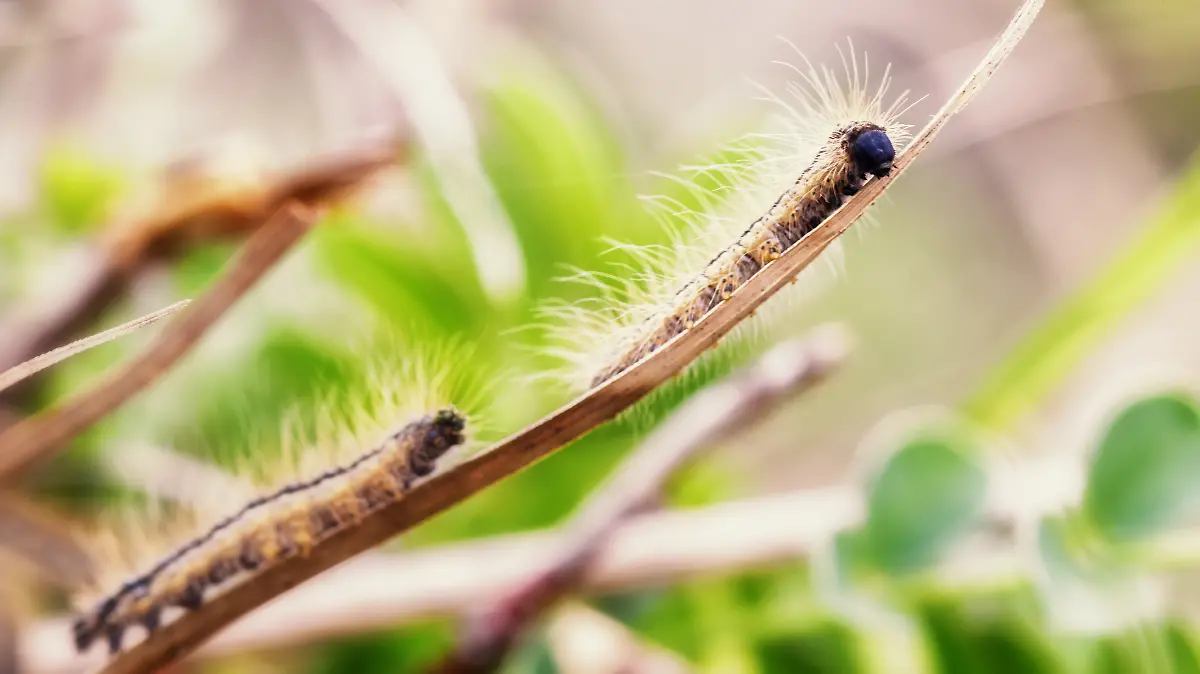
Oak processionary moth on a branch – the animals are dangerous for humans and animals alike (archive image)
Adobe
It's a matter of life and death!
Their venom burns the skin and causes the respiratory tract to swell: processionary moths are a danger that should not be underestimated – especially as a dog owner. Veterinarian Dr. Tanja Pollmüller explains how owners can recognize poisoning and how to behave correctly in an emergency.
Because of pine processionary moths! Dog Lika almost chokes on her tongue
Her owners Michael and Vanessa don't know how exactly the dog Lika came into contact with a pine processionary moth. But shortly after encountering the caterpillar, the animal begins to salivate, its tongue swells and it collapses. Lika only survives because Vanessa and Michael had the presence of mind to rinse her mouth out and take her to the vet immediately.

Dog Lika came into contact with a pine processionary moth and almost choked on her tongue (archive photo)
private/@reiseschnauze
Also Veterinarian Dr. Tanja Pollmüller, known as Doc Pollyknows about the danger posed by pine and oak processionary moths. “Of course they are extremely dangerous,” she says in an interview with RTL, “especially if there is contact with the hairs in the mouth area or in the respiratory tract.” Then what happened to Lika happens: the tongue swells and then there are only minutes left to save the animal. Luckily, Lika was treated in time and the dog is now doing well again.
But what are these processionary moths anyway? And what makes them so dangerous?
What are processionary moths anyway?
“Oak and pine processionary moth are two independent species of insects,” explains Julian Heiermann from the Nature Conservation Association of Germany (NABU) in an RTL interview. The name shows which tree species the species develops in the caterpillar stage. “Both species are found in warmer regions of Europe – where there are more pine and oak trees,” says Heiermann, “but both species also occur in Germany.”
Reading tip: Harmless caterpillar or oak processionary moth? How do you recognize the dangerous insect?
While the pine processionary moths tend to be on the move in February and March, the oak processionary moth season starts around May and ends around September. But even outside of these times you have to be careful of the caterpillars – or rather their hair.
“Both caterpillars live very socially and have stinging hairs to defend themselves against potential predators, which can lead to inflammation on the skin and mucous membranes,” says Heiermann. The shed stinging hairs are built together with spider threads to form nests where the caterpillars can retreat.
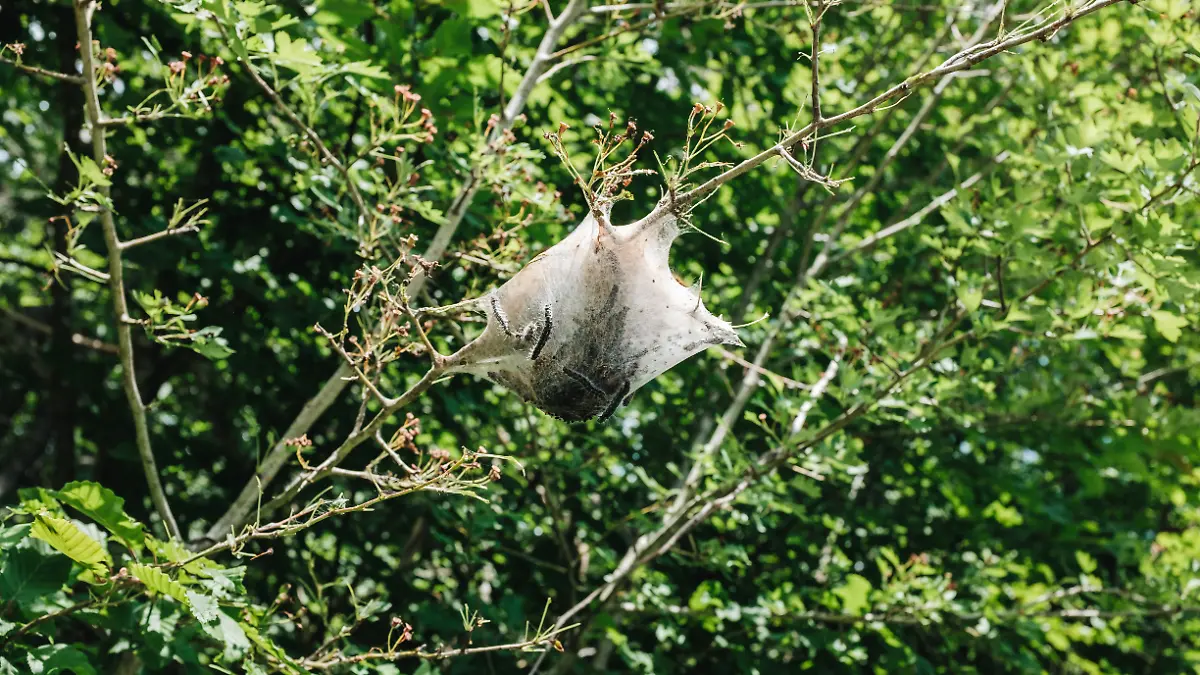
The oak and pine processionary moths have their nests in trees and bushes and cover them with their stinging hairs. A gust of wind and the hairs fly for kilometers (archive image)
Adobe
The problem: “Even if the caterpillars are no longer on site, stinging hairs can come loose from the nests and lead to health problems. You should therefore avoid abandoned caterpillar nests.” The wind can carry the animals' stinging hairs away and a dog can lick or sniff them miles away from the grass.
By the way, there is no obligation to report in Germany. “Many municipalities receive observations and can initiate control measures or cordon off areas on public land,” says Heiermann.
Recommendations from our partners
Video tip: He wants to dig it up! Dog mourns at his master's grave
Contact with oak or pine processionary moth? These are the symptoms
According to Pollmüller, if the dog comes into contact with this invisible danger in the air, the following symptoms may occur:
-
swelling
-
itching
-
Wheals form on the skin
-
Eyes may become irritated
-
If the mucous membranes, for example in the mouth and nose area, are affected, the airways can block
Reading tip: Doc Polly explains: This is how you can tell if your dog has hay fever
“Some also have an allergic shock,” says Pollmüller. In the worst case, the animal dies. By the way, the hair of both types of caterpillars is not only dangerous for dogs. Cats and people also react to the hairs.
Poisoning by processionary moth – first aid tips from the vet
To ensure that this doesn't happen, the vet gives you a few first aid tips.
-
Seek help! With several people, the situation can be better controlled. “One person takes care of the dog, the other looks after where the nearest vet is,” recommends Pollmüller.
-
Wash affected areas with water to remove stinging hairs.
-
Protect yourself and wear gloves when caring for the animal.
Reading tip: Five signs that your dog is unhappy or even sick
Then it's time to go to the vet! “We then secure the airways, give infusions and decongestant and pain-relieving medication,” says Pollmüller. If the airways are so swollen that the animal needs to be intubated, they put it under anesthesia and ventilate it. “It can take days for the animal to feel better again,” says the veterinarian, “but it can recover completely if action is taken in good time.”
She hasn't had a life-threatening emergency yet, but it depends on the area. Anyone who lives near oak forests and walks there a lot has a higher risk than someone who lives in the middle of the city.
Poisoning by oak processionary moths should not be underestimated
According to Pollmüller, the most important thing is not to underestimate the situation, even if you are not sure whether it was a processionary moth. Similar to bee stings, every dog reacts differently to the poison. “This can get worse relatively quickly, depending on how much of the poison is absorbed at once.” If you notice anything about the animal, owners should call the vet or attend a video consultation.
Reading tip: More and more cases of dog malaria! What pet owners should know now
And she has another tip: create a weekly veterinary plan. “When do you reach which vet and where?” asks Pollmüller. Pet owners should know which veterinarian or clinic is available 24 hours a day, seven days a week. “Once the time comes when an emergency occurs, there is panic and unrest and you no longer have time for it.”
Source used: Own RTL research
Note: This article first appeared in April 2025.