ruth901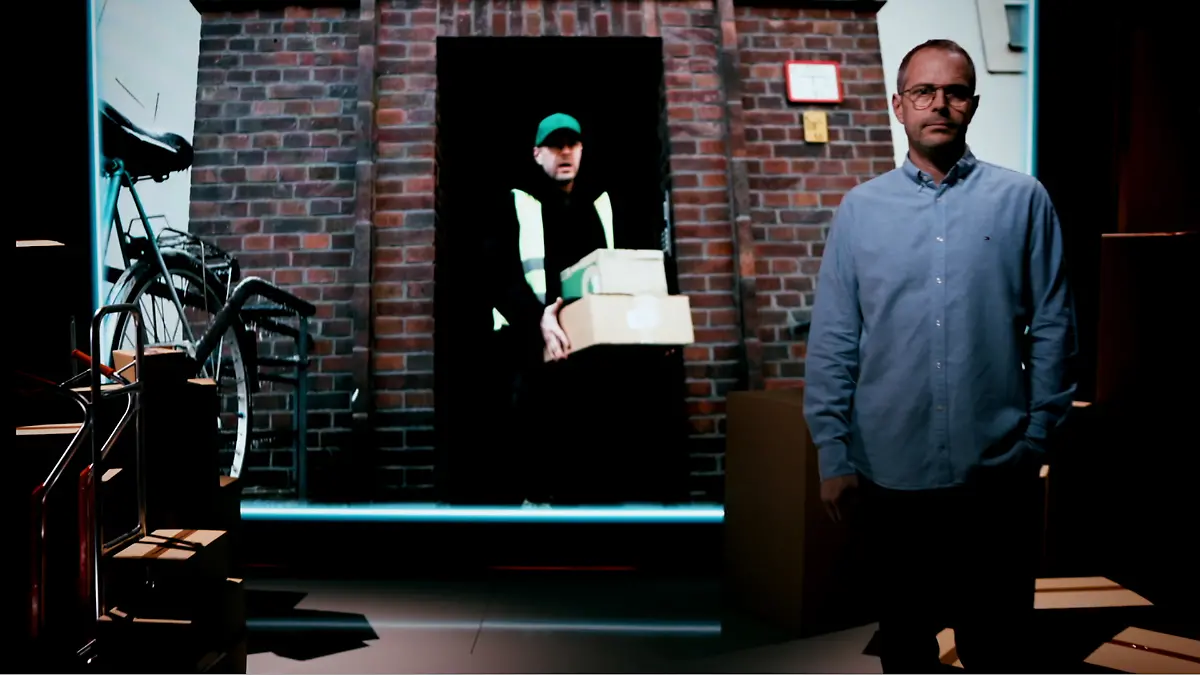
Undercover in the parcel industryWork pressure, exploitation, unpaid hours? DPD drivers do more than “hard physical work”
Up stairs, down stairs, more than a hundred times a day.
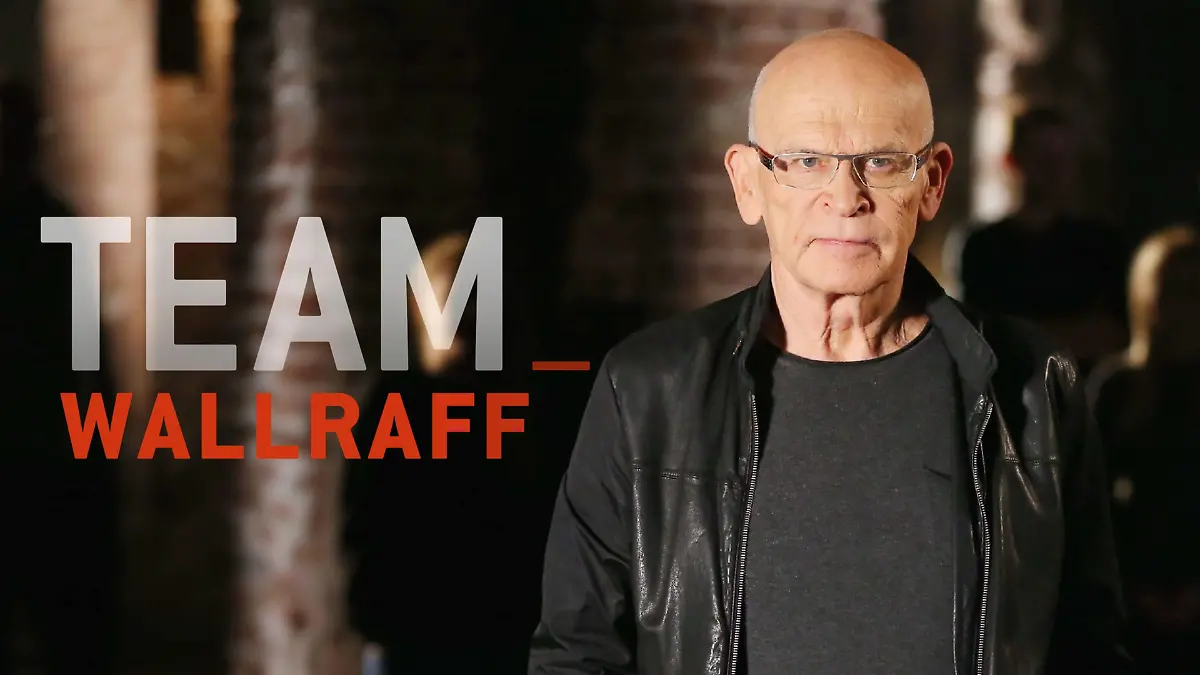
It's no surprise that parcel drivers have a tough job. Online orders are booming, employees for parcel services are being sought in droves, some of them lured to Germany from abroad with supposedly good offers. What the parcel deliverers can expect here is more reminiscent of exploitation than fair working conditions, as “Team Wallraff” reporter Alex Römer discovers during his undercover mission.
Packages at any price?
DPD, one of the largest parcel services in Germany, transports around 350 million parcels every year. However, it is not DPD employees who bring the packages to our homes, but mainly employees of the approximately 770 subcontractors who work on behalf of the subsidiary of the French billion-dollar company Geopost. “Team Wallraff” reporter Alex Römer, alias Tobias, also worked for one of these subcontractors in Berlin Marzahn during his undercover mission. He became aware of the job offer online, which sounds very tempting with up to 3,000 euros net and working hours starting at 7:30 a.m.
On his first day, “Team Wallraff” reporter Alex is assigned to another driver. Together they scan the 83 packages that they are delivering today. According to colleague Milo*, there are few, but normally there would be more than 100. Since several packages are sometimes delivered at one location, there are between 80 and 90 stops that one driver has to make alone. On their tour, Alex and his colleague Milo have around five and a half minutes per package to find the delivery location, park, ring the bell, take the package to the right apartment and walk back to the car. Reporter Alex quickly gets the impression that this time is very short, especially because each package can weigh up to 31 kilos. “This is hard physical work.”
Flat rate daily rate instead of hourly wages
Taking breaks to eat or even go to the toilet is out of the question on the tour. According to DPD, these have to be done, but every interruption causes the end of the workday to be pushed further back, and packages that are not delivered arrive the next day. A not insignificant impact for the drivers, because as Milo explains, he is not paid per hour worked, but receives a flat daily wage of 100 euros net. It doesn't matter whether he needs five hours for his tour – or twelve.
Team Wallraff shows the material to the labor lawyer Dr. Sven Jürgens: “It is not fundamentally forbidden to pay the flat rate, but I have to meet minimum requirements. The working time law must be adhered to. Even if I get a flat rate, I am not allowed to work 14 hours, but actually only eight hours a day. And I have the minimum wage law, which stipulates that if I have worked eight hours, then I have to get at least 13.90 euros per hour. And if the flat rate falls below that, I have violated the Minimum wage. Then you have to pay more.”
Reading tip: Team Wallraff undercover at DPD! Packages at the expense of humanity?
Recommendations from our partners
Do DPD drivers have to pay for damage to their cars themselves?
On the next tour, driver Kiran* tells investigative reporter Alex that employees who are sick for more than a few days are quickly replaced here. According to Kiran, there does not always seem to be continued payment of wages in the event of illness in this subcontractor. That would be a violation of labor law.
Kiran also reports that drivers sometimes have to bear the costs themselves if the car is damaged. For example, a colleague was once charged 800 euros for a broken brake light. If Kiran's statements are correct, labor law would obviously be broken here, because damage that the driver does not cause intentionally would actually have to be borne by the employer. Also questionable: The messengers in this company are apparently also supposed to pay for lost packages, as Kiran explains: “We would have to pay 60-70 euros for a package. It depends.” Depending on the value of the package, this could be more. Even if a so-called express delivery is not delivered on time, drivers can apparently face a fine of up to 250 euros. This is the impression that undercover reporter Alex gets when his foreman explains to him emphatically which packages he is not allowed to deliver later than 6 p.m.
Do DPD subcontractors pay bypassing the state?
At the end of the trial days, “Team Wallraff” reporter Alex could have the job as a parcel delivery person. However, different than stated in the job advertisement. Instead of a permanent position with a net salary of 3,000 euros, the boss of this subcontractor suggests that he sign a contract as a mini-jobber for 650 euros. The rest of the wages are given in cash. Driver Kiran had also already reported to Alex Römer about this type of payment. Is the boss actually blatantly offering the “Team Wallraff” reporter black money payments? Although the subcontractor seems to give him a choice, he also says clearly why he would prefer the 650 euro mini-job: “Then I have fewer expenses. That's how it is.”
Labor lawyer Jürgens sees this as a clear offer of black money payments: “Definitely. I mean, obviously it should be divided into a legally billed social security-contributed part and one that is paid out of pocket. That means withholding wages. Firstly, it is a criminal offense and secondly, the employee is unprotected in this situation. There is an employment contract, it says mini-job and he does a lot more and at the end of the month he wants his money and has to then deal with the employer about how much and on what basis, very bad situation.”
Reading tip: Nationwide raids! Customs targets parcel delivery companies
That's what DPD says
Team Wallraff tries to confront the subcontractor with the allegations, but without success. There is neither a corresponding doorbell nor a post office box at the company address listed in the commercial register.
DPD also asks Team Wallraff to comment on the research. But the parcel service provider does not specifically address the very specific information. Instead, dpd sends a short, general statement in which it says in part:
“All of DPD's contractual partner companies must undertake to comply with all legal requirements, in particular minimum wages, legal requirements for working hours and fair working conditions. We use a mandatory qualification process in advance.”
Video playlist for Team Wallraff
“Team Wallraff – Reporter undercover” on RTL+
*Name changed by the editors