ruth901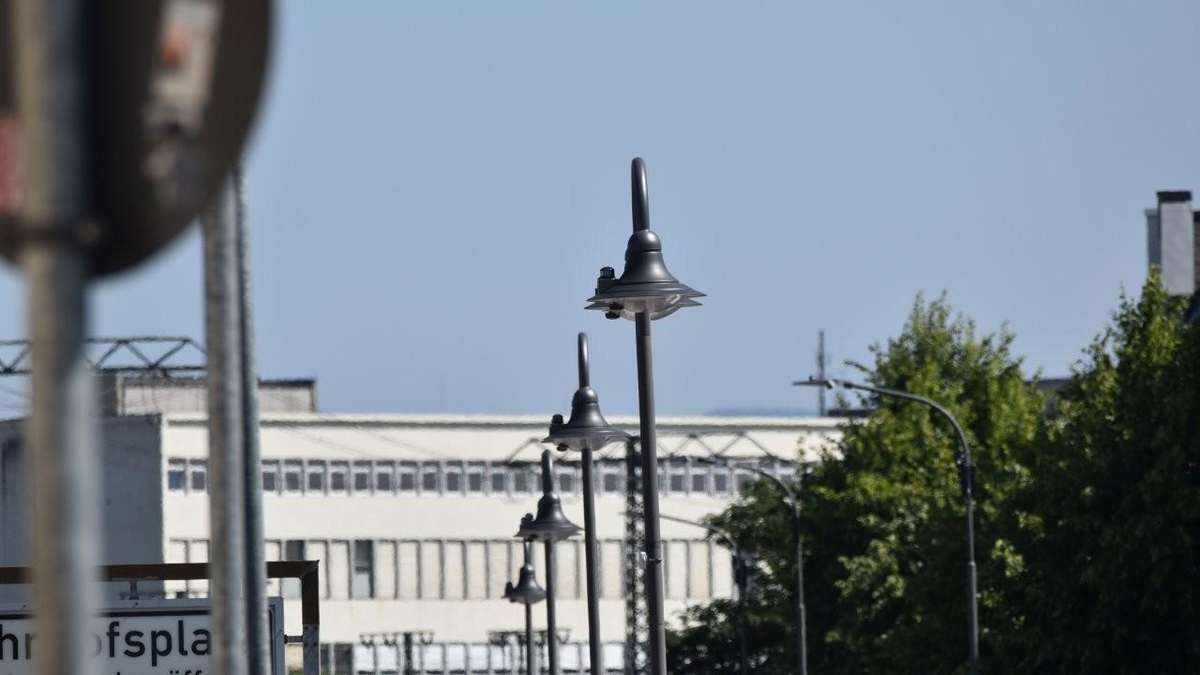

The city of Fulda has equipped its street lighting with sensors as part of a smart city model project and is now making the infrastructure data available to the public via the new “Foll smart” platform.
Fulda – As part of the “Smart Infrastructure Street Lighting” model project, which is funded by the state program to promote energy efficiency and use of renewable energies in Hesse, the city of Fulda has modernized a total of 688 street lighting systems and equipped them with a variety of sensors. She writes this in a press release.
Smart lanterns and sensors are intended to make Fulda more efficient
By using energy-efficient LED technology, potential savings in electricity consumption of up to 79 percent compared to conventional lighting systems can be achieved in the funding area; At the same time, the intelligent control of the street lights depending on the traffic situation reduces energy consumption, reduces CO₂ emissions and helps to minimize light pollution.
Around 25 smart traffic sensors along important main roads record traffic flow in real time and form the database to dynamically control street lighting and adjust the switching of traffic signals, writes the city. On this basis, “green waves” on certain traffic axes could be specifically optimized, traffic jams reduced and traffic flow improved.
Another focus is the digital recording of parking space, especially around Fulda train station: parking cameras and ground parking sensors already monitor more than 200 parking spaces in real time, and further expansion is possible.
The “Foll smart” platform can be used to display all free parking spaces on Kurfürstenstrasse or at the train station, so that unnecessary trips in search of a parking space can be avoided.

In addition, sensors for temperature and soil moisture as well as for the respective filling level have been installed in selected waste glass and waste paper containers, the data from which is transmitted wirelessly to an urban data platform (UDP) and visualized online. According to the city, the dashboard shows at a glance whether there is free travel, slow-moving traffic or traffic jams and which container should be targeted because it still has capacity for used glass or waste paper.
The city administration uses the platform's data, among other things, for data-based planning, to optimize operational processes and for the fully automated selection of signal programs at the traffic lights that match the current traffic situation.
According to the city, the combination of modern street lighting, environmental and traffic sensors shows that sustainability, digitalization and quality of life can be combined; The model project serves as a “blueprint for modern, environmentally friendly urban development in Hesse and beyond”.
The total cost of the project is around 3.3 million euros, 90 percent of which is funded by the state of Hesse. If you have any organizational concerns, questions or technical problems regarding the project, please contact those responsible by email at follsmart@fulda.de reachable.
The community of Eichenzell also relies on digital offerings: The “Smart City Forum” was opened there last year.