ruth901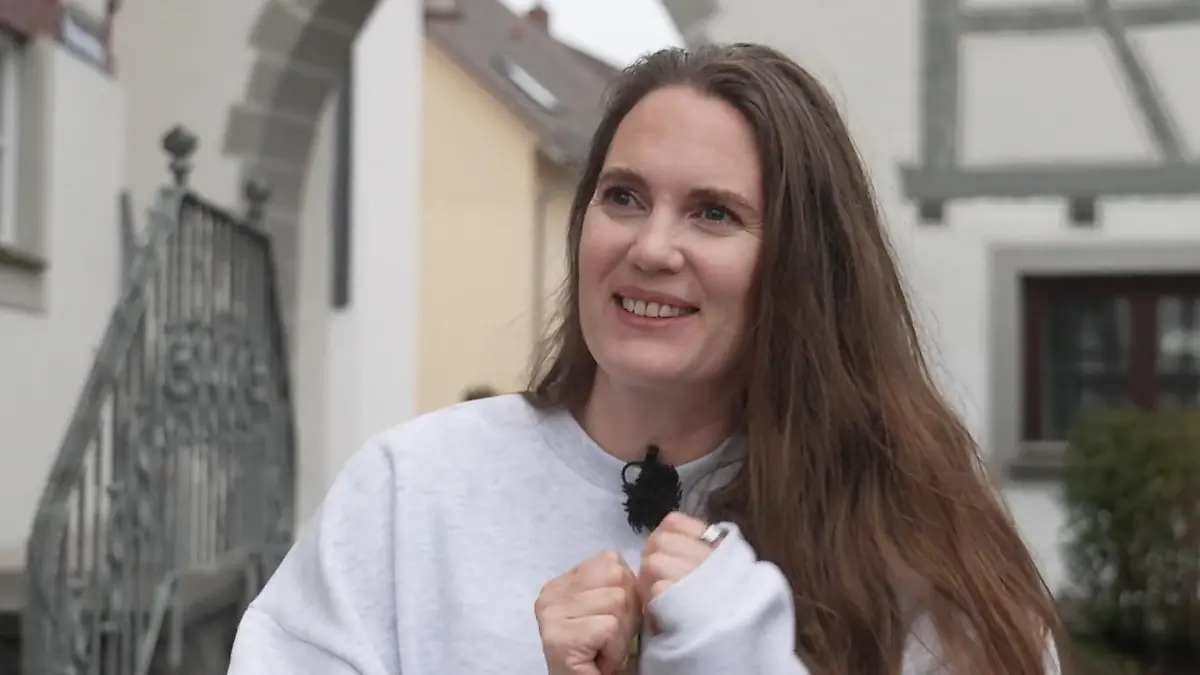
No partner and still a babySperm donation via Facebook ‒ Annika fulfills her wish to have children
Not entirely safe!
Many women know this situation. There are various options for singles to become pregnant, for example through sperm donation at a fertility clinic. But not every woman can afford it. That's why there are more and more private sperm donations online in Germany. We accompanied a woman who chose exactly this path.
Annika found the sperm donor on Facebook
Annika already has two children. The 39-year-old has been a single parent for 18 years. Her two daughters emerged naturally in committed relationships. Fathers are no longer part of their lives today. Now Annika wants to have another child. “There is nothing I want more than to become pregnant again. There is no worse feeling as a woman than this unfulfilled desire to have children.”she explains to RTL as we accompany her on her journey to the baby of her dreams. She wants to fulfill her big dream without a husband and through private sperm donation.
Reading tip: Want to have children: This is what you have to eat if you want to get pregnant
A strange thought for many. “Then of course there is the category that portrays me as sick, as selfish, as scum, that the children suffer because I deprive them of their father. And to be honest, it just bounces off me,” says Annika. She knows exactly what she's doing and discusses every step with her eldest daughter Kiara.
Finding a suitable donor was anything but easy. For Annika, it is important that the child can contact the donor at any time. “And I want to get to know the donor personally, not just look for it in a catalog,” said the single mother. “The biggest difficulty was finding a sperm donor who didn’t just want sex, who didn’t just instinctively exploit the women’s desire to have children.” Because that is out of the question for Annika. She wants to get pregnant using the cup method: she introduces the sperm herself using a syringe.
Reading tip: Britta finds her father in a sperm donor documentary
After Annika made an anonymous call on Facebook, she finally found her donor among hundreds of requests. “I primarily made my selection based on sympathy. Personally, his strengths and weaknesses were incredibly important to me. His job was important to me. Things like optics were irrelevant to me. “Someone who is healthy and athletic is enough for me,” she explains. At the first meeting, Annika checks her donor's health certificate, spermiogram and personal details. The man doesn't get any money – he simply wants to help women fulfill their desire to have children.

No contract, no security
There is no written contract. The donor does not know Annika's real name or address, and therefore has no custody or access rights. She could demand maintenance from him at any time, but in order to do so she would have to reveal her identity. Then the donor would have the right to see his child.
In such a case, a sperm bank would be legally and medically safer, says fertility doctor Dr. Corinna Mann: “Then preliminary medical examinations are carried out, including on the one hand anamnesis, i.e. what previous illnesses they have. What illnesses might there be in the family that could play a role, even over the last few generations? In some cases, sperm banks only accept five to ten percent of sperm donors.”
Reading tip: What happens in a fertility center?
For Annika, the supposed risks are no reason to forego private sperm donation. As unusual as it is, this path to pregnancy is the right one for her. “I hope every cycle that it will work. I always keep my fingers crossed for myself. But I know that I have done everything that is in my power. We have good timing. I've done everything. He did everything. And nothing more is possible.”
Sources used: RTL’s own research