ruth901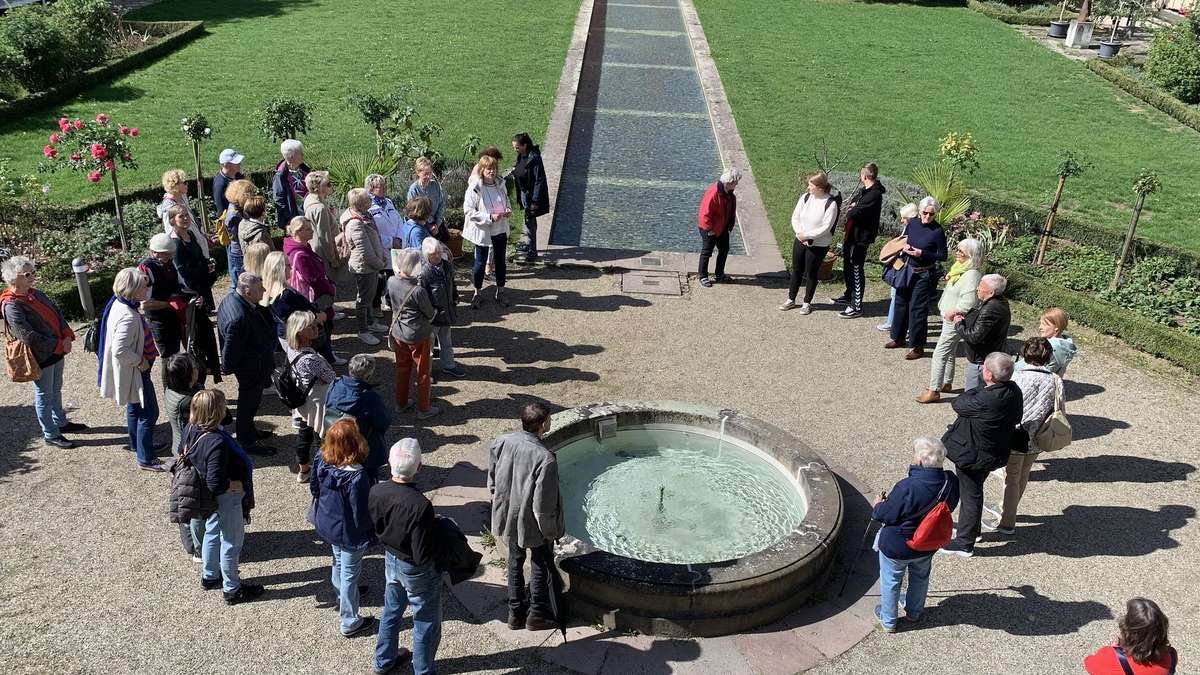

The library of the Episcopal Seminary can look back on an “extremely successful year 2025”: with a significant increase in the number of visitors and a significantly expanded program of events, it was able to further consolidate its role as a central cultural location and as a mediator of cultural heritage.
Fulda – A total of 22,348 visits were counted last year – an increase of over 45 percent compared to the previous yearthe library said. The number of active borrowers also increased significantly by around 41 percent. This development not only reflects the intensive use of the holdings, but above all the increased importance of the library as a lively place for cultural participation.
Library of the Episcopal Seminary presents the 2025 balance sheet
According to the institution, a key driver of this positive development is the significantly expanded cultural offering. The number of exhibitions doubled in 2025, while other events increased by almost 40 percent to a total of 36 dates. The focus of many of these formats was the examination of cultural heritage – be it through the presentation of historical holdings, thematic exhibitions or innovative communication formats. This work was significantly supported by third-party funds raised in the amount of 26,827 euros, which will be used for the restoration and preservation of valuable holdings and thus contribute to safeguarding the cultural heritage.
For the library, this dynamic is also the result of intensified collaboration with other cultural institutions in the city of Fulda, through which new event formats and sustainable collaborations could be realized. In this way, the cultural heritage is not only preserved, but also actively developed and made accessible to a broad audience.
In addition to classic formats, the library and its library work department are increasingly focusing on innovative and low-threshold offerings. Examples include the picnic readings in the cathedral garden, which generate great interest and appeal to new target groups. Such formats in particular are intended to clearly connect cultural heritage with current social issues such as sustainability and community and expand the library's profile. “The development shows very clearly that we as a library are much more than just a place to provide literature,” says library director Dr. Alessandra Sorbello dust. “We increasingly see ourselves as an open cultural space that brings people together, provides inspiration and creates space for encounters. Maintaining and communicating our cultural heritage is a central part of our work.”
Innovative and low-threshold offers such as picnic readings
The use of the holdings has also developed positively: loans from the entire holdings increased by a good twelve percent. At the same time, research activities in the online catalogs increased, indicating growing interest in the library's offerings. The number of registered users also grew slightly. What is particularly noteworthy for the library management is the increase in external users, which underlines the increasing opening of the library beyond the circle of university members.
Despite a significant decline in student numbers, the library was able to significantly increase its reach and visibility. Current developments show that the library is becoming increasingly important not only as an information infrastructure, but also as a cultural meeting place, public space and place for the active communication of cultural heritage. For the coming years, the library plans to continue on this path, expand cooperation and, in particular, sustainably strengthen its role in the care and communication of cultural heritage.