ruth901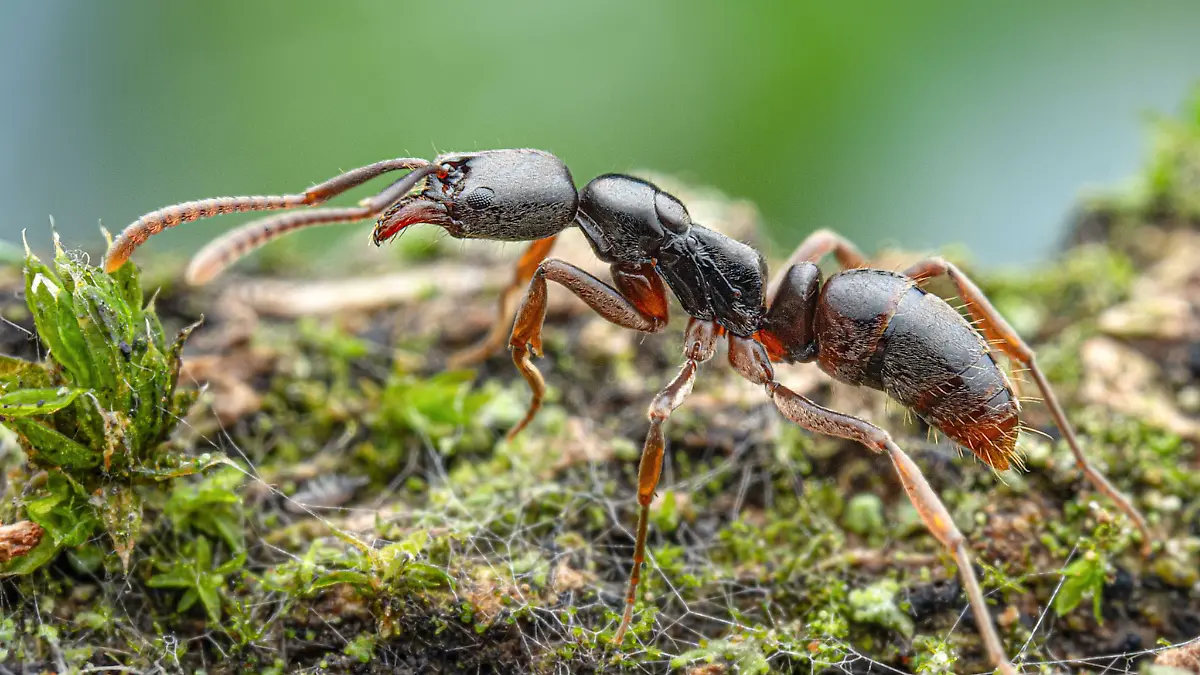
Beware of the Asian needle antLife-threatening insect species is now conquering Germany!
The insects are classified as particularly problematic by the European Union.
Aron Bellersheim/Senckenberg Society/dpa
Experts fear a population capable of overwintering!
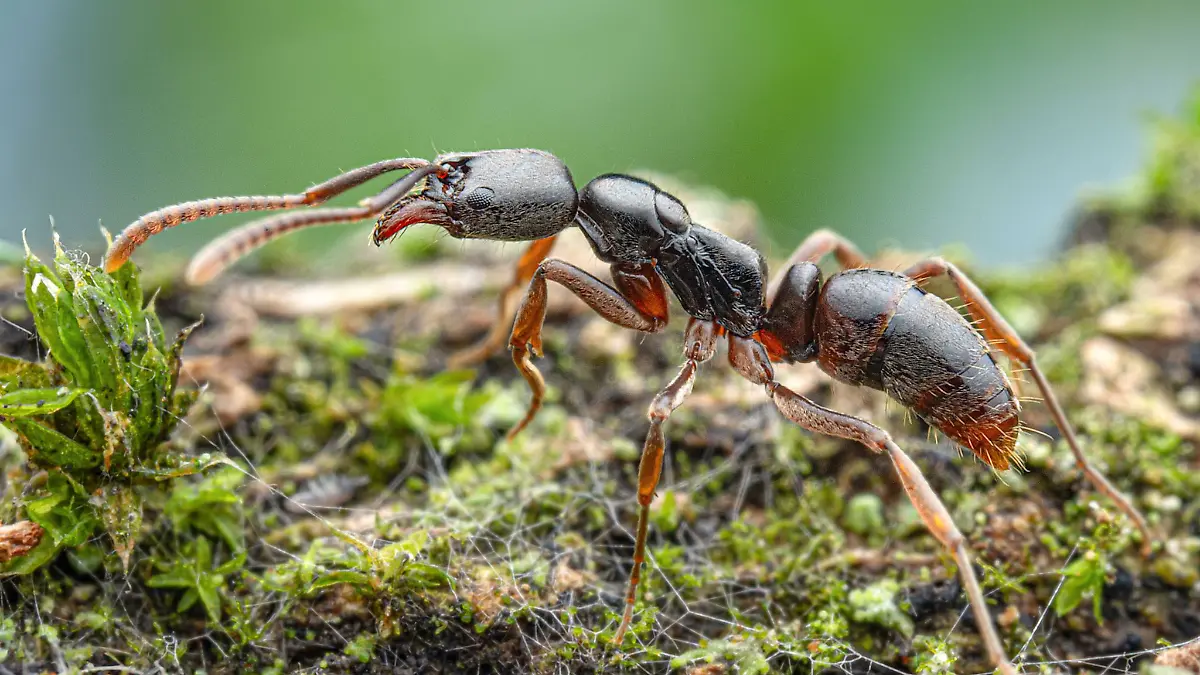
A new species of introduced ant has been discovered in a Stuttgart city park, the sting of which can lead to allergic and therefore life-threatening shocks. It is the first confirmed evidence of an Asian needle ant in Germany.
Asian needle ant probably “particularly problematic”
“The insects are classified as particularly problematic by the European Union due to their possible harmful effects and their potentially allergenic stings,” said experts from the Senckenberg Society for Natural Research (Frankfurt). The species was upgraded to the EU's highest danger class last summer.
Reading tip: Smuggler is caught with 2000 sex ants
Researchers say they came across evidence of the ant, which comes from East Asia, in Stuttgart's Rosenstein Park last June. “We were able to discover a complete colony of Asian needle ants with offspring in the park,” said Brendon Boudinot from the Senckenberg Research Institute and Nature Museum Frankfurt. “This shows that these are not just individual introduced animals, but very likely a local population capable of overwintering.”
Video tip: Disgust delivery! Jayd opens the package in bed – suddenly there's crawling everywhere
Recommendations from our partners
Asian needle ant also found in Naples in 2020
Boudinot is the first author of a study on the first German detection, which has now been published in the scientific journal Zootaxa. According to the University of Hohenheim, one of the co-authors, the Stuttgart biology student Max Härtel, had recently discovered and identified a specimen of the Asian needle ant (Brachyponera chinensis) in the Stuttgart Zoo Wilhelma. The insect originally comes from East Asia. In Europe, the species was found in Naples, among other places, in 2020.
Reading tip: Attention, TBE danger! There will be a tick alert in these areas in 2026
Invasive ants cause significant damage worldwide: They can affect public green spaces and private gardens, attack livestock and protected species and change entire habitats. The animals are often spread unnoticed, for example through the international plant trade, in containers or in luggage. The spread of these species is also facilitated by rising temperatures as a result of climate change. (fkl/dpa)
Sources used: dpa