ruth901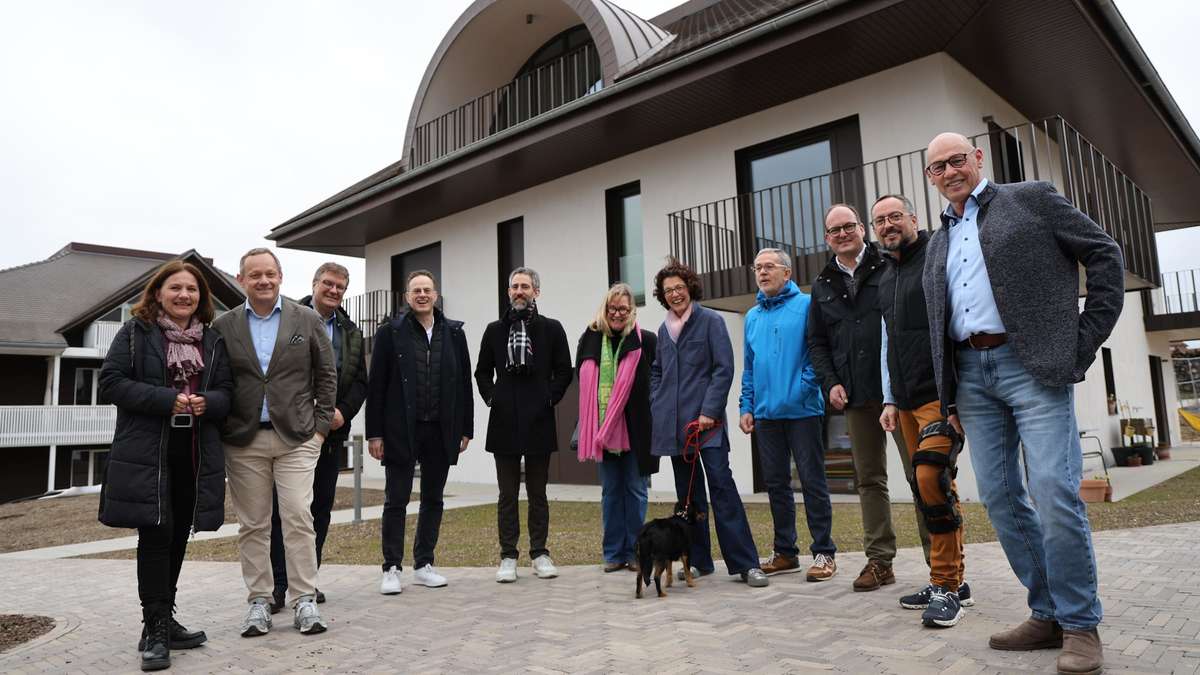

A residential project in Fulda sets new standards. People with disabilities live self-determinedly in the Antonius. Sponsorships provide financial support.
Fulda – Citizens of Fulda support the residential project “Garden Houses – Living in Neighborhood” run by the community foundation “Antonius: Together Human” with sponsorships, thereby enabling people with intellectual disabilities to live independently in their own apartments. In the barrier-free houses, people with and without disabilities live next door to each other, supported by help from neighbors and, if necessary, by specialists.
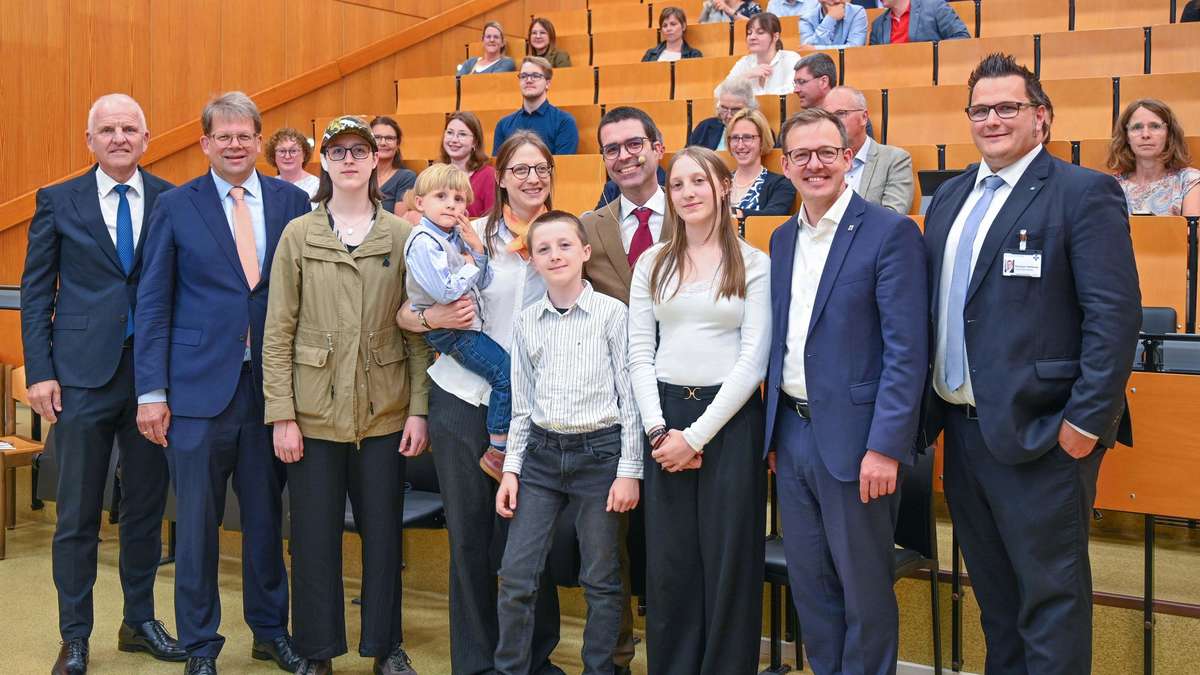
People with intellectual disabilities cannot live alone – Johanna Müller encounters this prejudice again and again. However, the 21-year-old proves the opposite: she lives independently in her own apartment, in Antonius' “garden houses”. Around a dozen sponsors make the special neighborhood project possible, according to a press release.
Innovative residential project: 100 days of Antonius garden houses in Fulda
A community that supports each other and in this way lives true inclusion: That is the vision of the garden houses in Fulda, which has now been around for over 100 days. In the winter of 2025, the community foundation “Antonius: Together Human” opened four more houses with 29 new apartmentswhere people with and without disabilities live next door to each other – a concept that is now receiving nationwide attention.
A new tenant is Johanna Müller. The young woman originally moved from her parents' home in Wiesbaden to Fulda to lay the foundation for her professional life at the “Startbahn” work school. After two years in a supervised training apartment at Antonius, she took the next big step at the beginning of January 2026: a life that she largely shapes herself.
The principle of the garden houses is simple but courageous: first there is self-direction, then help from the neighborhood, and only when necessary do professionals intervene to provide support. “I’m great at cleaning, cooking and washing,” says the 21-year-old, who is starting training in housekeeping at Antonius in the summer. But she also knows her limits: “I don't check anything about money at all, for example the bank statement. That's where I get help.”
“The idea is that the neighbors in the garden houses support each other and look after each other in everyday life,” explains project manager Björn Bierent. “On the one hand, fewer skilled workers are needed, but on the other hand, it counteracts loneliness and everyone can contribute to the common good – even the supposedly weaker ones.” This became particularly clear during the move-in phase, when the neighborhood provided each other with moving boxes, tools and manual help.
Johanna Müller refutes a prejudice
The garden houses represent modern inclusion with the greatest possible self-determination and participation. As a rule, this group of people live in shared apartments with around-the-clock care or, alternatively, in outpatient care, where assistance is part of the program several times a week. Support only on request, as with garden sheds, is a new approach. “Driving someone to physiotherapy, cleaning the stairwell together or taking someone for a walk is already normal in the garden houses,” says Björn Bierent.
To ensure that the community of new tenants grows together, there are regular meetings and a actively used messenger group. “We write there when an event is coming up, when you want someone to accompany you on a walk or when you need something specific,” says Johanna Müller.

The fact that people with low incomes can also live in the garden houses enables a solidarity-based financing model. Since the construction costs for barrier-free, sustainable living space today often exceed what those receiving basic income are entitled to, Antonius closes this gap with the help of sponsorships, among other things.
Sponsors donate the difference between the cheap social rent and the actual cost rent every month – often these are monthly contributions in the lower three-digit range, which in total have a big impact. More than a dozen Fulda citizens – including entrepreneurs, married couples and private individuals – have already taken on such a sponsorship.

While some have initially supported the project for a few months, others have pledged for many years. In addition to simply donating money, the sponsors are involved in the project and are regularly informed about its progress. “We are grateful for everyone who is shaping this future project with us and look forward to further supporters,” invites Silke Gabrowitsch from the Antonius management. (jkl)