ruth901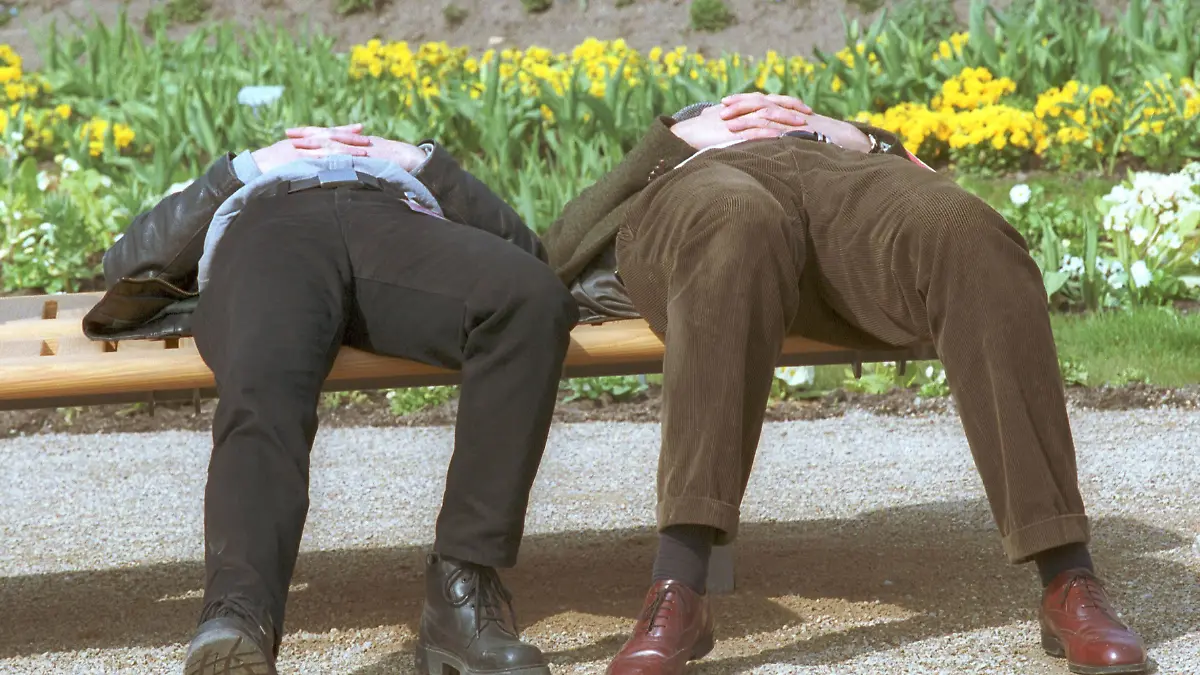
Our best power tips for youSpring making you tired? How to beat the big yawn now!
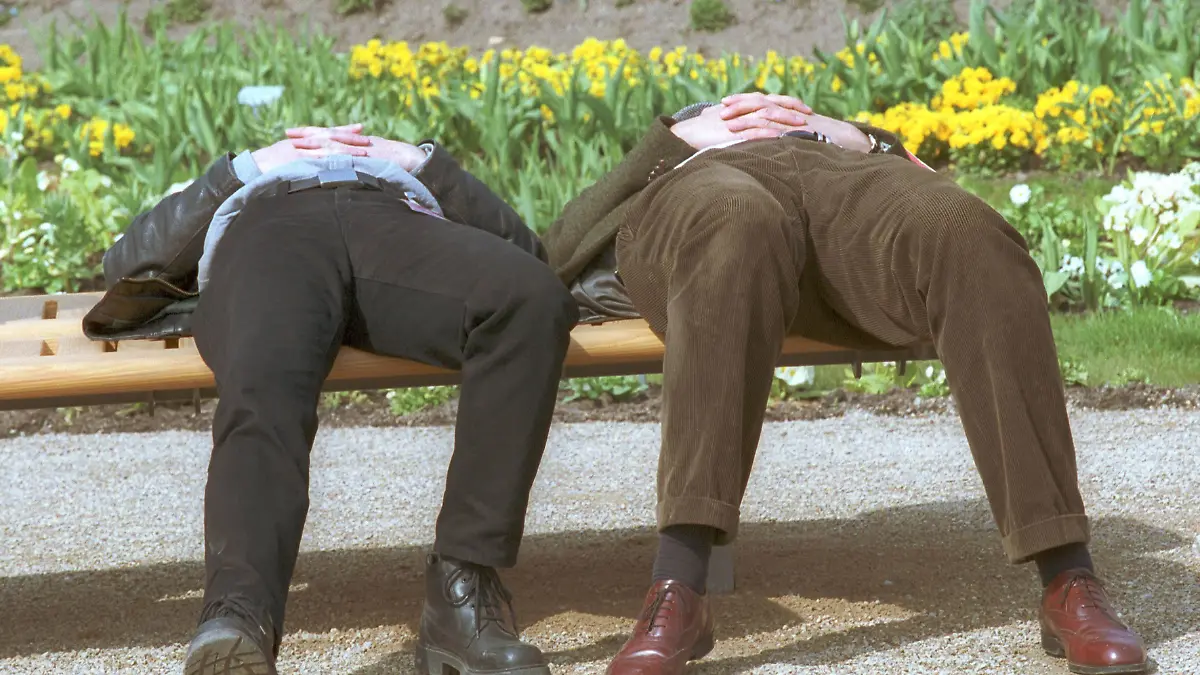
Those who exercise regularly in the fresh air will feel fewer restrictions when making the change.
imago/photothek / Nicole Maskus/photothek.net
Spring fatigue is a real phenomenon that accompanies the transition from winter to spring every year. Those affected can usually get by without medical help, but appropriate self-help makes the transition easier.
Sunshine and spring-like temperatures bring a good mood in Germany. But it is still cold at night, with temperatures falling close to freezing point and sometimes even below it. As the seasons change, many people feel like yawning. What causes spring fatigue and what gets rid of it – an overview:
What is behind spring fatigue?
The big spring yawn usually occurs when there have been a few days with warmer temperatures. Some people feel weak, listless and tired. Others suffer from circulatory problems, mood swings, headaches, poor concentration, irritability or insomnia. This should be overcome after two to four weeks. It has not been scientifically proven that people are actually more tired in spring than in autumn or winter. Most people experience the transition from winter to spring as unproblematic anyway.
What are the causes?
One theory attributes hormones to a significant role in spring fatigue. After the dark winter months, the concentration of the so-called sleep hormone melatonin in the blood is particularly high. The “good mood messenger” serotonin, whose storage is relatively empty, needs daylight to be produced, which activates a hormone gland in the brain.
As serotonin increases through more light and longer days, the body simultaneously reduces the production of melatonin. Because all of this does not take place in a regulated manner in the spring, the system temporarily becomes unbalanced. The result is a battle of hormones – all of this is stressful, and the body demands a breather at the most inopportune times.
What else could play a role?
The temperature fluctuations in spring have an impact on blood pressure. While the blood vessels constrict in cold weather in order to lose little heat, they widen slightly when temperatures rise. This causes blood pressure to drop slightly, which causes fatigue or circulatory problems in some people. People who already have low blood pressure are more likely to complain about fatigue in the spring. People and older people who are sensitive to the weather also react more sensitively.
What helps against the big yawn after winter?
In short: be active and soak up the sun. Light is the best therapy. It stimulates the production of serotonin and vitamin D and stops the production of the sleep hormone melatonin during the day. That's why experts recommend getting as much exercise outdoors as possible – if possible, cycling to work and taking your breaks outside.
Since the body also has to absorb sunlight through the retina in order to produce more serotonin, experts recommend temporarily avoiding sunglasses. In addition, an afternoon nap is not always helpful because then more melatonin is produced and the “happiness hormone” is used up. Alternating showers or visits to the sauna also get the circulation going.
What should you pay attention to in your diet?
Experts recommend lots of grains and grain products made from whole grains, potatoes, nuts, legumes and, above all, lots of fruit and vegetables to fill your energy stores. Some fruits such as bananas, apples and pineapples even contain traces of the mood booster serotonin. Drinking enough water helps to avoid fatigue and difficulty concentrating.
Sources used: Andrea Hentschel, AFP