ruth901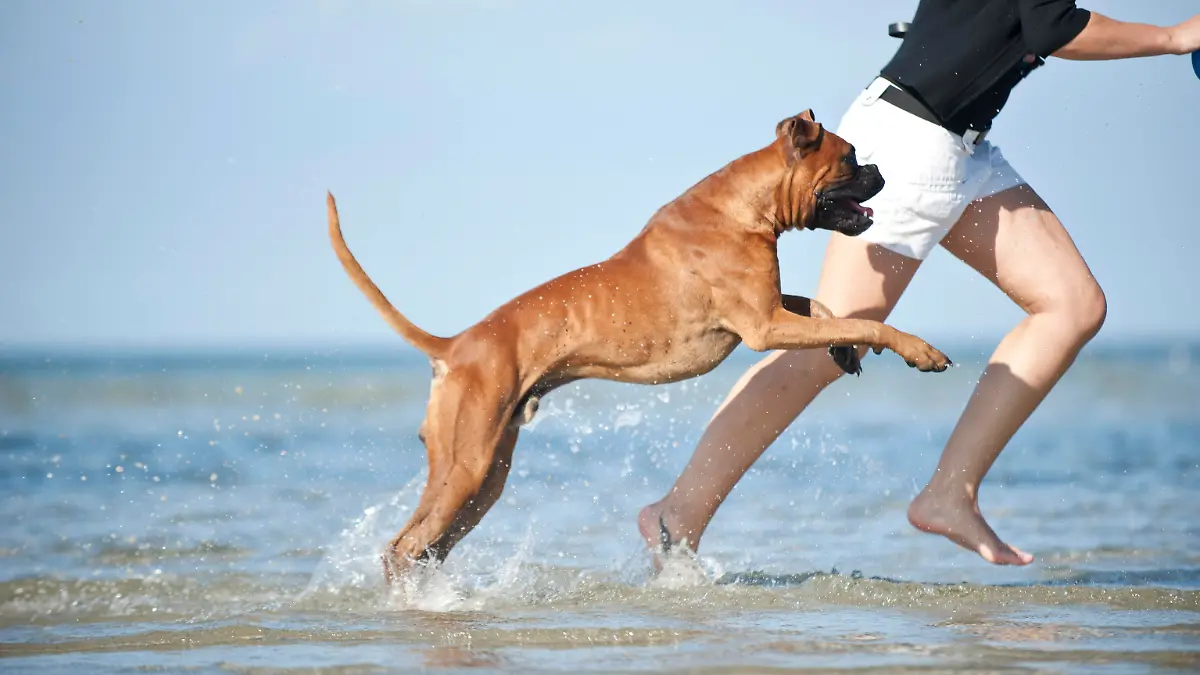
14 points for a safe holiday with your furry friendTo the sea with your dog? You have to check off this checklist
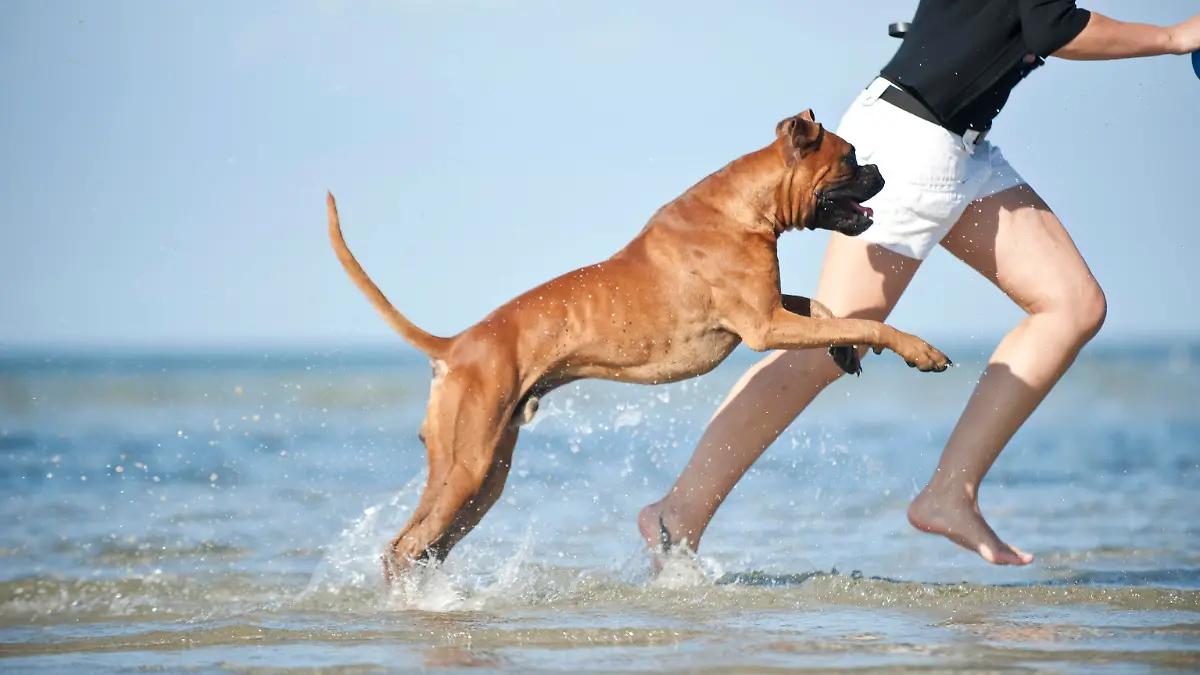
To the sea with your dog? We'll tell you what you should definitely pay attention to (symbol image)
picture alliance / imageBROKER | Alexandra Pfau
Sun, sand, sea and your own dog in the middle of it all.
Sounds fantastic, but it can quickly become dangerous if important preparations are missing. There are risks lurking for your dog, especially in the Mediterranean, which many people underestimate. This checklist shows you what you should consider when vacationing with your dog by the sea.
To the sea with your dog? 14 points for your vacation checklist
Many dogs can hardly be stopped on the beach; they frolic around, splash around in the sea or chase balls. But to ensure that your dream trip doesn't turn into a vet drama, you should tick a few boxes on your list before the trip. Because there are not only entry rules that apply to dogs abroad, but also completely different health risks than at home.
1. Check EU pet passport and entry rules
You can't travel within the EU without an EU pet passport. Among other things, the identity of the dog and a valid rabies vaccination must be entered, as the Federal Ministry of Agriculture, Food and Community explains. Also important: Some countries have additional rules, such as leash or muzzle requirements, special requirements for certain breeds or regulations for ferries, trains and accommodation. Therefore, please do not search until the evening before departure, but check in good time.

Reading tip: You should have these documents with you if you are not traveling with your dog in the EU
Recommendations from our partners
In the video: Of course the dog comes with you on vacation!
2. Don't just ask the vet about standard vaccinations for your dog
A quick vaccination certificate check is often not enough for a Mediterranean holiday. Sand flies can transmit leishmaniasis to dogs, an infectious disease that can severely impact the organs, skin and immune system. Heartworms and other parasites also play a role in southern regions. Therefore, talk to your veterinarian early on about the area you are traveling to, the duration of the trip, protective preparations, possible vaccinations and tests. The timing is also important, because some protective measures require advance notice.
3. Mediterranean diseases can often initially be inconspicuous in dogs
Spain, Italy, Portugal, southern France, Greece, Turkey and regions in Eastern Europe are among the areas where dogs can become infected with motion sickness. ESCCAP, a European expert organization for animal parasites, even advises that before traveling to risk areas, you should always consider whether you should really take your dog with you. Mediterranean diseases can initially be inconspicuous and later have serious consequences. Heartworms are also an issue, especially when traveling to warmer and mosquito-rich regions.
Reading tip: Seven reasons for vacationing without a dog – traveling more flexibly without your furry friend?
4. Pack tick, mosquito and sandfly repellent for your dog
The best protection doesn't just start at the beach. Ask your veterinary practice about suitable collars, tablets or spot-ons (liquid protective products that are usually dripped into the neck). Important: Not every remedy works against every parasite. The application must also be suitable. Some preparations should not be applied fresh before bathing or may take several days to take full effect. Also make sure not to let your dog sleep outside for long in the evening because sand flies are particularly active at dusk.
5. Vacation with your dog by the sea: Plan your travel route cleverly
By car to Italy? Then look not only at the fastest route, but also at the countries you are driving through. Switzerland is not part of the EU, but also requires pet ID, a microchip and a valid rabies vaccination for dogs. Additional rules may apply to certain breeds depending on the country. Also plan enough breaks. A dog that sits trapped in a warm car for hours will not have a relaxed start to the holiday.
Reading tip: These are the most dog-friendly countries in Europe
6. Transport box or seat belt: Secure your dog properly in the car
Does your dog sit on your lap while driving or lie loosely in the back seat? Please don't. The ADAC warns that unsecured dogs pose a significant risk of injury to people and animals when braking or avoiding maneuvers. Depending on the size, transport boxes, dividers or a suitable seat belt with harness are possible. A simple safety leash can be inexpensive, but it must be stable and fit properly. Get your dog used to it before the long journey, otherwise the journey will be a test of nerves.
Reading tip: Dog farts all over the plane! Couple from New Zealand wants their money back
7. Handle long car journeys in a dog-friendly way
It's better to plan one too many breaks than one too few. Many dogs need water, exercise and a short sniff every two to three hours at the latest. Don't feed too heavily before the trip, otherwise you'll risk nausea and vomiting. Shade, fresh air and a familiar blanket help you wind down.
Very important: Never leave the dog alone in a parked car. Even in supposedly mild temperatures, the interior can quickly become dangerously hot.
8. With the dog on the ferry: clarify the trip in detail beforehand
Not every ferry works the same. Some cruise lines offer pet cabins, other kennels or designated areas on deck. The ADAC points out that pet cabins and kennels are limited and should be booked early. Clarify in advance whether your dog can stay with you, whether there are exercise areas and what costs will be incurred. Pack enough water. Water on board is not automatically suitable for dogs and it is better not to have a stomach full to the brim when there is sea.
9. Only approach trains and flights with your dog well prepared
With Deutsche Bahn, small dogs travel free of charge in a suitable transport box. Larger dogs need their own ticket, must be on a leash and wear a muzzle. When flying, airline rules vary greatly. Lufthansa, for example, requires early registration and a suitable transport box for animals in the cabin. Before booking, check whether your dog is physically and mentally suitable for this form of travel. For some dogs, the car is a much less stressful choice.
Reading tip: Traveling by train with a dog: When does the furry friend belong in the transport box?
Reading tip: Flying with a dog: size requirements, costs, airport – then you can take your pet with you in the cabin
10. Don't start your beach day without drinking water
Many dogs slurp seawater out of curiosity. That can be dangerous. Too much salt can cause vomiting, diarrhea, intense thirst, weakness, or cramps. If you suspect salt poisoning, you should get veterinary help immediately. So always take fresh water and a bowl with you. Regularly offers small amounts and takes breaks during wild ball games in the water. The more the dog rages, the more likely it is to swallow salt water. Many dogs tend to overexert themselves while playing ball, which can exhaust your dog a lot, especially in high temperatures that your dog is not used to.
11. Rinse your dog's paws and fur after visiting the sea
Salt, sand and heat can irritate the skin. After going to the beach, rinse your dog with fresh water, especially his stomach, paws, armpits and ears. Check the pads for small cracks, shell injuries or awns, i.e. bristly plant parts that can bore into skin or fur. In long-haired dogs, wet sand can chafe the fur. The ears also deserve attention, especially for dogs with floppy ears. If moisture gets stuck in it, inflammation can quickly develop.
12. Pack a first aid kit for the dog
The dog's first aid kit includes bandages, sterile compresses, tick tweezers, tweezers, wound disinfection, clinical thermometer, disposable gloves, anti-diarrheal medication after veterinary advice and all long-term medication. Veterinary guides recommend putting together your first-aid kit before your vacation because the nearest veterinarian is not always easy to reach while on the road. Save additional animal clinics at your vacation destination. A note with weight, medications, allergies and contact with the veterinary practice is also practical.
Reading tip: Can I stay home if my dog is sick?
13. Holiday on the Mediterranean? Don't underestimate temperature changes
From bad German weather straight into the Mediterranean heat? This can be a real shock for dogs. Older animals, puppies, sick dogs and short-nosed breeds in particular often have problems with heat. If your dog still has a thick winter coat, plan quiet days and only go out longer in the morning or evening. On the beach he needs shade, water and breaks. If in doubt, do the back of your hand test: hold the back of your hand on the floor for a few seconds. If it's too hot for you, it's also too hot for dog paws.
Reading tip: Eight ways to show your love to your dog
14. Don't forget the food, blanket and favorite things
It sounds banal, but it often saves the mood. Take your usual food with you so that your stomach and intestines don't rebel on vacation. This includes a bowl, leash, spare leash, poop bag, muzzle, towels, dog blanket and a favorite toy. Familiar smells provide security, especially in unfamiliar surroundings. The following applies to accommodation: clarify in advance whether dogs are really allowed and what rules apply. Then nothing stands in the way of your first shared sea moment.
Sources used: Federal Ministry of Agriculture, Food and Homeland, ESCCAP, Swiss Federal Office for Food Safety and Veterinary Affairs, ADAC, ADAC ferries, German railway, Lufthansa, Thieme veterinary medicine, Go4Vet