ruth901
Fewer calories, but still fat depositsLosing weight just doesn't work? Hormone diet could be your solution!
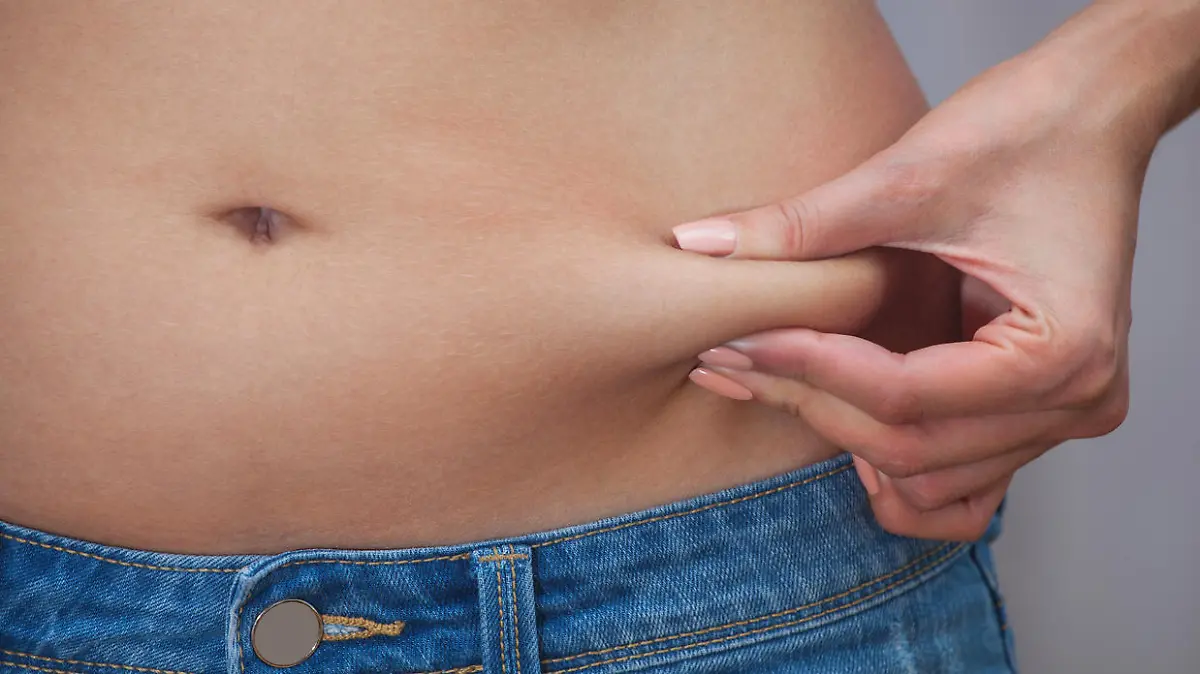
Diet but no success? Hormones could be to blame
iStockphoto
Are you holding back so much, but the weight just won't come off?
Or does the yo-yo effect end up with more on the scale? Many women know this. Also Rabea Kieß, who as a nutrition coach and personal trainer reached her limits with some customers – until she took the hormones into account.
Reduced calories, exercise regularly – but the pounds still remain?
As a fitness trainer, Rabea Kieß has noticed that some women don't lose weight even though they reduce their calorie intake and do a lot of exercise. “There are hormones that simply prevent you from losing weight”the Bergisch Gladbach resident found out. Our hormone levels are by no means just predisposition, but are significantly influenced by our entire lifestyle – diet, exercise, stress level, day-night rhythm and much more.
“Hormones are messenger substances and control metabolic processes in our body,” explains hormone coach Rabea Kieß. “If one hormone gets out of balance, others are affected – a domino effect. Ultimately, the hormones play in harmony like an orchestra. If one goes wrong, the others try to compensate. If my cortisol is too high due to stress, the progesterone drops and it becomes more difficult to get pregnant. At the same time, cortisol has a negative effect on our blood sugar levels.” And this doesn't just affect women in periods of hormonal change such as puberty, pregnancy and breastfeeding or menopause. Factors such as stress, worries, lack of sleep, alcohol, infections or medication can also play a role.
Stress puts an strain on our hormonal system
US doctor Sara Gottfried is also familiar with the phenomenon. “I was fat – and I’m a doctor,” she describes the paradox in her book “The Hormone Diet”. After numerous diets, the gynecologist was at her wits' end. Until she noticed that many of her patients felt the same way. Your diagnosis: Our modern way of life is overwhelming us. Women are under pressure to deliver everywhere, ideally at the same time: at work, at home, as partners and mothers.
Rabea Kieß also observes this: “We actually have too much on our plate because our bodies, our hormones and our nervous system are still stuck in the Stone Age. This chronic overload puts a complete strain on our hormonal system.” She also considers perfectionism and the goal of always looking good and having a great figure to be stress factors.
Recommendations from our partners
What your body shape reveals about your hormonal status
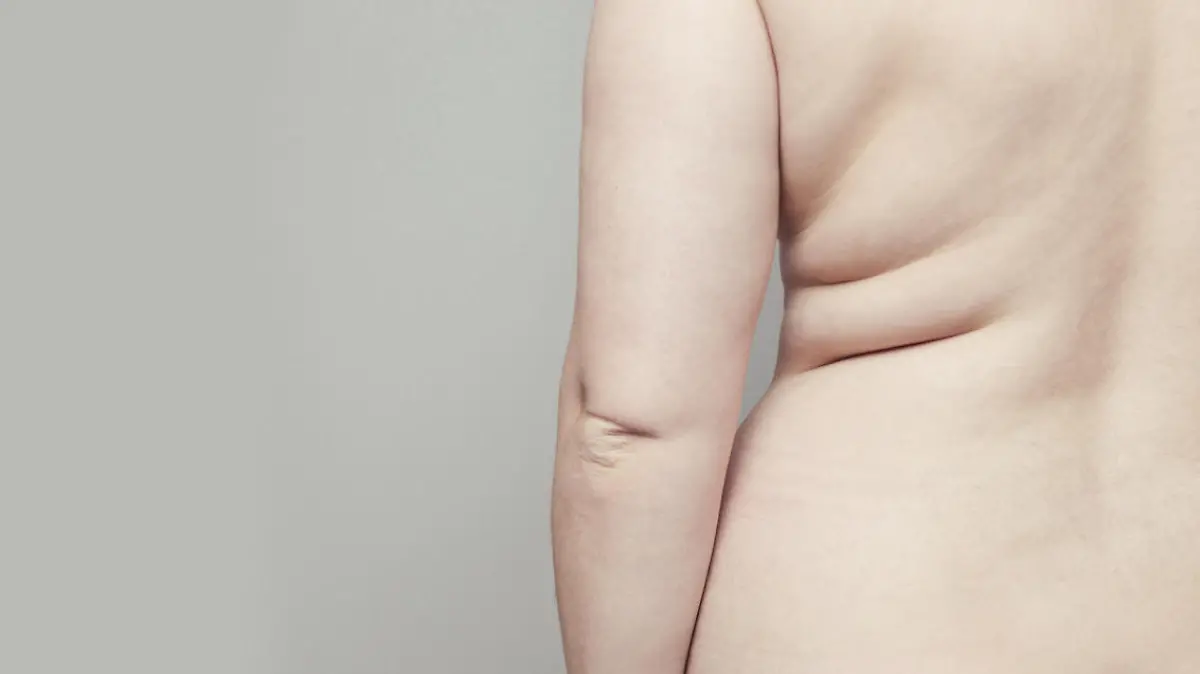
Where our body stores fat or water says a lot about our hormone levels
iStockphoto
Our figure can give us clues as to which hormone is dominant: “If a woman has an excess of estrogen, the fat is more likely to accumulate on the buttocks, thighs and hips. Women with a pear figure also tend to develop cellulite. If I have a lot of stress, I tend to develop belly fat due to an excess of cortisol. But women often have relatively thin arms and legs otherwise,” distinguishes Rabea Kieß and continues: “If I have insulin resistance, 'love handles' leave them alone Hips bulge out of the pants. Women often also have fat deposits on their upper back. If you have thyroid problems, the weight gain tends to be spread over the entire body. By the way, the unwanted pads are often not fat, but rather water retention.
Hormonal imbalances are not only noticeable in weight or figure, but also in the course of the cycle, for example through PMS, severe period pain or tender breasts. “But hair loss, acne and dry skin are also signs. As are severe symptoms of exhaustion or fatigue,” adds Rabea Kieß.
Reading tip: Hormone belly explained: Why women over 40 gain weight in the middle of their bodies – and what helps against it
Why a low-fat diet can be counterproductive
If we don't sleep enough or are sad or stressed, the body goes into survival mode and stores more fat for worse times. Simply combating it with a low-fat diet can, in the worst case scenario, actually have the opposite effect. The body even needs healthy fats because it produces female hormones from cholesterol.
According to Rabea Kieß, low-carb diets or intermittent fasting are also not a solution: In contrast to men, women react more sensitively to food shortages and go into “survival mode” more quickly: if they eat too little, they release more stress hormones than men. Therefore, intermittent fasting is only suitable for them to a limited extent. Hormone specialists agree that women should eat regularly to ensure that their blood sugar levels remain stable.
Too much exercise is not good either
Even too much exercise can be counterproductive, as both causes the body to release the stress hormone cortisol in case of doubt. And even if women are very slim and toned, this can cause hormonal problems. “If they have a low body fat percentage and then eat very low fat or low carb, then women can lose their periods,” reports Rabea Kieß.
The hormone expert's solution: Exercise to a healthy extent, without putting us under pressure to perform. Yoga or sports that we have always enjoyed are ideal. We should get up and move around at least once an hour. “If we sit for too long, the cells become insulin resistant and the body produces stress hormones,” warns Rabea Kieß. The best way to do this is to walk in the fresh air for at least 30 minutes every day. “We also need muscle mass because it keeps blood sugar levels stable,” says Rabea Kieß, “and light – that is a very important activator for hormone formation.”
Reading tip: Boost fat burning naturally – eleven foods that help you lose weight
Reduce stress hormones: This helps!
The body needs to get back into self-regulation. By taking time for ourselves, for relaxation, for self-care, for good sleep. Ideally from 10 p.m. to 11 p.m. “Because the stress hormone cortisol increases again from two or three o'clock in the morning. The earlier we go to bed, the more melatonin we can produce and the better stress hormones can be broken down.” Also fattening: working on the screen or watching TV until shortly before going to bed: “The blue light from these devices is similar to daylight. But in the evening the body prefers red light like at sunset.” So: It's better to read something by candlelight or by the fireplace and slowly wind down with a few breathing exercises.
And start with nutrition. Our food provides the building blocks that the body needs to produce vital hormones. Fatty fish such as salmon, olive or coconut oil, nuts, seeds, sprouts, lettuce, vegetables, avocado, red berries and legumes are great.
The basics for a hormone-friendly diet
Here are a few important basics for a balanced and hormone-friendly diet:
-
Avoid alcohol
-
Drink green tea instead of coffee
-
Replace wheat products with gluten-free alternatives
-
Remove sugar. If necessary, sweeten it with maple syrup
-
Reduce meat consumption, opt for organic chicken instead of red or processed meat
-
Avoid finished products and food packaged in plastic – plasticizers such as bisphenol A in plastic can have a hormone-active effect
According to Sara Gottfried, it is very helpful to keep a diary of all measures.
To do this, we should be careful with ourselves, allow ourselves time to rest, and learn a relaxation technique. And if we want to do something good for our bodies, it's best to use cosmetics without parabens, phthalates or fragrances. To pamper ourselves naturally.
*We use affiliate links in this post. If you purchase a product via these links, we receive a commission from the provider. There are no additional costs for you. Where and when you buy a product is of course up to you.