ruth901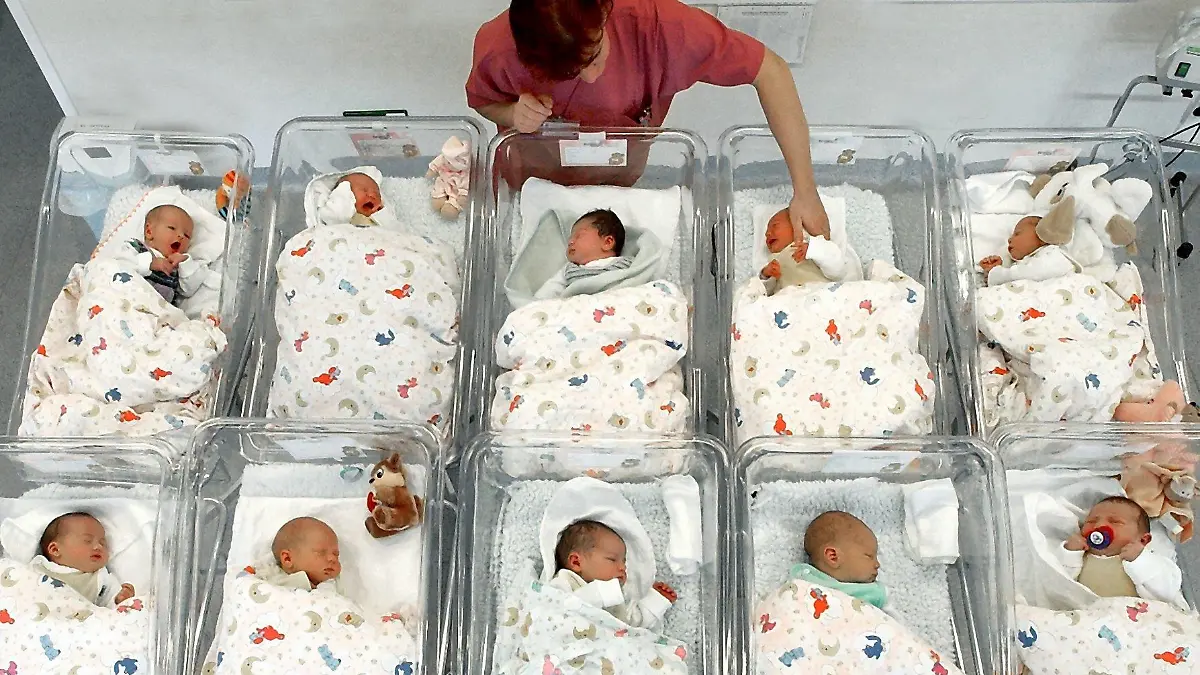
New calculationsDoes working from home solve Germany’s baby problem?
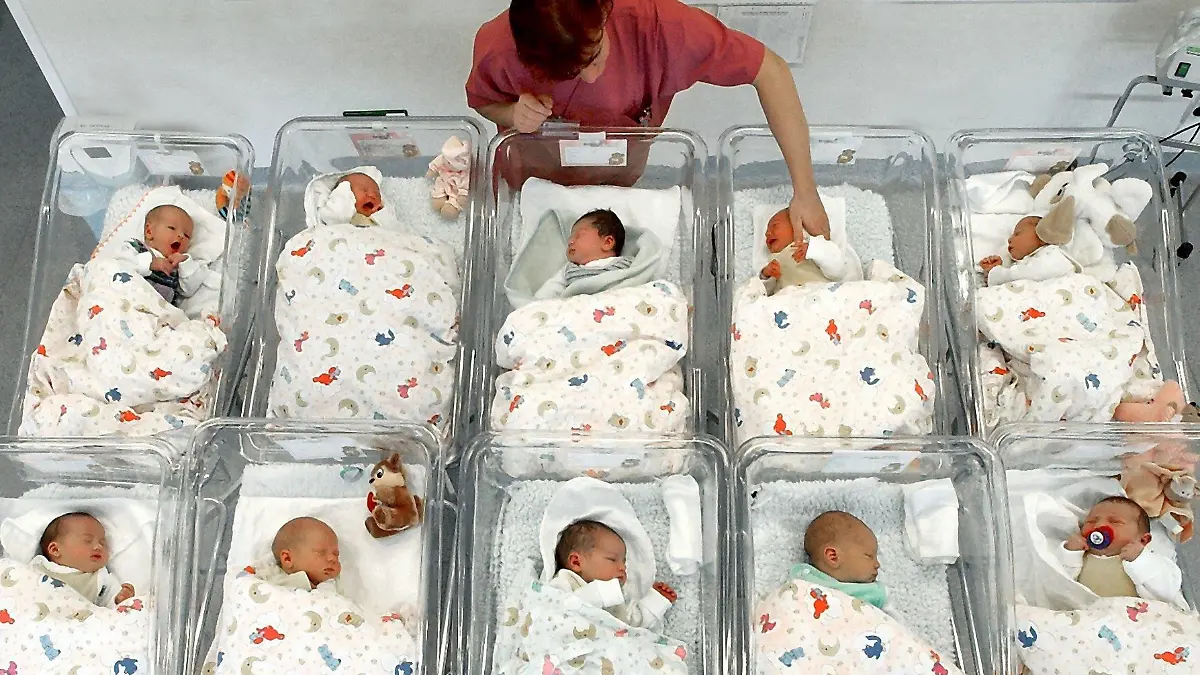
Germany needs more babies – a study has now found out how this is possible (archive image).
picture alliance / dpa, Waltraud Grubitzsch
Is there now the new, indispensable baby boom?
If we work more at home in the home office and not in the office, then more children will be born. This is the conclusion reached by a new study. That sounds simple at first – but it would have incredibly positive effects for our country.
Study shows: Home office leads to more babies!
Those who regularly work in a home office produce more offspring – this is the conclusion reached by an international team of scientists. This can be found in the study “Working from Home and Fertility” by the Ifo Institute and Stanford University for 38 countries, which was published at the end of January 2026.

Couples who worked from home at least one day a week had or planned to have 14 percent more children than couples without a home office. When both were in the home office, the effect was greatest. To be more precise, this means that around one in three women would have had one more child in their lifetime than comparable women without home office options.
Reading tip: Pregnant at 46! Now Jeanette Biedermann shows us her baby bump
13,500 additional births per year possible in Germany
One possible reason: a better balance between family and work. “Our results suggest that broader access to home office increases the number of children – probably because it reduces the time and organizational effort required to combine work and family,” says ifo researcher Mathias Dolls.
Reading tip: Because midwife flees in panic! Father has to give birth to baby
The home office effect is particularly strong in the USA. But what can we conclude from this for Germany? “More flexibility through working from home could help people achieve their desired family size sooner,” says Dolls. 13,500 additional births per year in Germany would be possible if we had a home office quota at the US level in this country.
Recommendations from our partners
Video tip: Twin miracles in the hospital! THESE births amaze parents
Why do we need a new baby boom?
The times of the baby boom of the 1950s and 1960s, with a peak of up to 1.36 million births in 1964, are long gone. In 2024, just over 677,000 children were born. It was the lowest value since 2013, as the Federal Statistical Office announced. The birth rate was 1.35 children per woman in 2024 – it has been falling for years.
Germany urgently needs new babies. Because demographic change – an older and smaller population – threatens to affect us with serious consequences. Especially in the social systems, i.e. pensions, care and health, there are huge gaps due to the lack of births.
Ifo researcher Mathias Dolls says: “More home offices alone cannot solve the demographic problem. But it can be a building block to somewhat mitigate the trend of falling birth rates.”
This is how the study calculates the baby boom effect
The study is based on survey data for 38 countries from the “Global Survey of Working Arrangements”. The majority of respondents were of childbearing age between 20 and 45 years. Home office rates and the actual birth rate, among other things, played a role in the calculations.
In the 59-page article, the scientists are not completely sure whether working in the home office is the causal cause of increased births or whether it is just a correlation: It would also be possible that people who have or want to have children would like to look for jobs with the opportunity to work at home. (with dpa)
Sources used: ifo institute study, ifo Institute economic survey, Federal Statistical Office, Federal Agency for Civic EducationDPA