ruth901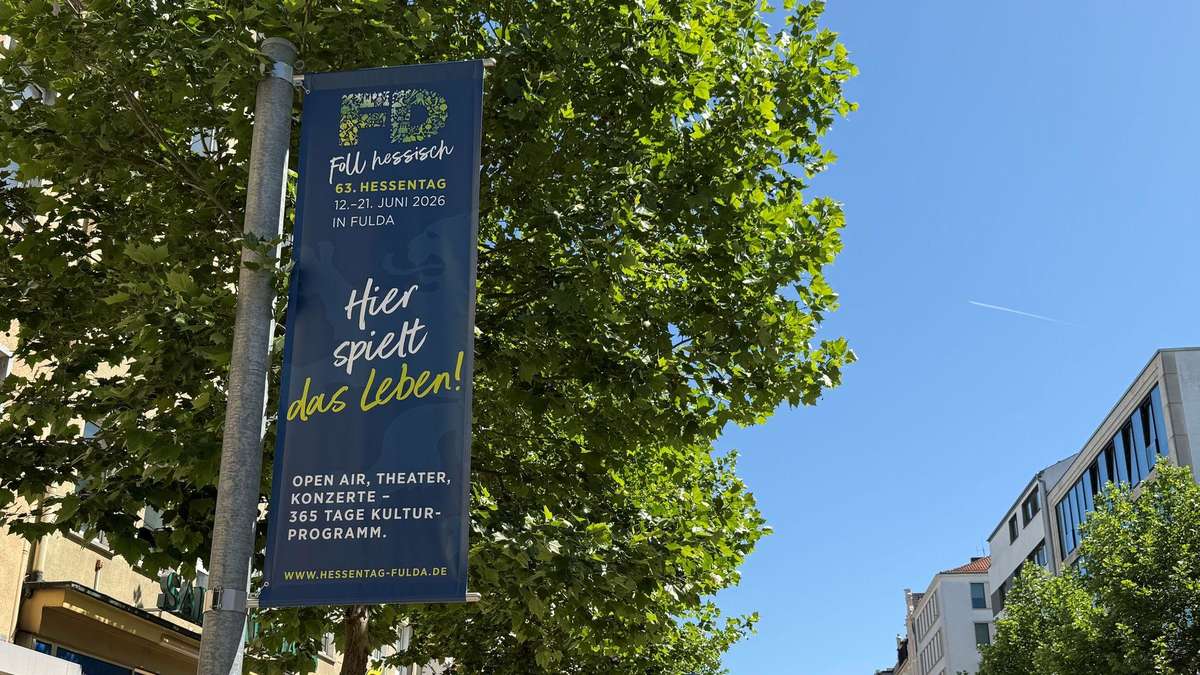

“Hesse celebrates in a completely oversized way” – this is how the taxpayers’ association’s criticism of the Hessentag can be summed up. Host Fulda emphasizes: Hesstag contributes to urban development. The State Chancellery also defends the ten-day state festival.
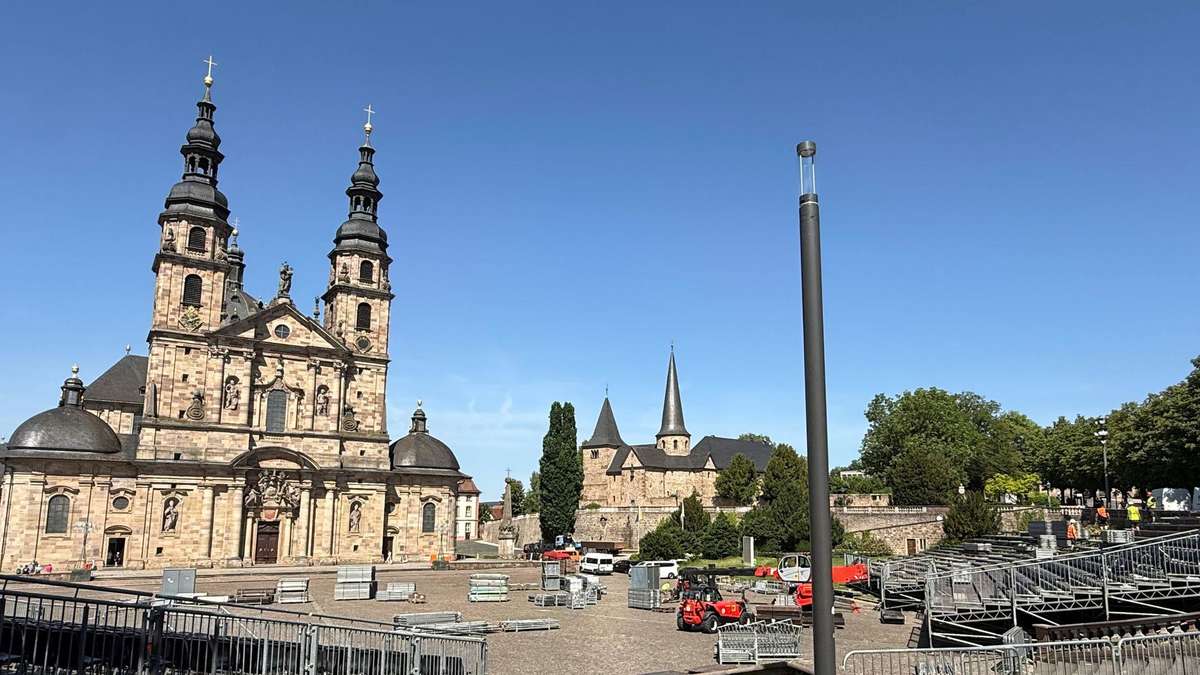
Fulda/Wiesbaden – The Taxpayers’ Association (BdSt) Hesse has once again sharply criticized Hesse day practiced, the will take place in Fulda from Friday (June 12th).. The ten-day state festival is the most expensive and longest of its kind in Germany – a situation that the association believes is no longer acceptable.
“We certainly don't want to be a brake on fun – celebrating is part of life. But what we want is a curb on costs!”, explained BdSt state chairman Joachim Papendick. The expenses for the Hessentag were “completely out of control”. In times of crisis, the state government must finally “slim down” the festival.
Too long, too expensive: Taxpayers' Association criticizes the Hessentag
The figures cited by the taxpayers' association are impressive: the city of Fulda says it expects costs of around 8 million euros. At the Hessentag 2023 in Pfungstadt, the deficit was more than 10 million euros. In return, the host cities normally receive investment grants from the state amounting to 6.5 million euros.
Fulda is a special case: Because that's originally The state festival planned for 2021 had to be canceled due to Coronathe city will receive double the grant – a total of 13 million euros. According to the city administration, there is also a state participation in the implementation of 2.6 million euros as well as interest-free loans of over 10 million euros.
However, the BdSt warns that the costs of the institutions represented at the Hessentag should also be included – including the state government, state parliament, state authorities, police and Bundeswehr. “Even before the pandemic, war and inflation, well over 20 million euros flowed from various public coffers every Hessentag. This sum has now increased significantly,” criticized Papendick. Without the country's massive financial commitment, it would probably no longer be possible to find any organizers.
The city of Fulda and the Hessian State Chancellery defend the Hessentag
The city of Fulda rejects the criticism. There are costs associated with a state festival, especially for security. However, this would require significant state funding. If you add up all the subsidies – for the implementation and for Hessentag projects in 2021 and 2026 – Fulda will receive a total of around 23 million euros. This makes projects possible that would otherwise only be implemented later or not at all. The Hessentag “makes a significant contribution to sustainable urban development,” according to the press office.
The Hessian State Chancellery also defends the format. Hessentag is “far more than a folk festival”. As Germany's largest state festival and a “central place for encounters, exchanges and identification with Hesse”, it brings people from all regions together and strengthens social cohesion across generations and social groups.
“Looking at costs alone is not enough,” says Wiesbaden. The economic effects, local modernization and nationwide visibility clearly put the expenditure into perspective. Not everything that counts can be “reduced to one balance sheet line or quantified in euros”.
Taxpayers' Association refers to Bebra's rejection for cost reasons
The state government is consciously sticking to the ten-day duration because it defines the character of Hessentag. Shortening it would significantly limit the diversity and impact. In addition, a shorter duration would not significantly reduce costs, as numerous funds would have to be invested independently – for example in the construction of event areas. The costs of the Hessentag are transparent and well invested. They are offset by measurable economic effects, long-term infrastructure gains and a significant image gain for the city and country.
The Taxpayers' Association, on the other hand, refers to the practice of other federal states. North Rhine-Westphalia, Thuringia and Rhineland-Palatinate now each get by with a three-day festival every two years. Hesse should learn from its neighbors and also limit itself to a shorter format. Hessentag should only have a future if people return to the original idea and celebrate it shorter and/or less often.
The fact that the search for host cities is becoming increasingly difficult was recently shown by the example of Bebra: At the end of 2025, the northern Hesse city decided not to host the Hessentag 2027 for financial reasons. Idstein im Taunus stepped in at short notice.