ruth901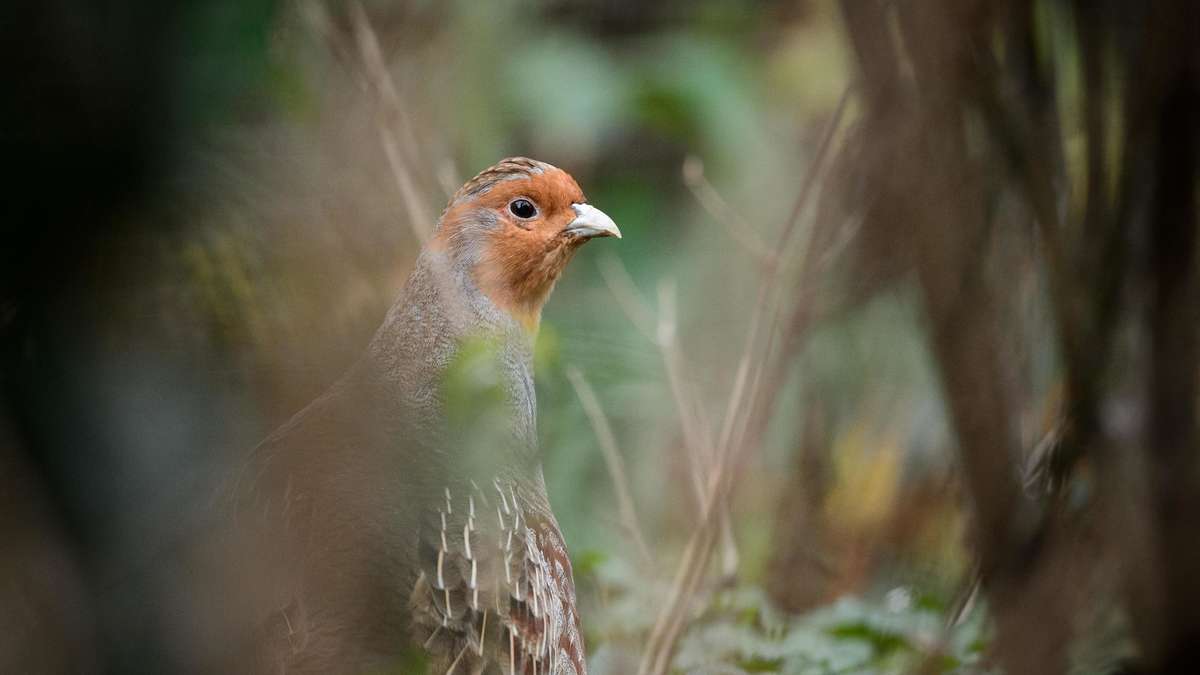

The mapping season in Fulda has opened. Corncrake and partridge are the focus. The district explains why consideration is important.
Fulda – The mapping season has started again in the Fulda district. The populations of the ground-nesting species partridge and corncrake are recorded. These surveys form the basis for protective measures to support endangered species in the Fulda district, according to the Fulda district press release.
“Anyone who is out in nature in the coming weeks and discovers people exploring the area equipped with binoculars, GPS devices and luggage need not be alarmed,” it says. The mappers work on behalf of the Kassel regional council and have been specially trained for this.
Mapping season started: protection for partridge and corncrake
Mapping involves recording and documenting the (breeding) locations of bird species. This work and possible further measures will be carried out in coordination with the Fulda district. The mapping work for the corncrake takes place in the evening, as it calls mainly at night.
The Corncrake is mapped based on its distinctive call, as the “secret” bird that hides from predators in the tall grass is rarely seen. He specializes in open grassland types. “The Rhön with its lean mountain grassland and bristly grass actually offers the best conditions here,” says the Fulda district.
However, only three “callers” were counted in all of Hesse in 2017. A species assistance concept therefore supports the ground-nesting bird in the Fulda district. Farmers are important partners in the protection project. They work with the Nature and Landscape Department and, for example, coordinate mowing or grazing dates if their areas are in the breeding area.
Hochrhön is very important for corncrakes
They receive compensation payments from nature conservation funds for loss of yield. The Fulda district emphasizes that the targeted measures in the Rhön are successful. The breeding success checks show that the number of calls has increased since 2017 and new corncrake territories have been added.
In 2024 the corncrake also bred in the Kinzigtal. In 2023 there were 20 corncrake territories in the Hesse Rhön. In all of Hesse there were a total of 27. In 2025, around half of all corncrakes in the state were at home in the Hochrhön, the Fulda district reports Corncrake protection.
Anyone who is out in nature during the breeding season can actively contribute to the protection of endangered bird species, the district said. “It works very simply: with consideration.” The birds are very sensitive to disturbances during the breeding season. Noise, entering the meadows or dogs running loose can scare the birds
Partridge is “Bird of the Year 2026”
“If they leave their breeding grounds and the eggs cool down, the brood is lost,” writes the Fulda district. “It is therefore particularly important to stay on the designated hiking trails and keep dogs on a leash. In this way, everyone can help to continue to preserve the diversity of our valuable nature.”
However The raccoon is a danger to native animal species in the Fulda region, including corncrakes and partridges. At the Partridge, the “Bird of the Year 2026”there has been a 90 percent decline in inventory since 1980. The partridge is an example of the dramatic loss of biodiversity in agricultural landscapes.
The partridge still exists in the Rhön. How the Fulda district is now becoming Partridge protection According to reports, in the summer of 1969 the former hunting tenant was able to count 89 partridges in the area around Eichenzell-Lütter. Today, however, the survival of the partridge is more at risk than ever before.