ruth901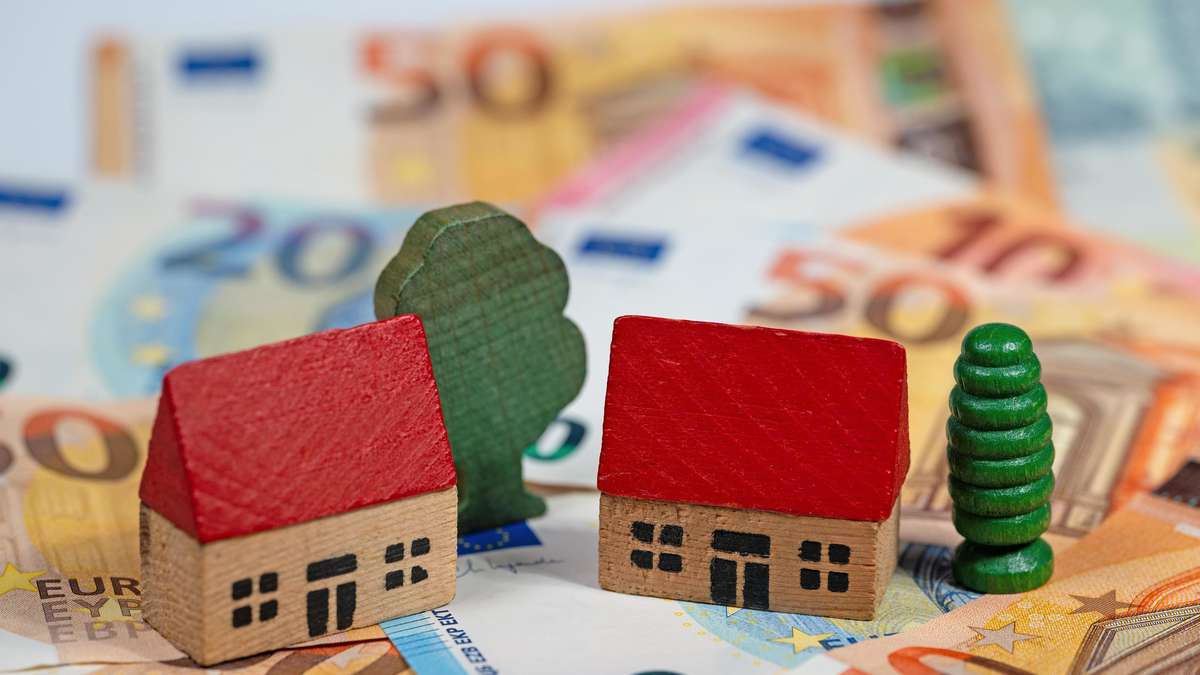

Neither faction of the Hosenfeld municipal council was really satisfied. Nevertheless, the decision was made that the assessment rates for property tax B would be increased from 230 to 340 percent retroactively to January 1st.
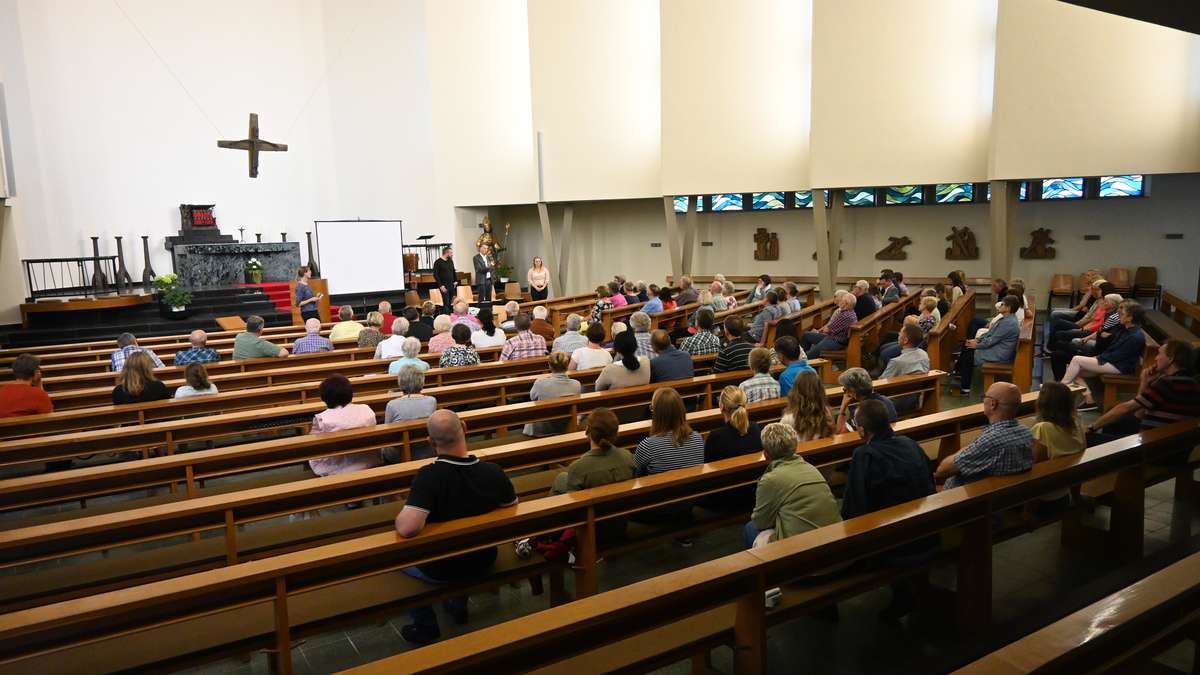
Hosenfeld – In the first regular meeting of the new municipal council, a controversial debate broke out in Hosenfeld. The focus was on the planned increase in property tax B from 230 to 340 percentage points in the future. At the same time, an amendment submitted at short notice by the CDU parliamentary group caused dissatisfaction and a lengthy debate.
The municipality of Hosenfeld increases property tax B after heated debate
The administration's original resolution proposed leaving property tax A at 215 percent, increasing property tax B to 340 percent and keeping trade tax unchanged at 380 percent. According to the administration, the background is the tense budget situation of the municipality. Only with a rate above the so-called leveling rate, which is 320, Hosenfeld can continue to receive higher funding rates.
The CDU parliamentary group also wanted to increase the trade tax to 400 percent. However, the corresponding amendment was not placed on the agenda by a vote of 10 to 12. Siegfried Weber (CDU) was disappointed about this: “I find the result very regrettable.” In the past, table templates were also allowed and then discussed objectively. “That would have been the case this evening too,” said Weber and added, “History is being written here this evening.” Other CDU representatives also sharply criticized the approach. The topic was dealt with intensively several times and was only able to complete the application shortly before the meeting. “We dig deep into the citizens’ pockets.” That's why it's fair that companies also make a contribution, Weber defended the application.
Sebastian Hütter, chairman of the FWG and part of the main and finance committee (HFA), gave an insight into the most recent meeting of the HFA. There was already discussion about whether the trade tax should also be increased. It is therefore not clear to him why the application was only completed at such short notice.
“We have clearly positioned ourselves that we do not want to increase the trade tax. And that is why we can argue directly against the application,” said Hütter. for the FWG “We want to create jobs, attract companies and strengthen Hosenfeld as a business location,” said the FWG. A higher trade tax would be “the wrong signal”.
Lukas Bolz explained in a detailed statement on behalf of the FWG: “Today’s decision to adjust the assessment rates is not easy for us.” The group will agree, “not because we are convinced of this path, but because otherwise the community would lose important funding.”
The FWG sharply criticized the state and federal regulations. Municipalities would actually be forced to place greater burdens on their citizens. The expected additional income of around 180,000 euros would be offset by a budget deficit of around 1.5 million euros. The increase is therefore “just a drop in the ocean”. The FWG also warned of a permanent spiral of rising assessment rates.
Municipal representatives vote for tax increase with FWG votes
This criticism also came from the CDU: “We are now slowly beaming ourselves up. Where will we end up? Will we get to 500 points?” asked Weber. Loud Mayor Frederik Hohnstein (independent) The Finance Minister announced that the leveling rate will be adjusted again in 2028. He said: “And the forecast is that it will be well over 500.”
With a view to a new Hesse logo created by the state that cost around 800,000 euros, Weber said: “Money is being spent here. And the municipalities are being driven into a corner. The financially weak have to tackle the assessment rates. Consumer prices are rising, so are energy prices. Where is this supposed to lead?”
In the end, the municipal council voted for the new tax rate statute with 12 votes from the FWG and 10 votes from the CDU. This means that property tax B will rise to 340 percentage points retroactively to January 1, 2026. The trade tax remains at 380 percent.