ruth901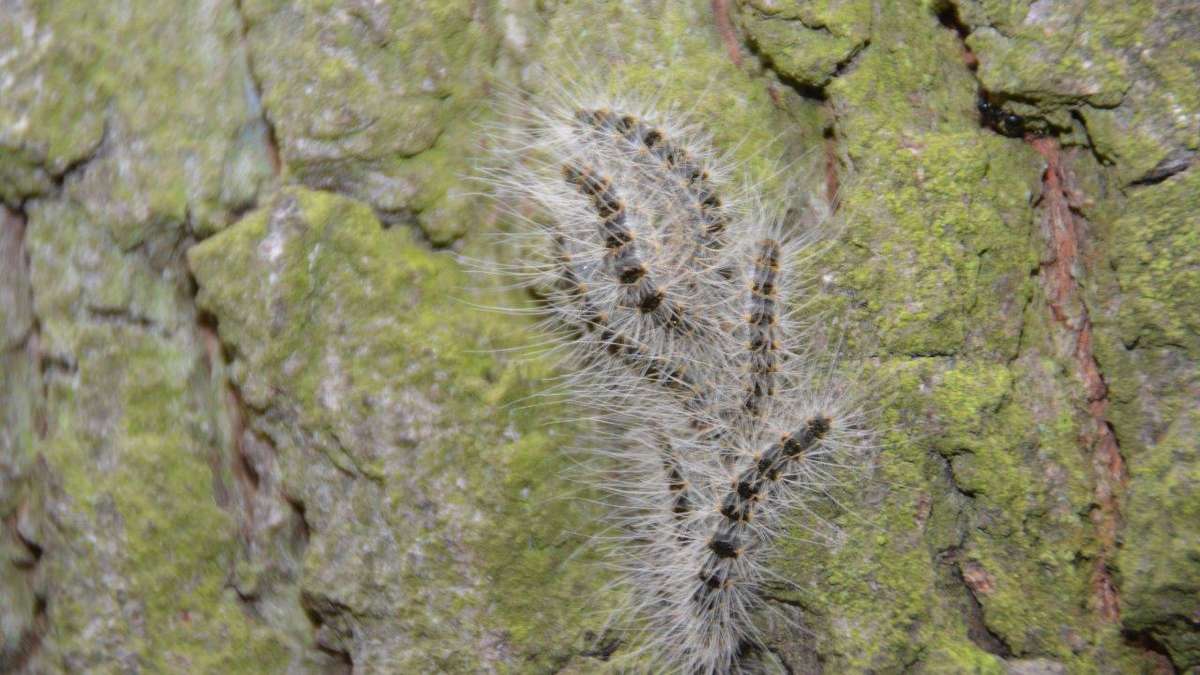

Around 3,300 oak trees in the city will be specifically treated against the dangerous oak processionary moth in the coming weeks.
Fulda – Depending on the weather, the city of Fulda starts in the 20th or 21st calendar week, according to the city administration with the control of the oak processionary mothso probably from Monday, May 11th, or from Monday, May 18th.
A commissioned specialist company introduces biological agents directly into the treetops in heavily frequented oak tree locations along streets, in public green spaces, in playgrounds, cemeteries and schoolyards, and in the open spaces of daycare centers.
Fight against poisonous caterpillar: 3,300 oak trees in Fuda affected
According to the city, a total of around 3,300 trees are affected. The preparations are usually applied using a so-called wide-area sprayer on suitable vehicles such as a Unimog. Closed forest areas are exempt from the measures.
The oak processionary moth has been combated at an early stage in Fulda using approved biological agents since 2019, as the city reports. The caterpillars had previously appeared in large numbers in the Fulda area for the first time in 2018 – apparently as a result of global warming. At that time, the nests had to be laboriously removed at a later stage of development by employees of special companies in protective suits. This year, too, the city expects a high success rate of around 95 percent in early control. Nevertheless, it can be observed that the pest continues to spread, especially because there is no control in the closed forest areas surrounding the city.

According to the Office for Green Spaces and City Services, the early timing of treatment is essential for the effectiveness of the measures. The caterpillars must be killed before they reach the third instar and develop their allergy-causing stinging hairs. Contact with these fine hairs can cause skin rashes and irritation of the respiratory tract and, in extreme cases, lead to allergic shock. Contact with remaining web nests also remains dangerous: even after pupation and hatching, the poisonous stinging hairs remain in the nests and can continue to cause irritation.
In the first step, the oak trees near the water should be treated. According to the city, so-called nematodes are used as a biological agent to spray the trees along the Fulda and near other surface waters. Since these roundworms are very sensitive to light and drying out, they are released in the late evening and night hours between 9 p.m. and 3 a.m. At all other oak locations, the proven bacterium Bacillus thuringiensis is used, which occurs naturally primarily in the soil, but also on plants and in insect carcasses. The areas around the sprayed oak trees will be temporarily cordoned off; “The city asks you to pay attention to the relevant signs,” the statement says.
“The Office for Green Spaces and City Services expressly warns against the unauthorized removal of oak processionary moth caterpillars or their nests,” the city continued. If skin or respiratory irritation occurs after contact, those affected should contact their family doctor or emergency medical service immediately. The Office for Green Spaces and City Services is responsible for removal along public facilities or paths.
Web nests on oak trees in these areas can be reported via the Fulda City Citizens' Office by calling (0661) 102-1111 (Monday to Thursday from 8 a.m. to 5 p.m., Friday from 8 a.m. to 3 p.m.). The city recommends that private property owners hire specialist companies to remove the nests; Corresponding addresses are usually easy to find on the Internet.