ruth901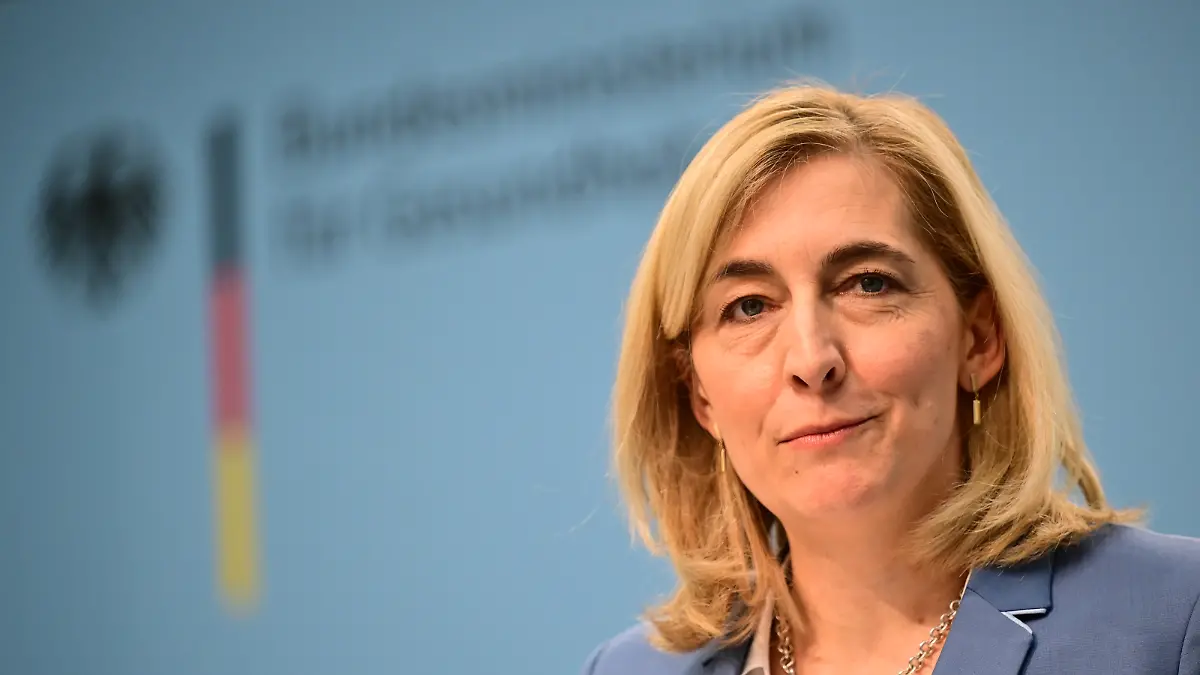
Medicines could also become more expensiveHealth Minister wants to restrict non-contributory co-insurance
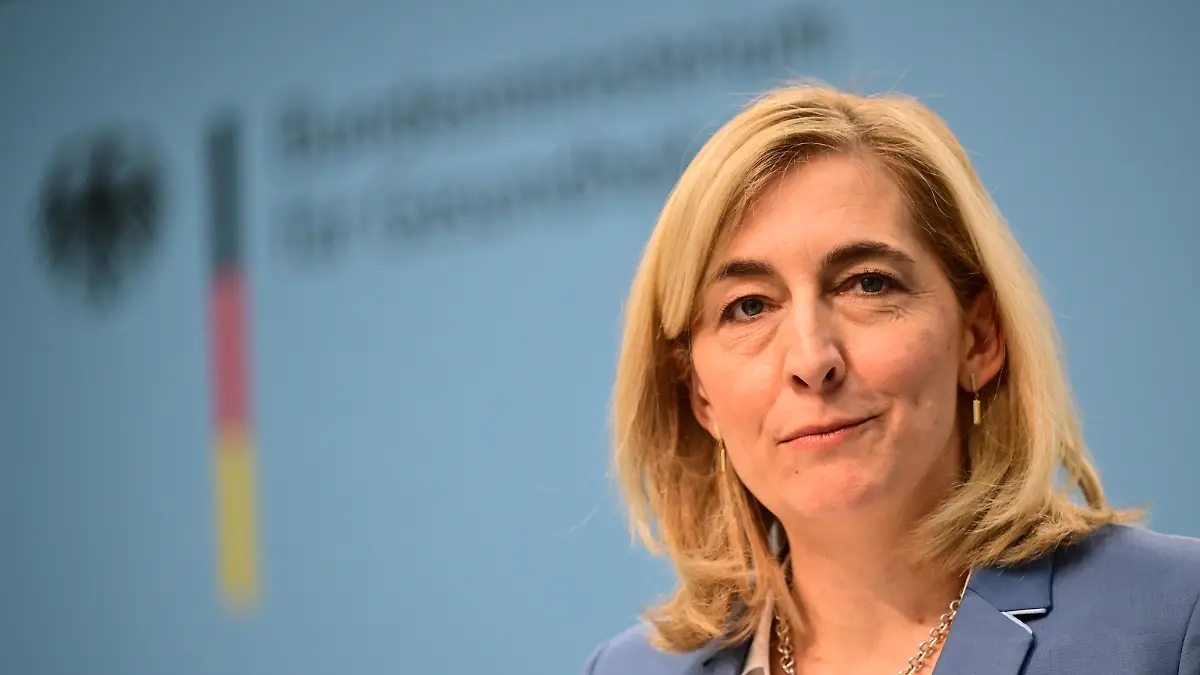
Nina Warken wants to implement around three quarters of the Commission's proposals.
picture alliance/dpa / Sebastian Gollnow
Considerations about abolishing free co-insurance for spouses spark protests. The Minister of Health still wants to make savings here – but carers and parents of young children can breathe a sigh of relief. Medicines could also become more expensive for many insured people.
In order to stabilize statutory health insurance (GKV), Federal Health Minister Nina Warken wants, among other things, to restrict free co-insurance for spouses and increase co-payments for medication. Overall, “over three quarters” of the suggestions from an expert commission for statutory health insurance reform should be implemented, as Warken said. Your department has examined the proposals over the past few weeks “and has now created a balanced overall package”.
“It is important to me that this package can close the currently expected financial gap up to and including 2030,” emphasized Warken. “Without decisive countermeasures,” the GKV would have to expect a deficit of 15 billion euros next year and even 40 billion euros by 2030.
All those involved and service areas of the health system must now make their contribution, said the minister. Specifically, Warken is planning, among other things, the gradual introduction of a mandatory second opinion procedure for operations and the restriction of free co-insurance. Children should therefore remain insured, spouses only in exceptional cases.
There should be exceptions for parents of children under the age of seven and people caring for them, it said. Insured people and trade unions had protested against an end to non-contributory co-insurance for spouses without income after corresponding proposals from the Commission became public.
The coalition leaders had decided that the basis for the savings efforts should be the 66 suggestions from a commission of experts that Warken had set up. The general rule is: “We simply cannot spend more money than we earn,” says Warken.
Warken announced cuts for doctors, hospitals, pharmaceutical manufacturers, pharmacies, health insurance companies as well as insured persons and employers. The prices and remuneration should therefore be linked to the development of income. Payment for measures should be linked more closely to “demonstrable benefits” than before. According to Warken, a second medical opinion should be obtained before certain procedures. Medicines should increasingly be traded with cheaper discount contracts.
For doctors, payment for certain services outside the valid fee budgets should be canceled. This should apply, for example, to open consultation hours or the initial filling and updating of patient files. These and other steps could save twelve billion euros in the coming year – but since this is not enough, a contribution from insured people and employers will be added, says Warken. Savings should also be made at the health insurance companies themselves: their administrative expenses should be limited and advertising costs should be halved.
A commission of experts appointed by the federal government recently presented its reform proposals for statutory health insurance. The aim is to stabilize health insurance contributions. The experts presented 66 concrete recommendations, the implementation of which could save 42 billion euros in the coming year alone.
The legislative package is scheduled to be approved by the cabinet on April 29th according to an ambitious schedule and passed in parliament before the summer break. “It is important to me that this package can close the currently expected financial gap up to and including 2030,” said Warken.
Sources used: dsc/lme/AFP/dpa