ruth901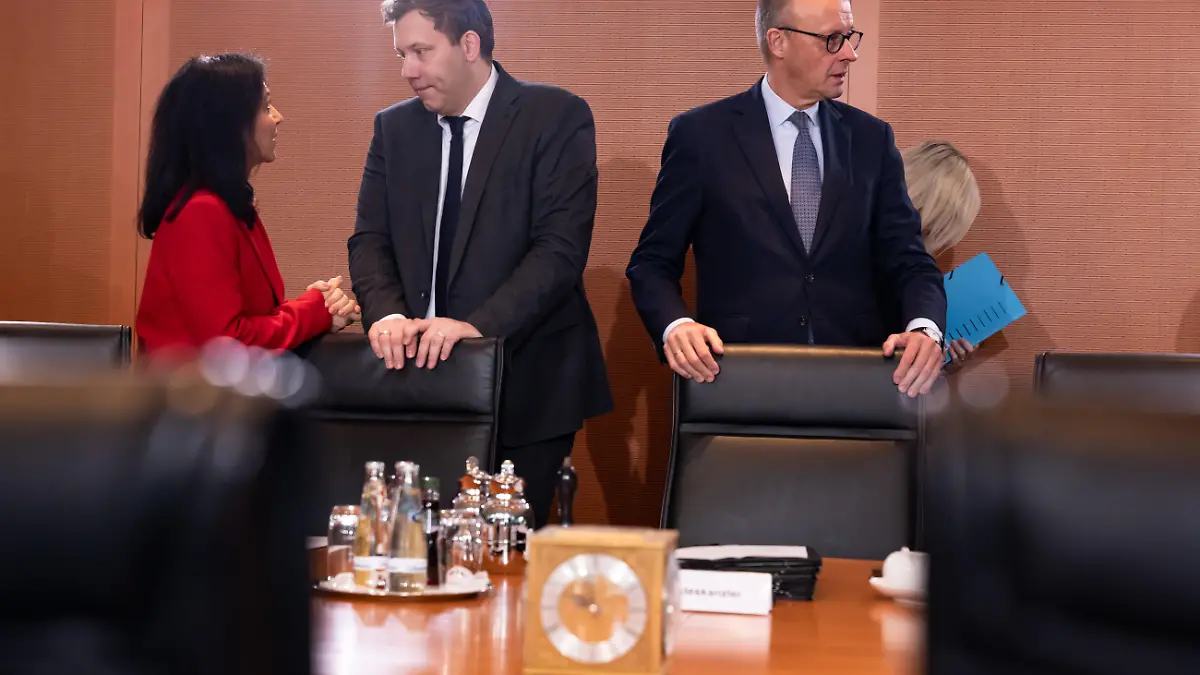
Bad news for millionsChancellor Merz: No quick help with fuel prices
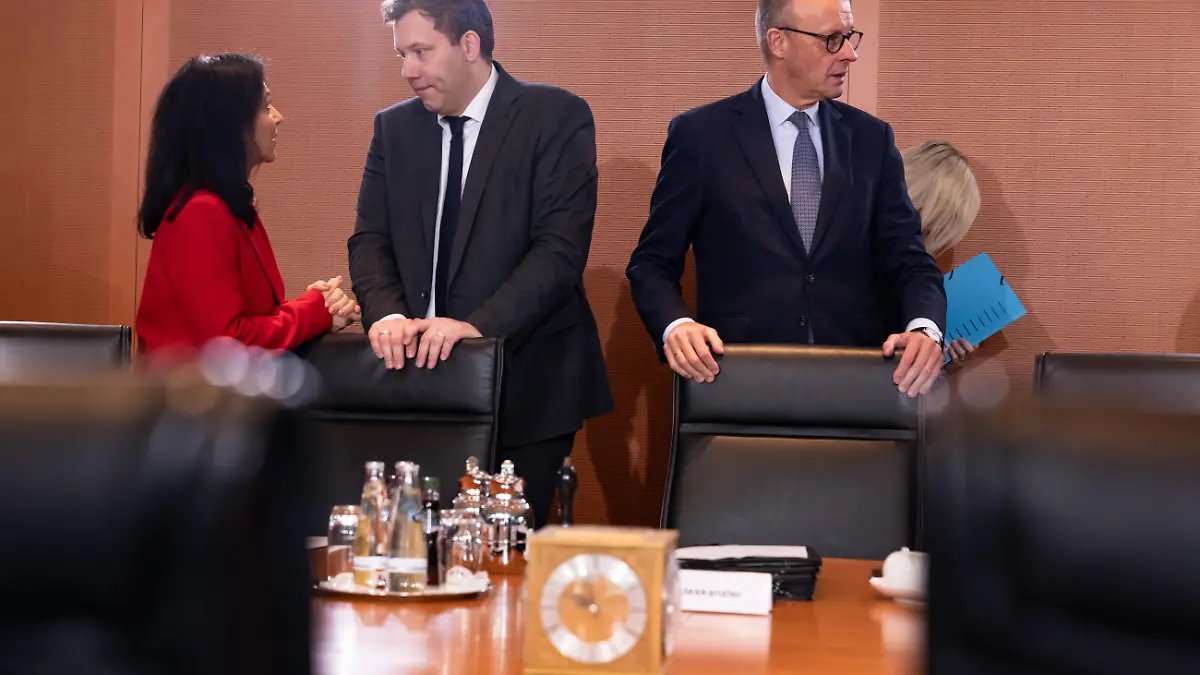
Merz shrugs off responsibility: Reiche and Klingbeil should come to an agreement and present a joint proposal.
picture alliance / NurPhoto / Emmanuele Contini
Citizens are currently having to dig deep into their pockets at the pump. Many are hoping for quick help from the federal government. But Chancellor Merz is dampening expectations: Relief should come – but not now and not soon.
Chancellor Friedrich Merz is dampening hopes of quick relief due to high fuel prices. The federal government is “in close dialogue”, but one should not expect short-term decisions, said the CDU leader in Berlin. If prices continue to rise significantly and permanently contrary to the current signs of relaxation, the government will take action. “We will then respond with targeted relief,” promised Merz.
First of all, the markets reacted to the announcement of a two-week ceasefire between the USA and Iran, the Chancellor argued. However, the situation remains tense because peace is still a long way away. It will take time until transport across the Strait of Hormuz is stable and destroyed production facilities are rebuilt. “We are keeping an eye on the high costs,” assured the Chancellor.
However, there is still no agreement in the federal government about possible measures. Merz emphasized that he expects Finance Minister Lars Klingbeil and Economics Minister Katherina Reiche to make suggestions together. The principle must apply that the federal government cannot protect citizens and companies from every distortion.
Merz emphasized: If there is relief, it must reach citizens directly and specifically. There should be no interventions in the market that lead to supply bottlenecks – as price caps have done in other European countries.
So far, Klingbeil and Reiche have completely different opinions in the debate about possible relief. Vice Chancellor and SPD leader Klingbeil believes further relief is inevitable in order to curb rising inflation at an early stage. He has proposed a mobility bonus or a temporary reduction in energy tax. The finance minister wants to finance this through an excess profits tax, which is intended to skim off exceptionally high crisis profits from energy companies. Such a tax would have to be introduced at European level. Klingbeil also advocates a flexible price cap for gasoline, diesel and oil.
Merz and the CDU Economics Minister Reiche reject such a price cap. The Chancellor is also critical of an excess profits tax. There can only be a skimming of unjustified profits if the Federal Cartel Office determines abuse. Merz emphasized that this was the only safe way for him personally. “The Federal Minister of Finance also knows that.”
Instead, Reiche wants to increase the commuter allowance. The SPD, in turn, does not consider this to be effective because citizens would only have more money in their wallets after their tax returns next year.
The SPD parliamentary group was disappointed with Merz. “Citizens now expect concrete relief and no further deferrals,” said First Parliamentary Managing Director Dirk Wiese. “The Union’s proposals so far are just white salve.” People who rely on their car every day need targeted support. Rural areas feel “not understood at all” by Merz.
Sources used: hny/dpa