ruth901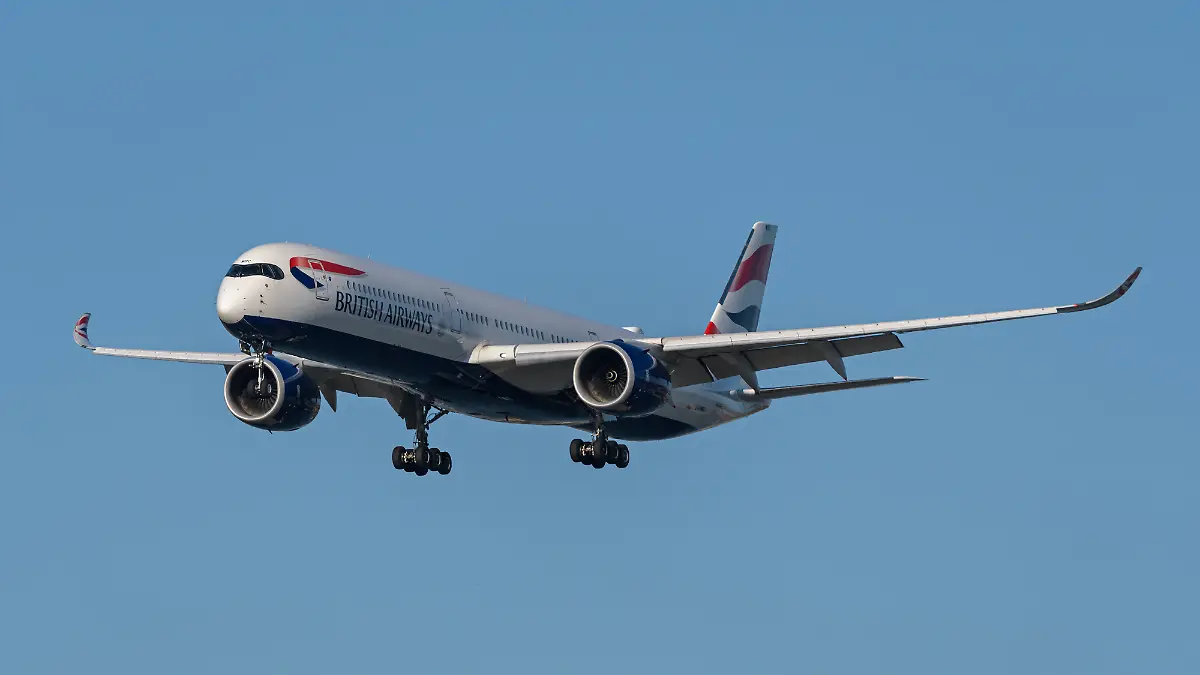
Flight from Hong Kong to London continuedTravelers complain about “bad smell”! Crew stores dead passenger in galley for over 13 hours
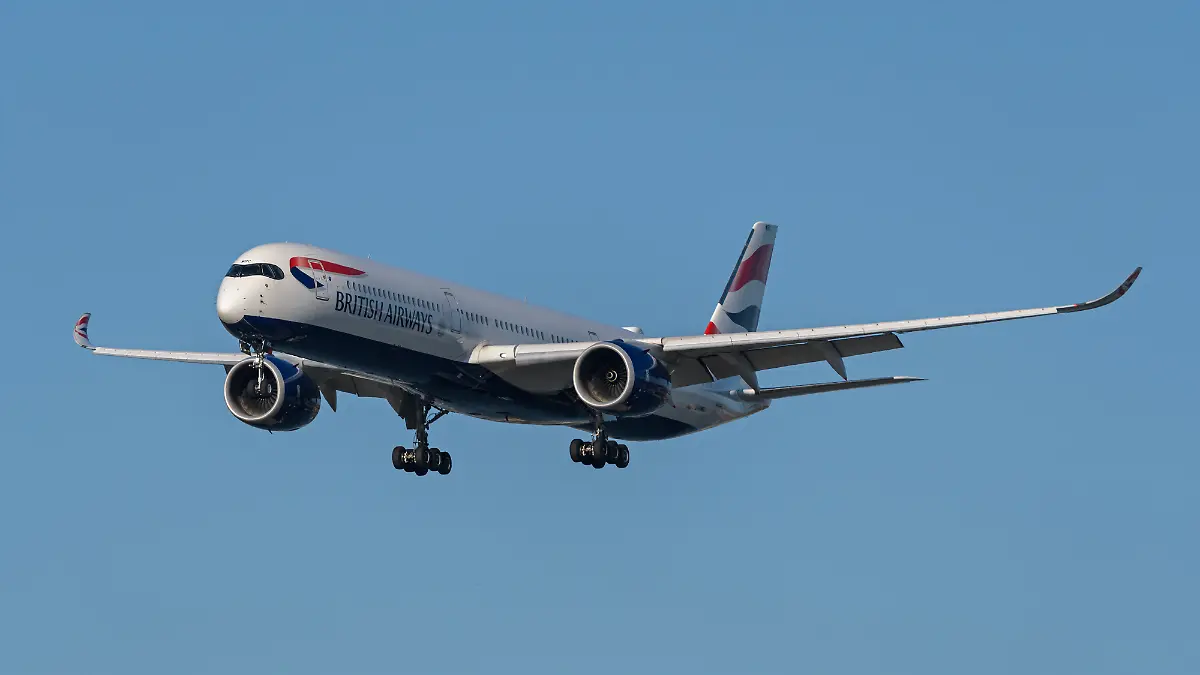
A death occurred on a British Airways flight (symbolic image)
picture alliance / ZUMAPRESS.com | Bayne Stanley
It literally stank to high heaven!
When British Airways flight BA32 took off from Hong Kong on Sunday (March 15), everything was still fine. But around 30 minutes later a tragic incident occurs: a passenger dies. Instead of turning around and unloading the body, the crew decides to continue flying.
Crew continues 13.5 hour flight with body on board
According to The Sun, the deceased passenger was said to be a woman in her 60s. “The woman's family was of course completely distraught, and so was the crew,” the newspaper quoted a source as saying. “Many wanted to return to Hong Kong. But to be clear: If a passenger has already died, it is not considered an emergency.“Nevertheless: Since the plane had just taken off, there were still around 13.5 hours of flight ahead of the passengers and crew.
A discussion arose between the pilots in the cockpit and the flight attendants about “what should be done with the body”. “The flight deck’s suggestion that she be locked in a toilet was rejected by the crew,” it continued. “So they had to isolate the body, wrap it in material and take it to a galley at the back of the plane.”
Reading tip: Mystery about deaths on holiday planes! Fellow passengers claim she was brought on board already dead
Body lay on underfloor heating – passengers complain about “bad smell”
But this decision would later take revenge. The source continued: “The galley had a heated floor, which some crew members had overlooked, and towards the end of the flight there were complaints of a foul smell in that area.”
Nevertheless, another source would have praised the crew for their handling of the situation. After all, there is no uniform procedure for dealing with a death on board. British Airways has not received any official complaints.
A statement from the airline said: “All procedures were properly followed.” And: “Our thoughts are with the woman’s friends and family.” According to The Sun, the crew was also offered support from their superiors to deal with the incident.
Recommendations from our partners
Former flight attendant explains: These rules apply in the event of a death on a plane
Fortunately, it is rare for a passenger to die during a flight. Nevertheless, the possibility exists and crews are therefore prepared during their training on how to act in such an emergency. I worked as a flight attendant for seven years and have therefore completed such training several times.
Reading tip: Did you know what these airplane rules are for?
For example, you learn how to resuscitate a person and how to use a defibrillator – both in theory and in practice. For minutes, an emergency situation that could occur on board is recreated using a dummy. Interesting: Flight attendants are not allowed to determine death, only a doctor can do that. If an affected crew is lucky, one of them is on board and can determine certain death; if not, then the flight attendants – if in doubt with the help of other passengers – must carry out life-sustaining measures until a doctor on the ground can determine death. And that can take a long time, depending on where the plane is.
And what happens if a doctor determines that a passenger has died during the flight? The crew then has to decide how to proceed. “Whether the crew decides to make an unscheduled landing or continues the flight due to other external factors depends on the respective situation,” explained Eurowings.Press spokesman Florian Gränzdörffer in an earlier RTL interview. “Weather, fuel, clearance from air traffic control or, for example, the support capacity at the selected airport all play a role here.”
By the way: There is actually no set place where a deceased person can be placed on a plane. The idea is to keep the dead passenger as isolated as possible from the rest of the passengers, but still show him the necessary respect. If there is no free space on the plane – such as a completely free row of seats – it may also be that the corpse remains in its seat.
Source used: The Sunown RTL research