ruth901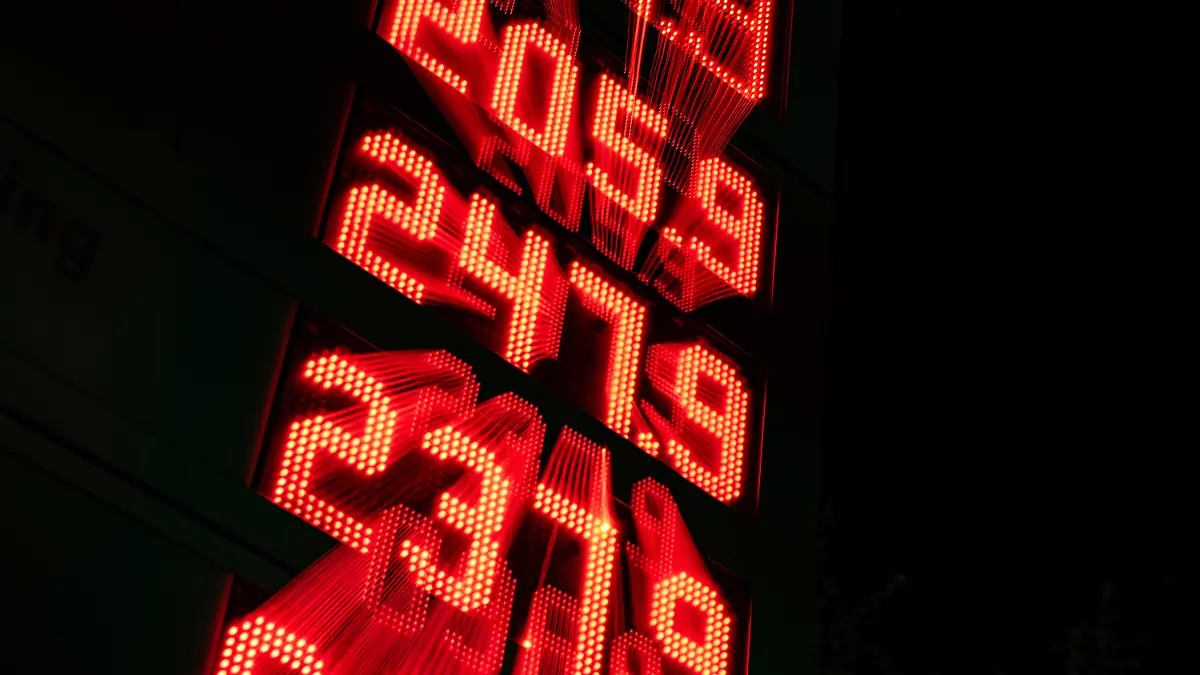
Drive less, save more?Because of the oil crisis: Energy experts suggest drastic auto measures
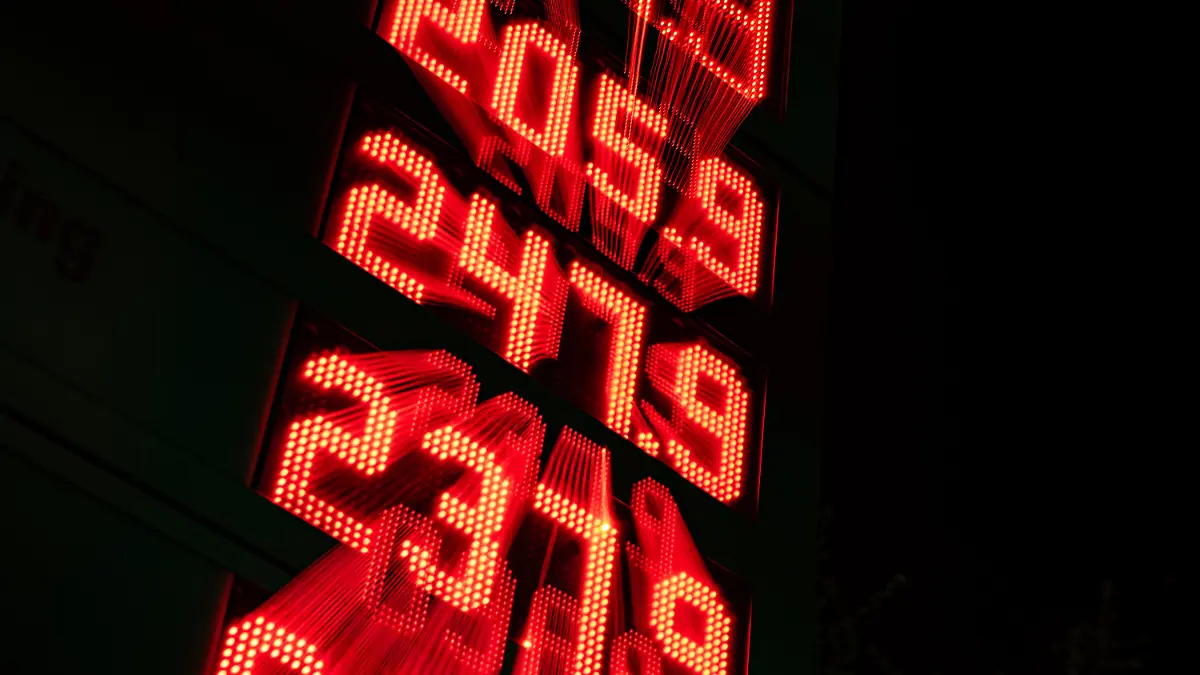
Fuel prices are rising at gas stations.
picture alliance / Bonn.digital / Marc John
One consequence of the Iran war is rising fuel prices. But how can we respond to the energy crisis? The release of oil reserves alone is probably not enough. An international agency recommends, above all, leaving your car behind.
In view of the oil crisis resulting from the Iran war, the International Energy Agency (IEA) recommends measures to reduce oil consumption. The IEA in Paris said the recommendations for mitigating the crisis focused on transport, which accounts for 45 percent of oil consumption.
More home office, lowering the speed limit on roads and switching to public transport could reduce fuel consumption. For example, cars with odd and even number plates could be allowed to enter major cities on a daily basis, which would reduce traffic jams and fuel consumption, according to the IEA. Additional savings could be achieved through car sharing, more efficient driving and improved efficiency in freight and delivery transport.
Avoiding air travel can also reduce oil demand during the crisis, the IEA said. Where possible, industry could try to switch to alternative raw materials as an energy source. Governments could lead by example through regulatory measures and targeted incentives, focusing support on the consumers who needed it most. Experience from previous crises showed that targeted support mechanisms are more effective than broad-based subsidies.
The IEA member countries have started releasing strategic oil reserves in order to stabilize the markets that have been strained by the war. However, this alone cannot fully compensate for the extent of the disruption, the IEA explained. Demand management is a crucial and immediately effective tool to ensure secure energy supplies and reduce pressure on consumers.
Sources used: ses/dpa