ruth901
Sustainable & super cheapGet rid of expensive vinegar! This is how you conjure it up yourself from leftovers
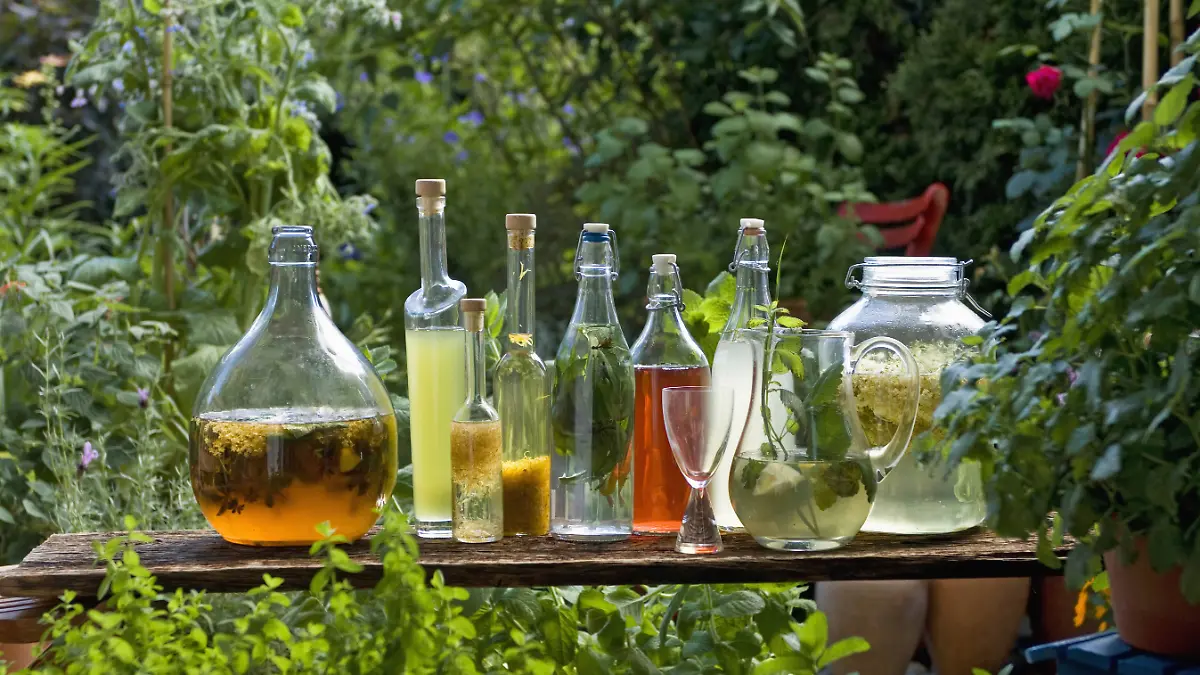
Making vinegar is simple, but takes some time.
imago/Westend61 / imago stock&people
Whether from wine, apple juice or leftover fruit: vinegar can also be made at home. With an alcoholic base, some organic vinegar as a starter and patience, an aromatic house vinegar is created.
Whether from wine, apple juice or even leftover fruit: making your own vinegar is easier than many people think. At the same time, it is sustainable, cheap and a good way to reuse leftover food sensibly. With a little patience, an aromatic house vinegar is created that is perfect for salad dressings, marinades or pickling.
How is vinegar even created?
Vinegar is created through fermentation. Yeasts first convert sugar into alcohol. So-called acetic acid bacteria then ensure that alcohol turns into acetic acid. For this second step, the mixture primarily needs oxygen and time.
If you want to make vinegar yourself, you always need an alcoholic base – such as wine, beer or fermented fruit juice.
Which ingredients are suitable?
Particularly popular are white wine or red wine, apple cider or cider, beer, fruit juice and leftover fruit such as apple peels or berries. To make a simple apple cider vinegar, apple peels and cores can be mixed with water and a little sugar. After a few weeks, this first produces alcohol and later vinegar. It is important to work cleanly and only use fresh fruit without mold.
You will also need a large glass jar or bottle with a wide mouth, a clean cloth, a rubber band and some unfiltered organic vinegar or a “vinegar mother” as a starter. The so-called vinegar mother is a gelatinous layer of acetic acid bacteria that can form during fermentation. It is completely harmless and can even be used for other vinegar preparations.
Make vinegar from wine yourself: step by step
First you have to prepare the base: pour the wine into a clean glass vessel. Important: Only fill the container about two-thirds so that enough oxygen reaches the liquid.
Add a few tablespoons of naturally cloudy organic vinegar. This contains live acetic acid bacteria and accelerates the process. Cover the container with a kitchen towel and secure it with a rubber band. This means air gets in, but no fruit flies.
Place the base in a warm, dark place. Temperatures between 20 and 30 degrees are ideal. After about two to six weeks, the vinegar will begin to smell and taste noticeably sour. Once the desired taste has been achieved, filter the vinegar through a fine sieve or cloth and pour into clean bottles.
How long does homemade vinegar last?
Because of the acid it contains, vinegar has a very long shelf life. Stored in a cool, dark place, it usually lasts for several months to years. Over time, a mother of vinegar may form again – this is normal and not a sign that the vinegar has gone bad.
Sources used: awi/spot