ruth901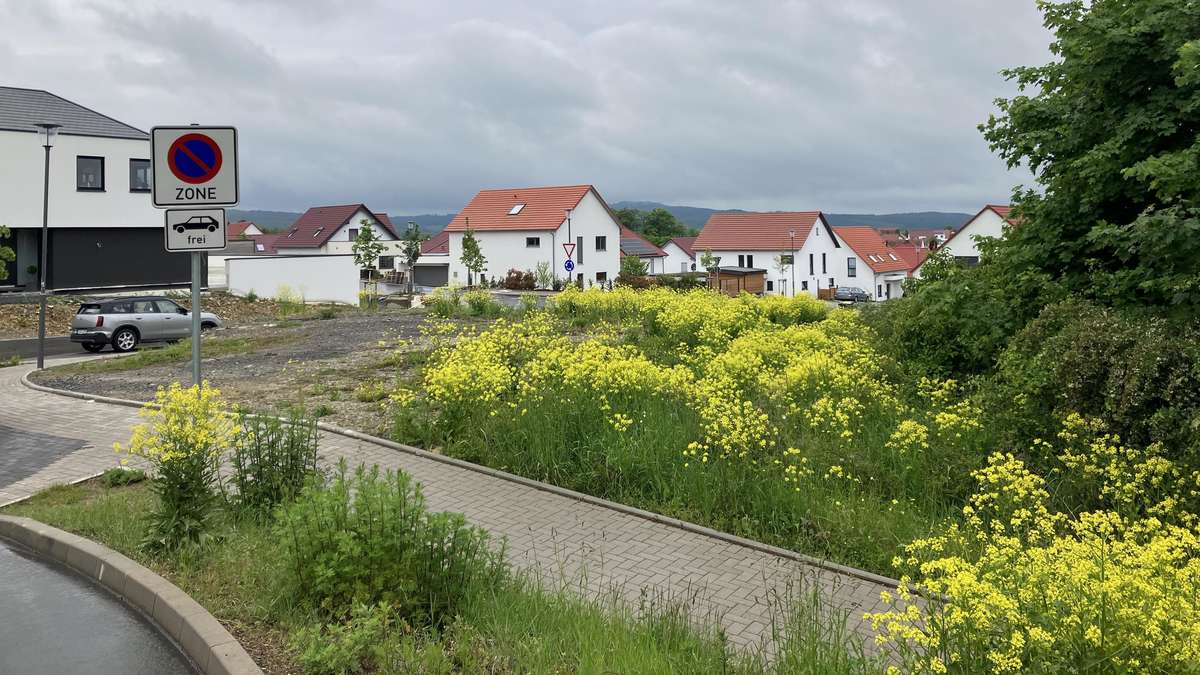

The oriental jag is spreading rapidly in the Hünfeld region and is threatening local biodiversity and agricultural yields.
Hünfeld – The oriental jagger is spreading in the region and threatening the local biodiversity in gardens, landscapes and agriculture. As the city of Hünfeld reports, the invasive plant also leads to noticeable reductions in yields on agricultural land, which is why consistent control is recommended in order to contain further spread.
Since the seeds of the Zackenschötchen are very resilient and can often survive in compost or organic waste for several years, the plants should be cut deep and disposed of with household waste – under no circumstances in the organic waste bin. Although the plant does not pose an immediate danger to humans or animals, its widespread expansion displaces native species and thus reduces biodiversity with consequences for flora and fauna, according to the town hall.
Jagged pods in the garden: This is how you get rid of the invasive plant
The yellow-flowering Zackenschötchen is easily confused with rapeseed or field mustard, but according to the city administration, it has a few characteristics that allow even laypeople to identify it with certainty: The numerous petals are lemon yellow and around five to eight centimeters large. The leafy green forms rosettes with arrow-pointed, pinnate leaves that reach a length of up to 40 centimeters. The fully grown, perennial plant can grow up to 170 centimeters high.
Particular attention is paid to the beet-like roots, which can reach up to a meter deep into the ground. According to the city administration, in order to prevent renewed sprouting, it is necessary to continuously and as completely as possible prune out the plants and thus also prevent root residues from sprouting again.
Meanwhile, the Hünfeld public utility company is committed to conserving resources. The indoor pool water is used for irrigation. An environmentally friendly contribution to saving water.