ruth901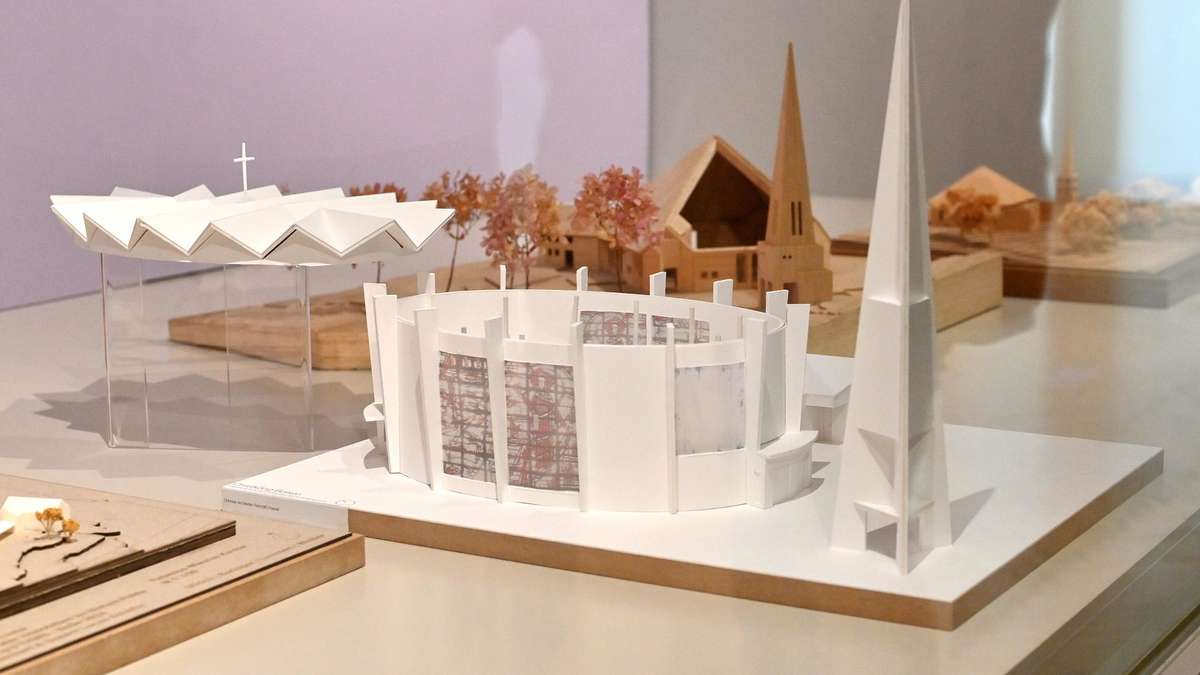

A new exhibition in the Fulda Cathedral Museum is dedicated to more than 200 churches and chapels in the diocese built after the war. The presentation, which runs until January 10, 2027, will shed light on the origins, significance and future of these buildings.
Fulda – More than 200 churches and chapels in the diocese of Fulda that were built after the war are the focus of a new special exhibition in the Fulda Cathedral Museum. Under the title “Between departure and demolition. Church buildings in the Diocese of Fulda since 1946” it will shed light on the origins, meaning and future of these buildings until January 10, 2027. The reasons include: Hesse day in Fulda and the 80th anniversary of the state of Hesse, as the diocese announced.
New exhibition looks at church buildings in the diocese of Fulda
Between 1946 and 1969, over 200 churches and chapels were built in the Diocese of Fulda to provide places of worship and community life for the many Catholic expellees, refugees and evacuees from regions such as Silesia, East Prussia, Pomerania and the Sudetenland. The exhibition shows historical photographs, plans, documents and exhibits; According to the diocese, some pieces were brought by displaced persons from their regions of origin. The show is supplemented by contemporary witness interviews and an online catalog with information on more than 260 church buildings in the diocese of Fulda.
The focus is on the so-called post-war churches, their architecture, their artistic design and their meaning for the local people. The diversity of structural and artistic solutions that emerged in the decades after 1945 becomes visible. The curators Astrid Schlegel from the Art, Culture, Museum of the Diocese of Fulda, the art historian Dr. Johanna Anders and the editor, art and architectural historian Dr. Verena Smit classified the church buildings shown at the opening as evidence of ecclesiastical, social and architectural development.

At the same time, the exhibition focuses on current issues. Many congregations are becoming smaller, pastoral structures are changing, and not all church buildings can be permanently preserved in their current form. According to the diocese, this also raises the question of how sacred spaces can be used or rededicated in the future.
Auxiliary Bishop and Cathedral Dean Prof. Dr. Karlheinz Diez thanked the curators and everyone involved at the opening. He pointed out that the construction of many churches after 1945 was closely linked to the experience of war, flight and expulsion. For many people back then, the faith lived as a community meant support and orientation. Numerous church buildings have also been made possible through personal contributions, willingness to donate and the commitment of the communities. Today, many dioceses are faced with the task of taking a new look at familiar church structures and buildings.
Current questions about the preservation, use and future of church buildings
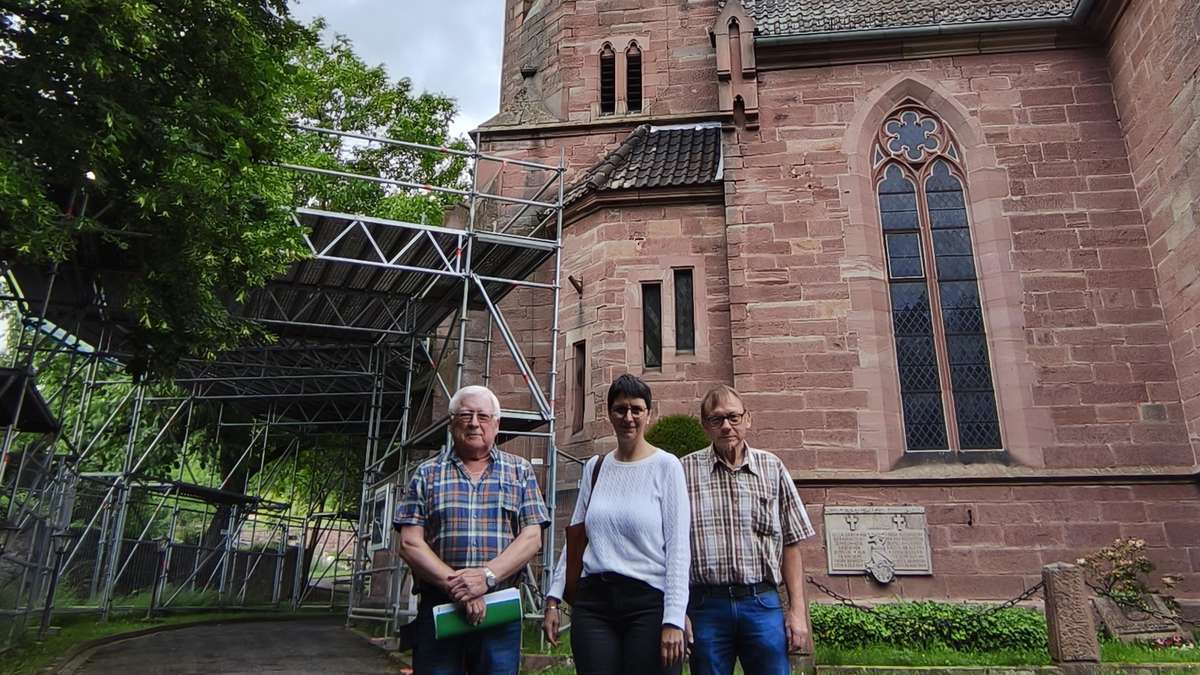
The exhibition uses the Mariae Himmelfahrt Church in Helsa as an example. A former Reich Labor Service barracks was acquired there in 1951 and converted into a church service room for around 500 refugees and displaced persons, later expanded to include a sacristy and community room. The Wegkirche is one of the preserved Pius churches in northern Hesse, but was profaned by decree of September 14, 2025 and has now been sold. The remaining Catholics now use the local Protestant church in an ecumenical community.
According to the diocese, the exhibition was also created in connection with the Hesse Day in Fulda and the 80th anniversary of the state of Hesse. It combines a historical review with current questions about the preservation, use and future of church buildings. It becomes clear that church buildings are always influenced by social and ecclesiastical developments: Many of the churches built after 1945 were an expression of new beginnings, a homeland and growing community life, but today they face new challenges – from continued use to preservation and possible re-dedication.

The diocese of Fulda’s real estate strategy is based on these questions. As the diocese reports, it is currently being presented in the future 28 parishes and advised on site. Committee members and full-time employees are informed about basic ideas, funding categories and future framework conditions for buildings and construction measures. The aim is to develop viable perspectives for church buildings; If this is not possible, sale and profanation may become necessary.
The vernissage was musically designed by Dino Wurtinger and Berthold Möller. The special exhibition “Between departure and demolition. Church buildings in the diocese of Fulda since 1946” can be seen in the Fulda Cathedral Museum until January 10, 2027.