ruth901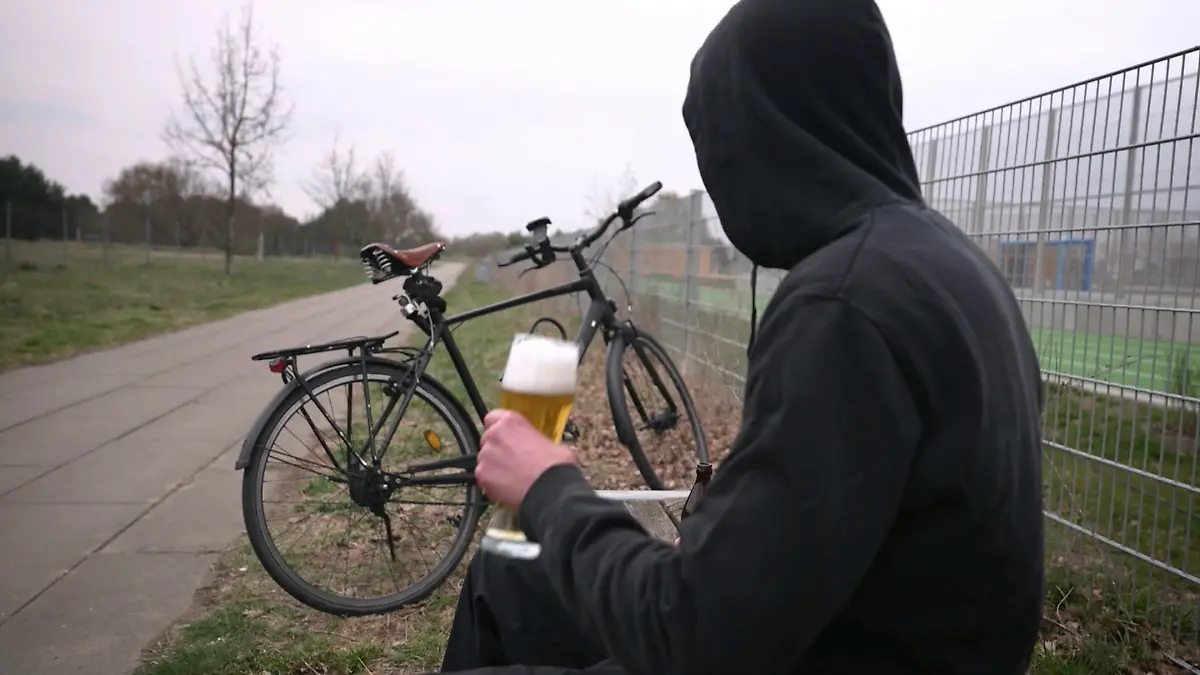
RTL clarifiesCycling myths checked – are cyclists allowed to drink alcohol or weave past cars?
Cycling home after five beers? Not a good idea!
With more sun, longer days and higher temperatures, the number of cyclists is also increasing. But how well do you know the traffic rules? Some assumptions persist. Some are half right, others can be really unpleasant. Time for a fact check!
Bicycle myth #1: Are cyclists allowed to push past drivers?
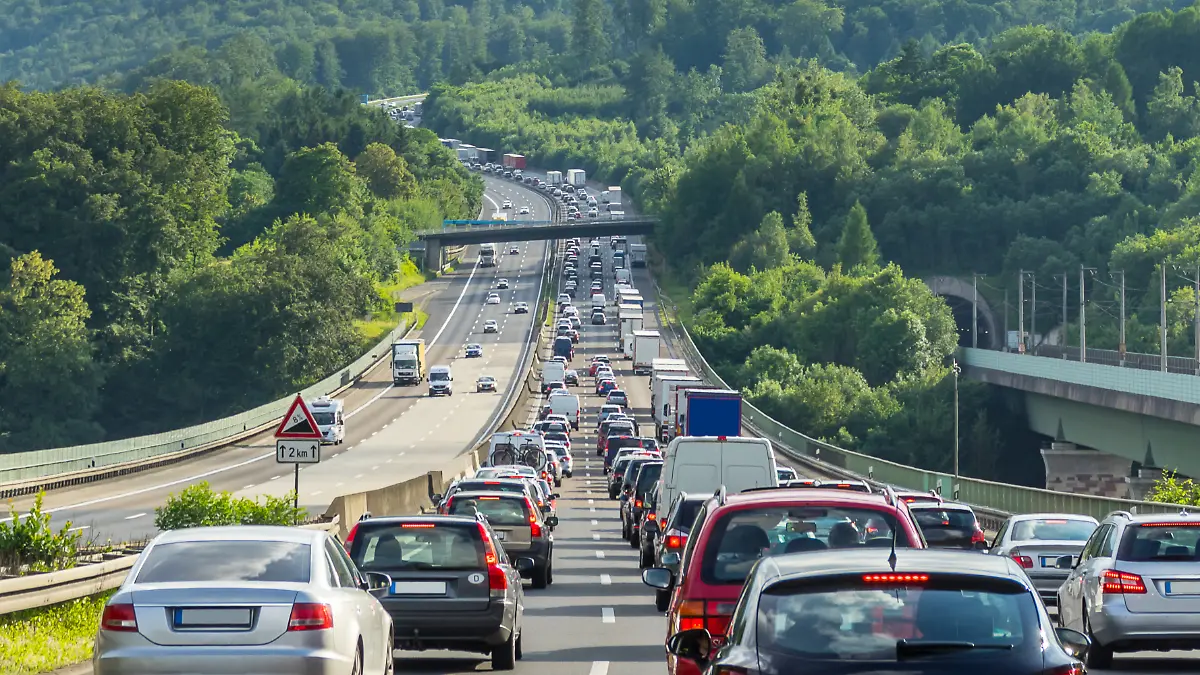
Yes, but only under certain conditions. Cyclists are allowed to drive slowly past stationary cars. If the line of cars starts moving again, it is no longer allowed. There also needs to be enough space. According to a traffic lawyer, there needs to be a distance of one meter between the car and the right curb so that cyclists can pass safely.
Cycling Myth #2: Can cyclists ride in the opposite direction on one-way streets?
No, not in principle. Cyclists are only allowed to ride against the direction of travel on a one-way street if a sign expressly allows this. If this release is missing, the prescribed direction also applies to them. If you still drive in the wrong way round, you risk a fine of 20 to 30 euros.
Reading tip: German cyclist killed in Mallorca – Porsche driver gets away with a fine
Recommendations from our partners
Cycling myth #3: Do drunk cyclists have the same blood alcohol limits as drivers?
No. Drivers are considered absolutely unfit to drive if the blood alcohol level is 1.1 per mille or more, and cyclists are only considered unfit to drive if the blood alcohol level is 1.6 per mille. However, alcohol on the bike is not harmless. Anyone who drives while completely unfit to drive is committing a crime. Driving license revocation is possible, and in extreme cases even a prison sentence. So just cycling off after five beers is a pretty bad idea.
Reading tip: Fatal accident on Lake Garda! Cyclist falls during a pee break and is rescued dead from the sea
Are cyclists allowed to ride next to each other? Do you always have to use the bike path? And are parking spaces really only for cars? We also have an answer to these three myths – in the video above!
Sources used: own RTL research