ruth901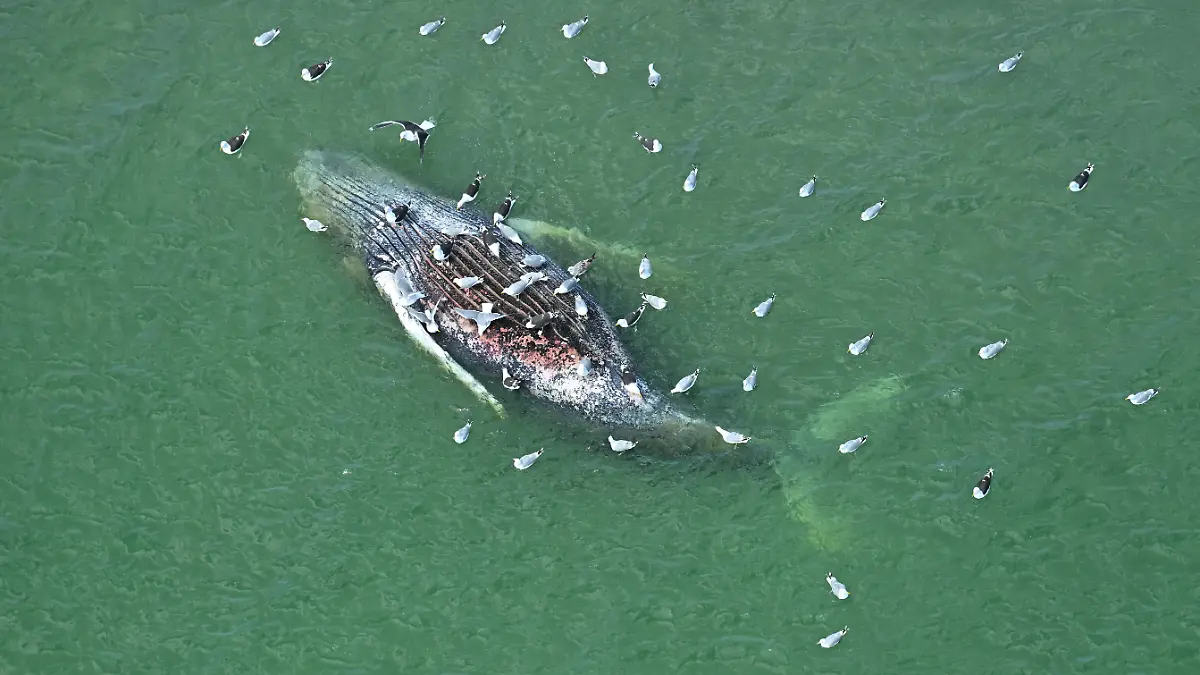
Experts warned against a rescue operationTimmy is dead! What we can now learn from the animal drama
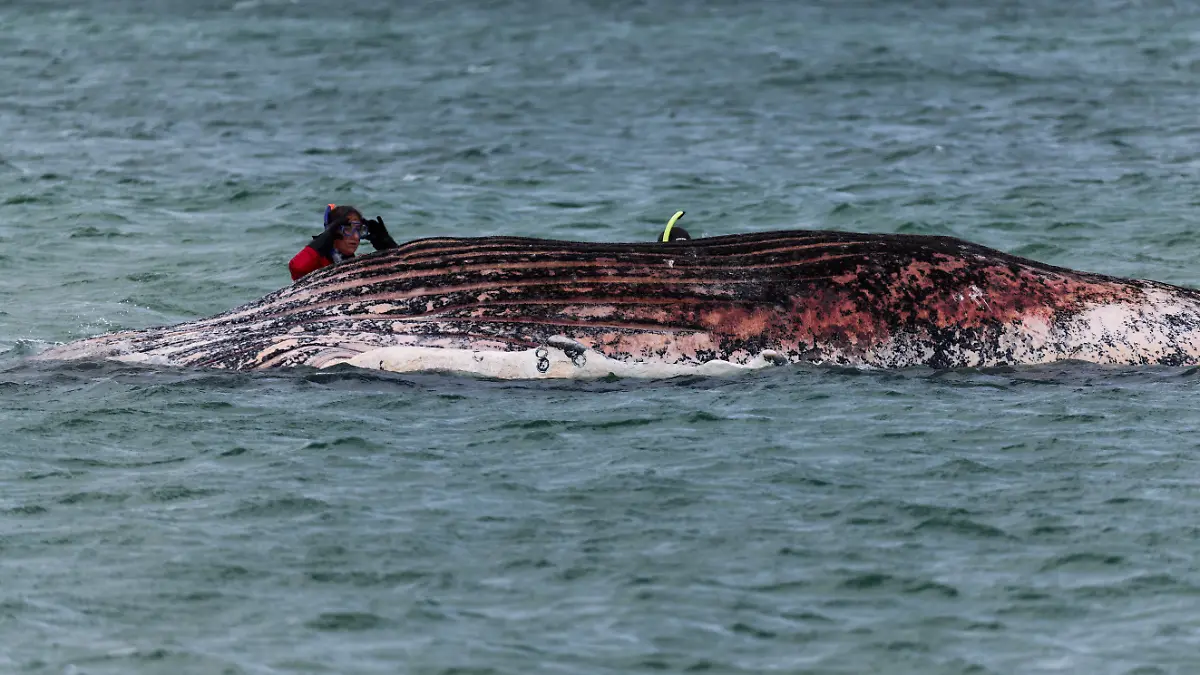
Researchers inspect the dead humpback whale.
picture alliance/dpa / Marcus Golejewski
A stranded humpback whale off the German Baltic Sea coast has been causing a stir for weeks. Now it is clear: the complex rescue operation failed, the animal lies dead off the Danish island of Anholt. Experts explain what remains of the drama.
The humpback whale from the Baltic Sea is dead. There was no successful rescue for the animal, which was stranded several times and dominated the headlines for weeks. Experts had advised against transporting the whale and assessed the weakened animal's chances of survival as low. But what remains of the case? And what can be learned from it?
Thilo Maack from Greenpeace and the whale researcher and co-founder of the non-profit whale and dolphin protection association “MEER”, Fabian Ritter, draw attention to the countless whales that end up as bycatch in fishing nets and die there in agony. “What is taking place in our seas is an exodus that, in terms of the number of animals killed or animals dying, can easily rival the whaling era. So these are larger numbers of victims than at the peak of brutal whaling,” says Ritter. “To think through this, to consider what is causing it, namely fishing, and how to deal with it, that is the need of the time.”
Maack also hopes that the individual fate will bring more attention and energy to protecting the oceans. Destructive fishing methods in marine protected areas, such as the use of gillnets, must be banned, explains the biologist. This is still legal today in Germany and many other countries and is also defended by Mecklenburg-Western Pomerania's Environment Minister Till Backhaus. “And of course that shouldn’t be the case,” says Ritter.
Greenpeace expert Thilo Maack said it would make sense for Germany to develop a standard protocol on how to deal with whales becoming stranded in the future. Whale researcher Boris Culik had previously made similar comments. Countries such as Denmark, the Netherlands and Great Britain have laid down plans on how to proceed in the event of whale strandings.
In the whirlwind surrounding the whale, biologist Ritter himself has become the target of threats and agitation – as have many experts who took a position against the private initiative's plans. The debate about the marine mammal raged on social media, sometimes in a harsh tone.
In compassion for the suffering whale, compassion for one another was thrown overboard or at least temporarily forgotten, criticizes Ritter. “Personally, I would like us as people to reflect again on how we treated each other and with each other, how much defamation, hate speech and threats, including even death threats, were almost the order of the day.” In today's discourse, it is obviously unbearable for many to tolerate other opinions. “We can learn a lot from this case,” says Ritter.
Sources used: ses/dpa