ruth901
Did you know?May 10th is Mother's Day again! Seven facts about moms' special day

May 10th is Mother's Day! (symbol image)
ppl fpt mjh vfd cul, dpa, Patrick Pleul
It's almost that time again!
May 10, 2026 is Mother's Day. Did you know that there are some interesting and sometimes even strange facts about Mom's Honor Day? How old was the youngest mother in the world? And in which country do mothers give gifts to their children on Mother's Day? We'll tell you!
Fact #1: Mother's Day brings high sales to florists
By far the most popular Mother's Day gift is a beautiful bouquet of flowers. The classic gift makes up around 59 percent of the souvenirs for German mothers on their special day. For florists, this not only means a lot of work, but above all high sales. Florists generate an average of 120 million euros in the week before Mother's Day.
Fact #2: Popular pet names for mothers

Mom is still a popular pet name for one's own mother (symbolic image)
Getty Images, Xesai
What do you actually call your mother? For half of Germans, this is clearly the most popular pet name, “Mama,” while around a third say “Mutti.” The latter is particularly popular in the East. The two nicknames “Mother” (nine percent) and “Mami” (five percent) land a little further back.
Fact #3: Good sons on Mother's Day
In Germany, 80 percent of daughters and sons give their mother a gift on the holiday. On average, men are more generous than women: a good third of them dig deeper into their pockets for their mother on Mother's Day than they do for their partner Valentine's Day.
Video tip: Order flowers online – RTL tests six providers
Fact #4: Fewer gifts on Father's Day
Spending on Mother's Day amounts to over 850 million euros in Germany. On Father's Day On the other hand, the Germans are more economical with 700 million euros. Only 40 percent give gifts to their fathers.
The story of the man's day of honor, however, is already 4,000 years old. Archaeologists found a greeting card from a Babylonian child wishing his father health. The words were carved into a clay tablet.
Reading tip: The history of Mother's Day – and how it came to Germany
Fact #5: International traditions
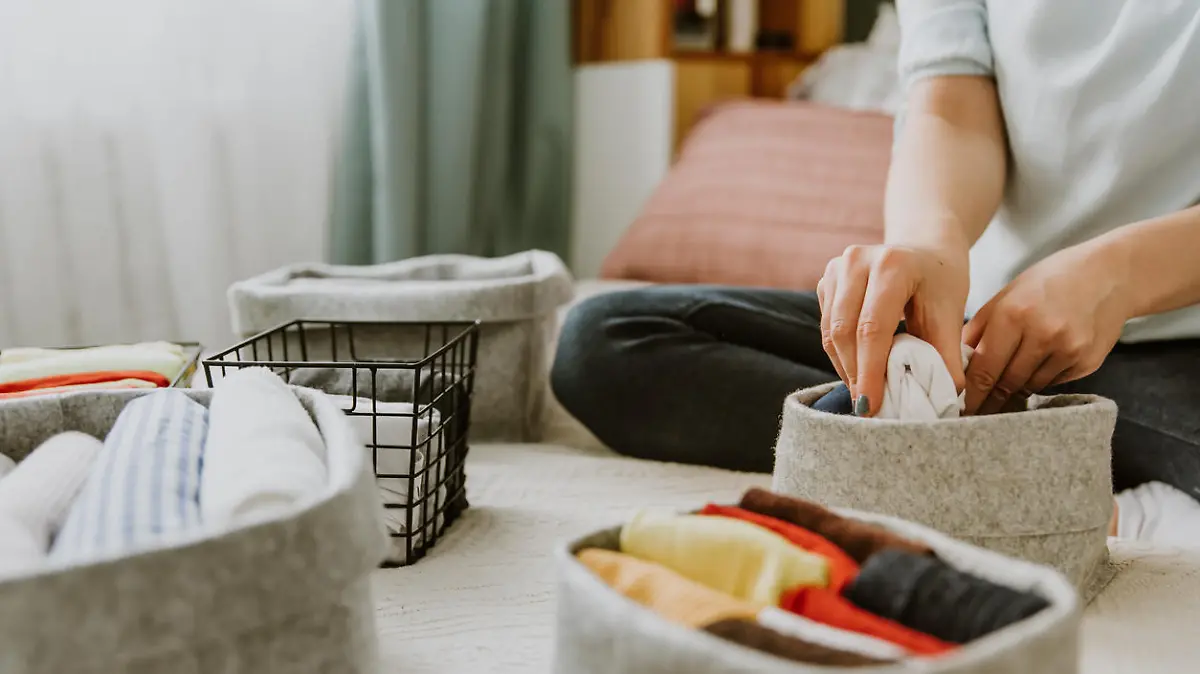
On Mother's Day people often help around the house. (symbol image)
Damian Lugowski (Damian Lugowski (Photographer) – (None)
While in German-speaking countries you help your mother as much as possible around the house on this day, in Serbia you live one extraordinary custom: The mothers have to buy sweets for their children and have a negotiation with them on Mother's Day. The children tie their feet together and pay their charges with sweets so that they can be released.
In Mexico the children sing songs and in Great Britain they bake the so-called “Simnel Cake” for their mother.
Fact #6: The National Socialists misused Mother's Day for their propaganda
Originally promoted by the Association of German Flower Shop Owners, the National Socialists soon misused Mother's Day for their own propaganda purposes. They paid particular attention to mothers, as they corresponded to the ideal image of women and promoted the “Aryan offspring”. Mothers with a particularly large number of children were awarded the Mother's Cross, popularly known as the “Order of the Rabbit”, because of their special “childbearing achievements”.
Reading tip: These six baby myths come from the Nazi era
Fact #7: Too commercial? Anna Marie Jarvis wanted to abolish Mother's Day
To honor her own mother, the American Anna Marie Jarvis sought to establish Mother's Day as a holiday in 1907. Her idea was well received not only in the United States, but inspired countries around the world to establish a day to honor mothers. With the increasing success and commercialization of Mother's Day, Anna Marie Jarvis no longer liked the idea and even tried to ban “Mother's Day” in court. However, their application was rejected.
Note: This article first appeared in May 2024.