ruth901
How much relief does the driver get? Fuel discounts are having an impact – that’s how expensive petrol and diesel are now
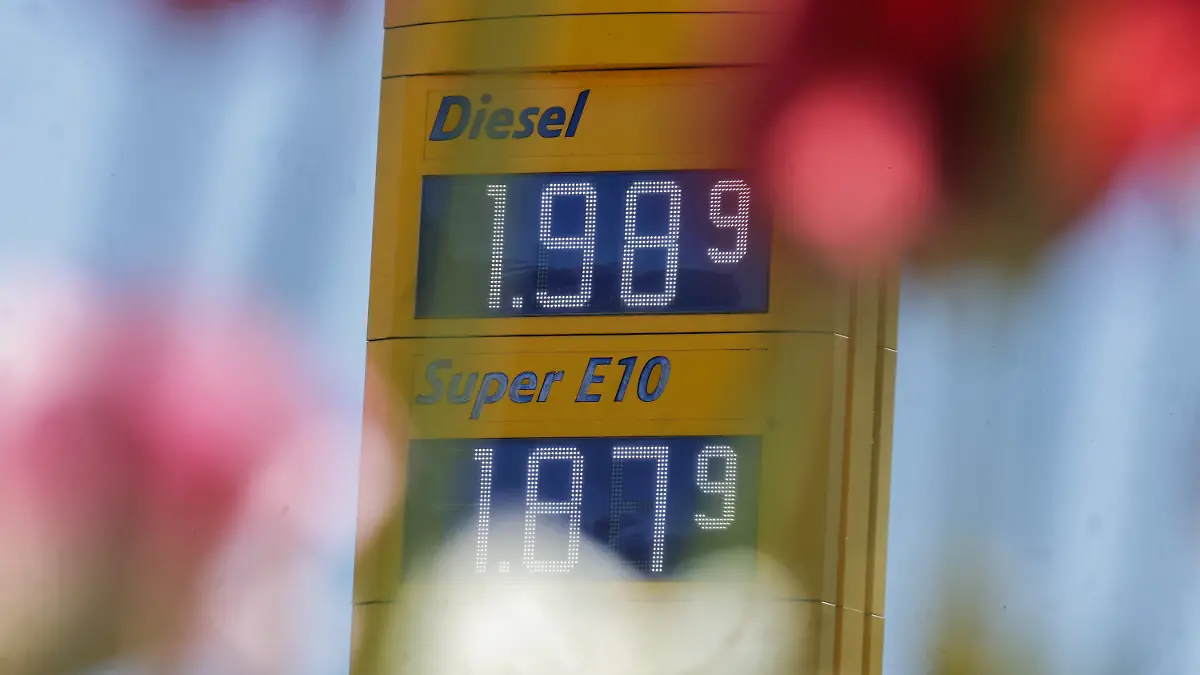
The fluctuations between gas stations are sometimes considerable.
picture alliance/dpa / Thomas Warnack
The price of petrol and diesel has been going up and down since the beginning of March – but the trend is clearly upwards. The federal government wants to help and decides on a controversial step: a fuel discount. It is now in force – and works, reports the ADAC.
Even though petrol and diesel have increased in price by a good 12 and 13 cents respectively at lunchtime, the fuel discount is having an ever-increasing effect. At 12.15 p.m. – directly after the usual midday jump – according to ADAC, a liter of Super E10 cost 2.076 euros again, but that was 15.8 cents less than at the same time on Thursday. For diesel, the price jumped to 2.177 euros per liter – 16.2 cents less than at the same time on Thursday. All figures refer to nationwide average values; individual gas stations can differ significantly.
Vice Chancellor Lars Klingbeil also sees the relief measure as a success on the first day of the fuel discount. “All the reports I received were that fuel prices had fallen, but of course we will monitor it very closely,” said Klingbeil RTL/ntv in Bergkamen. He called on the oil companies to pass on the fuel discount to consumers for the entire two months. “I have a clear expectation that the 17 cents will be passed on.” The oil companies now have a duty, said Klingbeil. Antitrust law has been tightened.
When asked what will happen when the fuel discount ends with prices remaining high, Klingbeil referred to the negotiations in Iran. It is hoped that a peace solution will be reached and the Strait of Hormuz will be opened. “But we have to wait and see, and then the government will be able to make new decisions at any time if necessary.” But this is speculation. “Today I can’t say: this or that direction will go if it becomes necessary,” says Klingbeil.
Since the introduction of the 12 o'clock rule, fuel prices have developed a typical daily pattern: at midday, with the only permitted increase of the day, they jump sharply – most recently by more than 15 cents. After that they sink relatively quickly until the evening and then again the next morning. If this trend continues to apply, at least E10 should cost less than 2 euros per liter again on Saturday morning, perhaps even on Friday evening. For diesel, this could apply to at least some of the gas stations on Saturday morning.
On Friday, the nationwide average price for Super E10 fell to 1.955 euros per liter at its lowest point before the midday jump. For diesel up to 2,044 euros. The recently slightly lower oil price could also have helped.
Since midnight, a tax discount of 16.7 cents per liter has been in effect on fuel that is newly delivered to the gas stations. This is apparently increasingly passed on at the petrol pumps as the day progresses – as long as you compare the prices with those at the same time the previous day. At 8 a.m. the prices were just over 10 cents lower than on Thursday. It was previously expected that prices would only gradually fall.
Sources used: als/dpa