ruth901
Does kindness pay off here too?Many people believe that if you say “please” and “thank you” to AI, you will get better answers
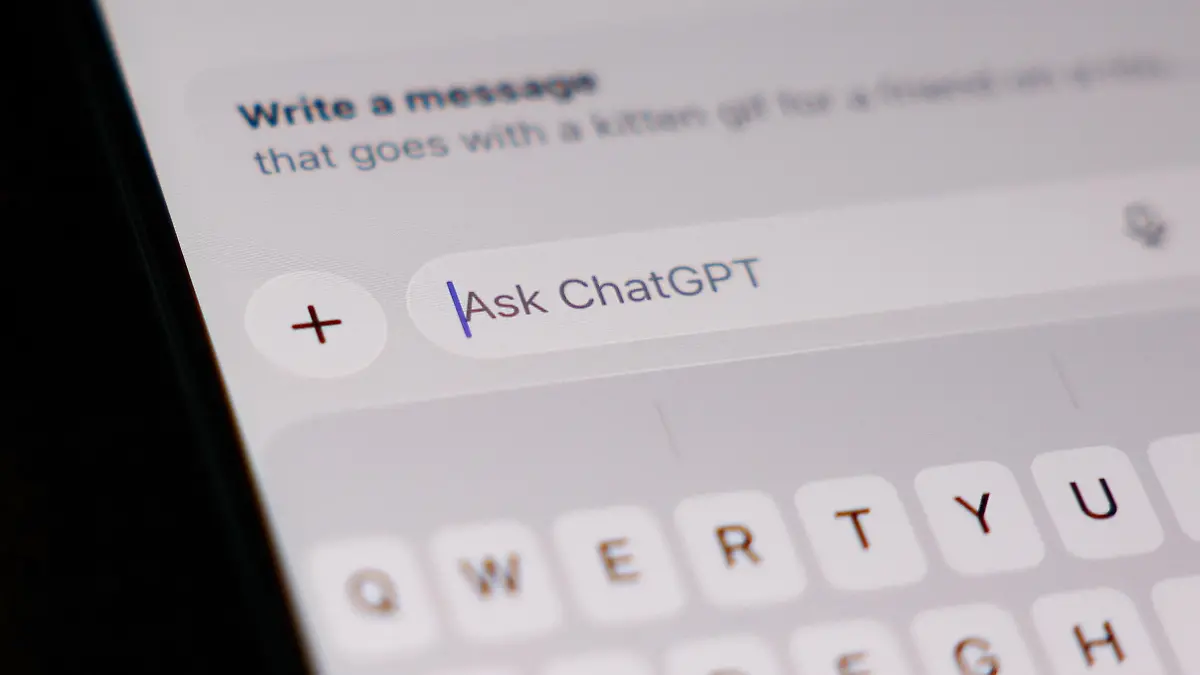
What good do polite phrases really do in AI? (symbol image)
picture alliance / NurPhoto | Jakub Porzycki
86% of office workers are polite to AI!
This is what a new study has found. The survey of 2,000 US office workers who use AI found that two-thirds believe it is important to treat AI with courtesy. 27 percent even say “please” and “thank you” every time they use it.
Is politeness the key to the quality of AI answers?
One respondent in the study believes that politeness is key because “the AI is more likely to answer correctly when you use words like 'please' – even if the request is not particularly well worded.” Others see it as a question of their own character: “I don’t want to get into the habit of being rude even to a robot – that could spread.” Several respondents also believe that politeness actually improves the quality of AI answers. “The AI learns from me – I want it to adopt my manners,” explains one of the participants, as the New York Post writes.
Reading tip: Deadly AI conversations! 19-year-old dies after a tip from ChatGPT
In the video: ChatGPT for relationship tips
Recommendations from our partners
This is what the AI expert says about it
One result of the US study: 64% of all employees say that it is important to treat AI with respect. But what does improved results mean? Does kindness pay off? “If you look at the data, AI politeness is not about the AI itself, but about the user. Employees who say “please” and “thank you” pay attention to tone, context and precision and therefore achieve significantly better results. Politeness signals that someone has recognized that AI is not only executable, but also responsive,” explains Ana Riabova, AI growth expert in the study.
Reading tip: ChatGPT as a psychologist? This is how much our brains change when we ask AI for relationship tips
AI tends to be viewed as female
Additionally, the study shows that 41% of all respondents view AI as a tool. 23% see AI as a person. Of those who assign a gender, 14% choose “female” and 11% choose “male.”. What role does AI play among the study participants surveyed and where is it most used? Most common tasks: Summarizing documents (53%), brainstorming (37%), writing emails (31%), analyzing data (22%), coding (20%).
Reading tip: Head of ChatGPT: Journalistic sources are more reliable than AI
And: 64% of all office workers would probably consider AI as a future colleague if it could mimic human characteristics. 5.5 years is the average length of time that executives expect AI to be treated like a human employee. (anr)
Sources used: The AI Directional Deficit Study 2026, Talker Research, New York Post