ruth901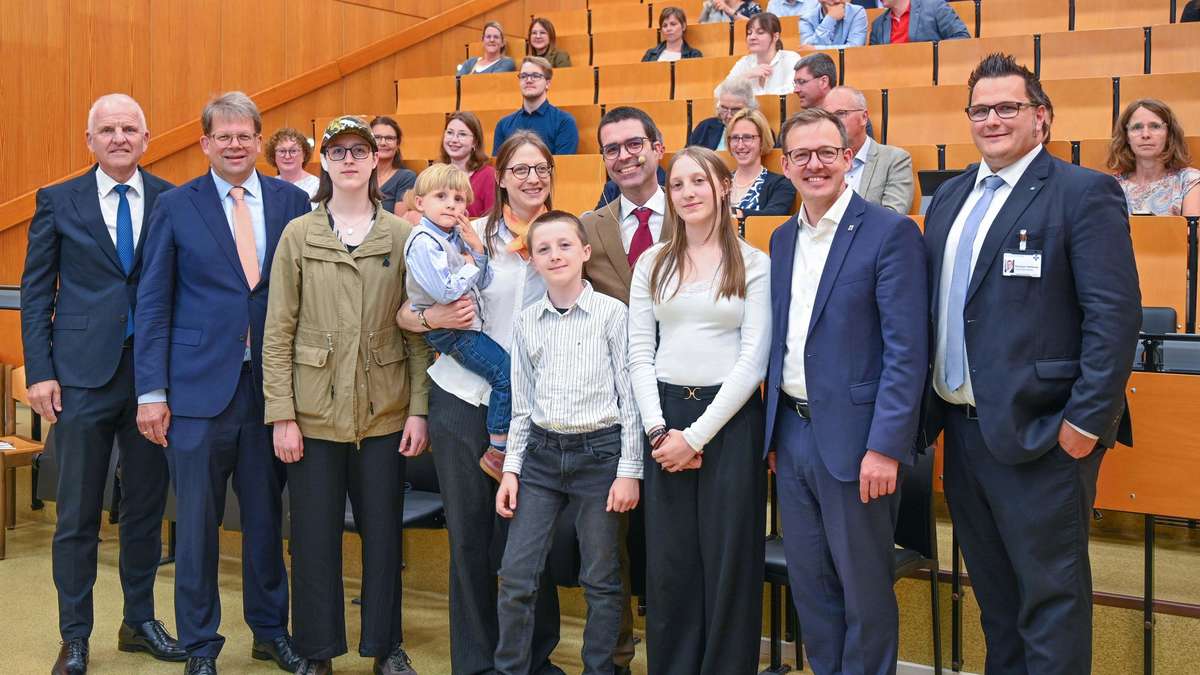

The inaugural lecture by Roland Koch at the Fulda Clinic was about the general medicine of the future between empathy and artificial intelligence.
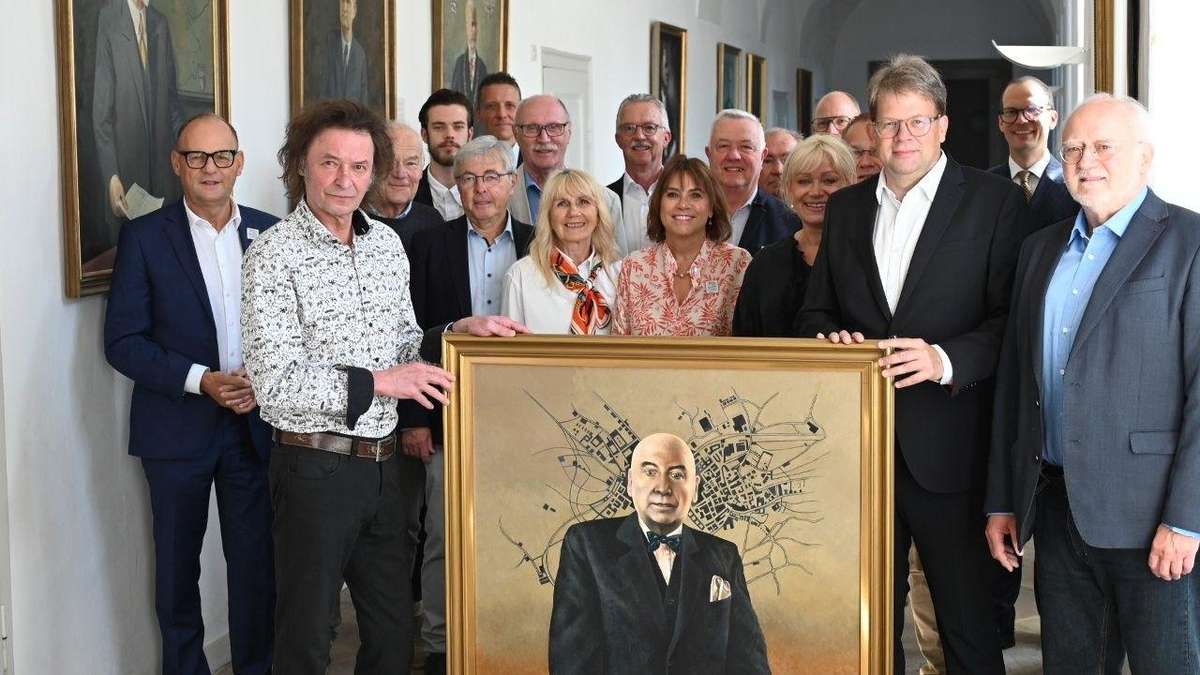
Fulda – Prof. Dr. Roland Koch gave his official inaugural lecture in the lecture hall of the Fulda Clinic. The doctor and scientist has taken over the newly established W3 professorship for general medicine at the Philipps University of Marburg on the Fulda campus on October 1, 2025. In front of numerous guests from politics, science and practice, he outlined his vision of modern, digitalized and at the same time deeply human primary care medical care under the title “Between AI and medical art – ways of general medicine”.
Professor Roland Koch gives the inaugural lecture at the clinic
In his welcome address, Priv.-Doz. Dr. Thomas Menzel, spokesman for the board of the Fulda Clinic, also emphasized the strategic importance of the new professorship on behalf of his board colleague Michael Wilhelm. “We are extremely pleased to have gained Prof. Roland Koch, a scientifically proven general practitioner who defines his subject as a central interface between science, teaching and social responsibility,” said Menzel. The Fulda Clinic pursues the goal of ensuring seamless, high-quality medical care for the people in the region. Koch “will provide important impetus as a modern bridge builder and will make a significant contribution to ensuring this high standard in the long term,” Menzel continued.
According to the Philipps University of Marburg, Prof. Dr. also sent a video message. Michael Hertl, Dean of the Faculty of Medicine, congratulates him. He emphasized the excellent quality of the training Fulda location, where prospective doctors receive interprofessional training on a state-of-the-art campus floor and in close cooperation with Fulda University become.
Mayor Dr. Heiko Wingenfeld (CDU), also chairman of the supervisory board of the Fulda Clinic. “The establishment of this professorship will sustainably strengthen Fulda as a medical location,” explained Wingenfeld. It makes a decisive contribution to training young medical talent directly in East Hesse and thus securing primary care for the future.
From the point of view of the Fulda district, the combination of innovation and regional anchoring is central: “We have to translate innovations directly into regional supply,” emphasized Frederik Schmitt, first district councilor for the Fulda district. Digitalization and artificial intelligence offer huge opportunities, but should never replace the humanistic core of medicine. “Prof. Dr. Roland Koch embodies exactly the bridge builder we need now to master the balancing act between technological progress and empathy between doctor and patient. Together we will actively shape the care of the future in the Fulda district,” says Schmitt.
Between medical art and artificial intelligence
The focus of the evening was Koch's inaugural lecture. As the Fulda Clinic reports, the doctor, who worked together with Prof. Dr. Annette Becker, Prof. Stefan Bösner and Prof. Annika Viniol, the management team of the Institute for General Medicine at the Philipps University of Marburg, explains how medical information can be created and used between medical art, digitalization and artificial intelligence. “People come to the practice not only for diagnoses and findings, but also to understand what their illness means for them,” said Koch. “Modern digital methods must create freedom for this type of encounter.”
According to Koch, he sees general medicine as a central interface between scientific knowledge, teaching and social responsibility. Young medical professionals benefit from state-of-the-art learning conditions, particularly at the Fulda campus. These include simulation rooms with mock patients in which general medical diagnostics and interviewing are practiced in a practical manner.
After the official program, the guests took advantage of the celebratory conclusion to the evening to exchange ideas about the ideas for the medicine of the future and to discuss the role of general medicine in the area of tension between empathy and artificial intelligence.