ruth901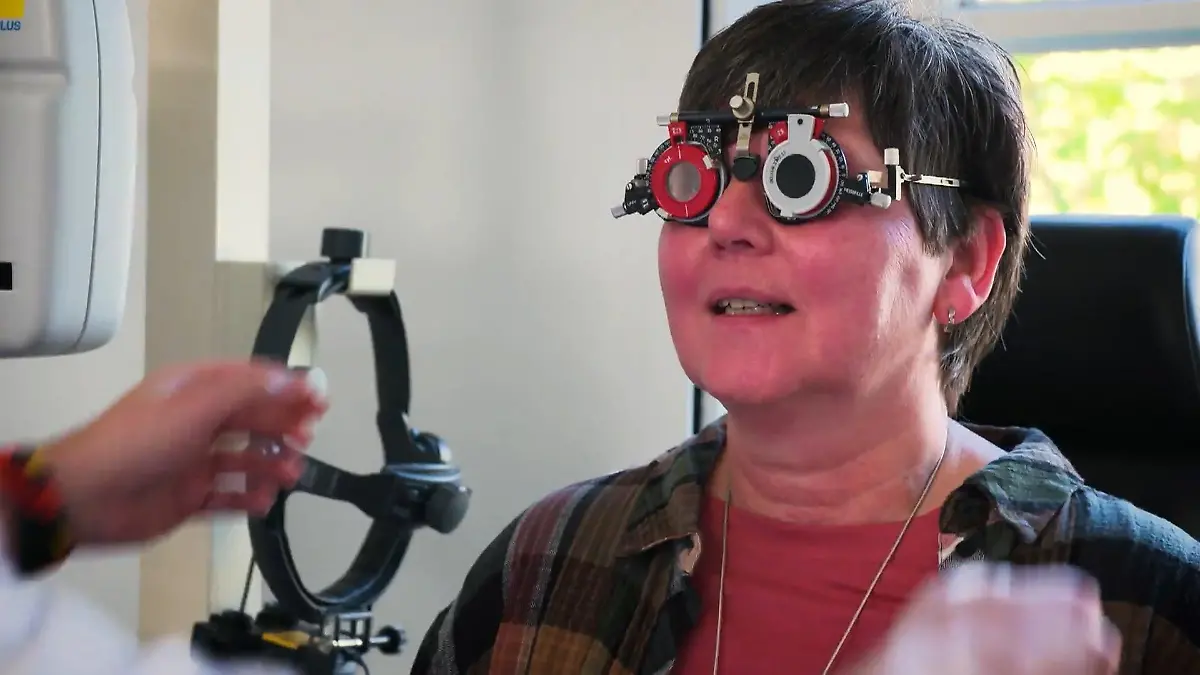
High demandSaved from blindness! Sabine can see again thanks to a cornea donation
Hope thanks to corneal transplantation!
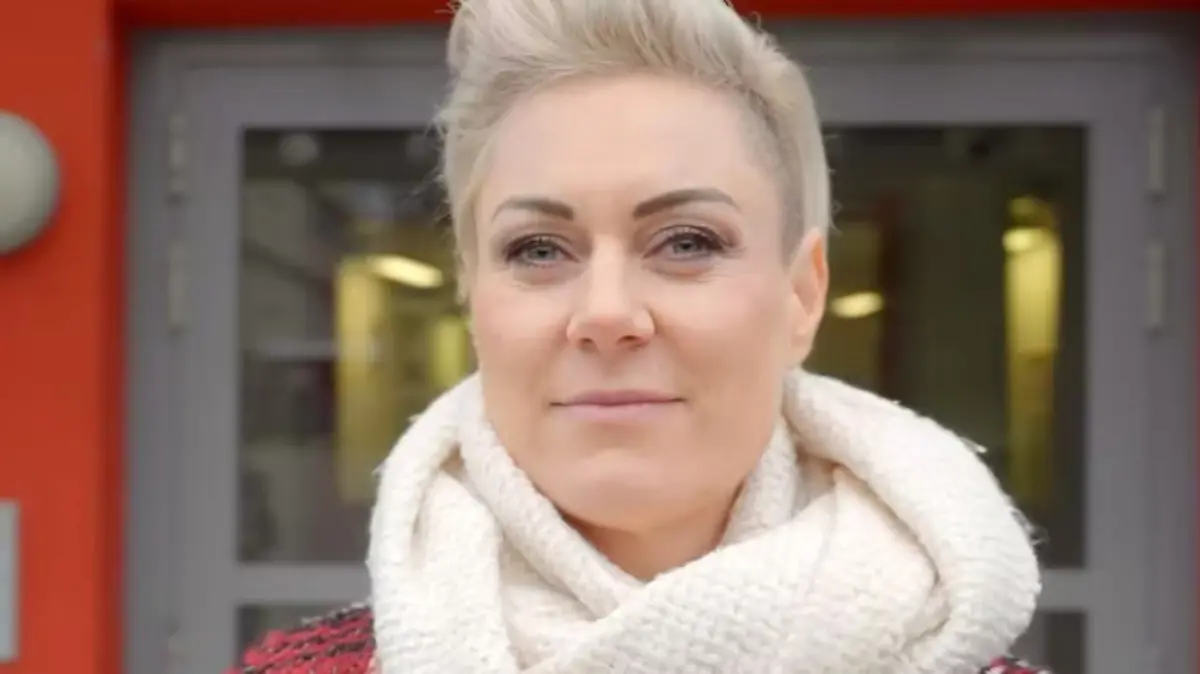
Sabine Gronau is one of the lucky patients at Düsseldorf University Hospital who received a cornea transplant. The waiting list is long and suitable corneas are rare. You can find out how the 61-year-old is doing six weeks after her operation in the video above. The clinic director, Prof. Dr., told us when such a transplant is even necessary and what criteria the donor organ must meet. Gerd Geerling revealed in an expert talk.
400 on the waiting list! Without a cornea donation, Sabine Gronau would probably have gone blind
“As far as I know, there is no other option yet cornea to replace it,” explains Sabine Gronau in an interview with RTL. The 61-year-old is therefore all the more grateful that she can benefit from a cornea transplant. Without this external donation, Sabina Gronau would probably have been blind in the long term.
But not everyone affected is so lucky: 400 other people alone are on the Düsseldorf eye clinic's waiting list for a cornea donation. The need is high, but the number of donors is too low!

The willingness to disclose the eyes as a donor organ in the organ donor card appears to be too low. “The eye is part of the brain, and as such it is also called: the window to the soul. And people may think that they are giving away part of their soul with it,” speculates Prof. Dr. Gerd Geerling, director of the ophthalmology clinic in Düsseldorf, in conversation at point 12.
This makes it all the more important for the clinic director to educate people about this “You don't donate the whole organ, but only a part of the organ, namely the cornea, i.e. a piece of tissue.” This is at least the case in Düsseldorf.
Reading tip: Wayne (12) dies in a tragic accident – and saves four lives after his death
Transplant requirements – when is a cornea suitable for donation?
Contrary to what many believe, astigmatism is “no exclusion criteria at all“, says Prof. Dr. Geerling. The expert emphasizes that everyone is easily affected by this. In addition, the curvature of the donor organ changes during the transplant anyway, especially since often only layers of the cornea are used.
Reading tip: This is what you should know about organ donation!
According to the Düsseldorf clinic, it depends more on the number of healthy cells – more precisely the so-called endothelial cells. These are responsible for supplying the cornea with nutrients and therefore also for clear vision.
Sabina Gronau is also happy about the latter! Six weeks after her transplant, she was seen by clinic director Prof. Dr. Geerling to check. Here it becomes clear: Sabine now has full perspective again – all thanks to a third-party donor!
Recommendations from our partners
Expert reveals: Then a cornea transplant is necessary
At the moment, cornea donations are still in short supply. This makes the question of when such a transplant is even necessary all the more important. Prof. Dr. In the expert talk, Geerling first refers to injuries: “Fortunately, most injuries are not so severe that a transplant is necessary, but in severe injuries this is definitely a necessity.”
Reading tip: Organ donor card: This decision can save lives
But severe inflammation, including infections, can also result in a transplant. According to the director, unhygienic handling of contact lenses in particular is a risk factor.
“Then there are a larger number of diseases that are congenital or manifest themselves over the course of life due to various gene constellations“, explains Prof. Dr. Geerling. One of the most common congenital diseases is Fuchs' endothelial dystrophy (FECD).
Sources used: Own RTL research