ruth901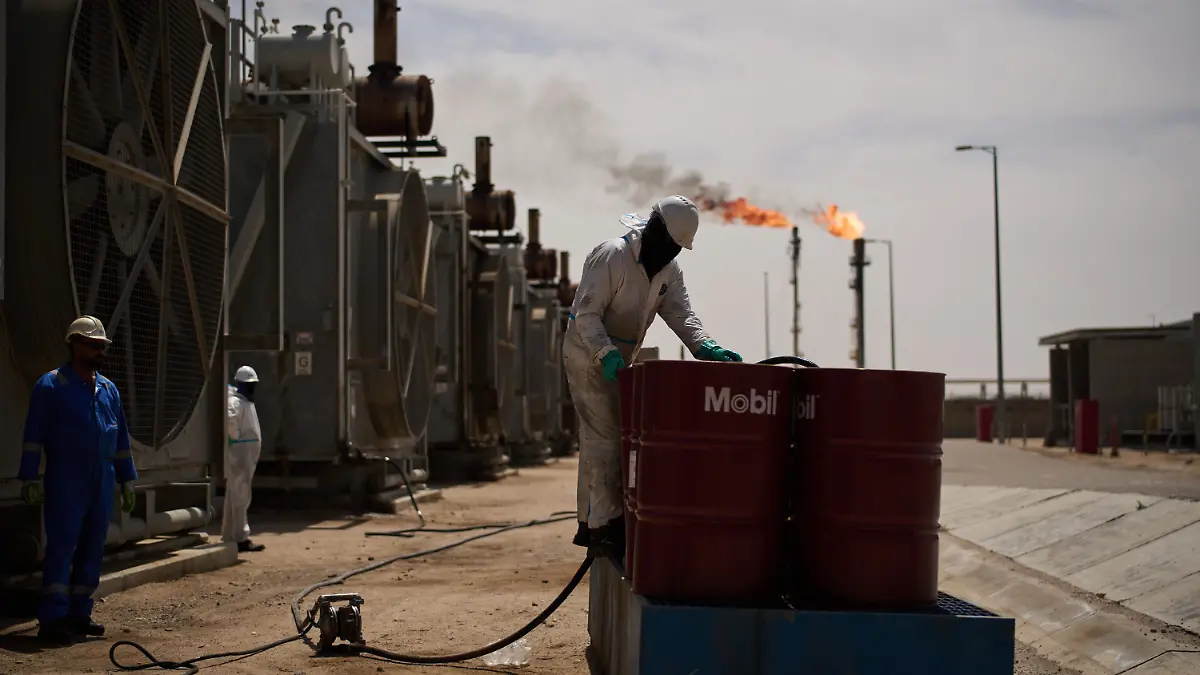
Its course drives up costsFuel shock! Oil prices explode after Trump announcement
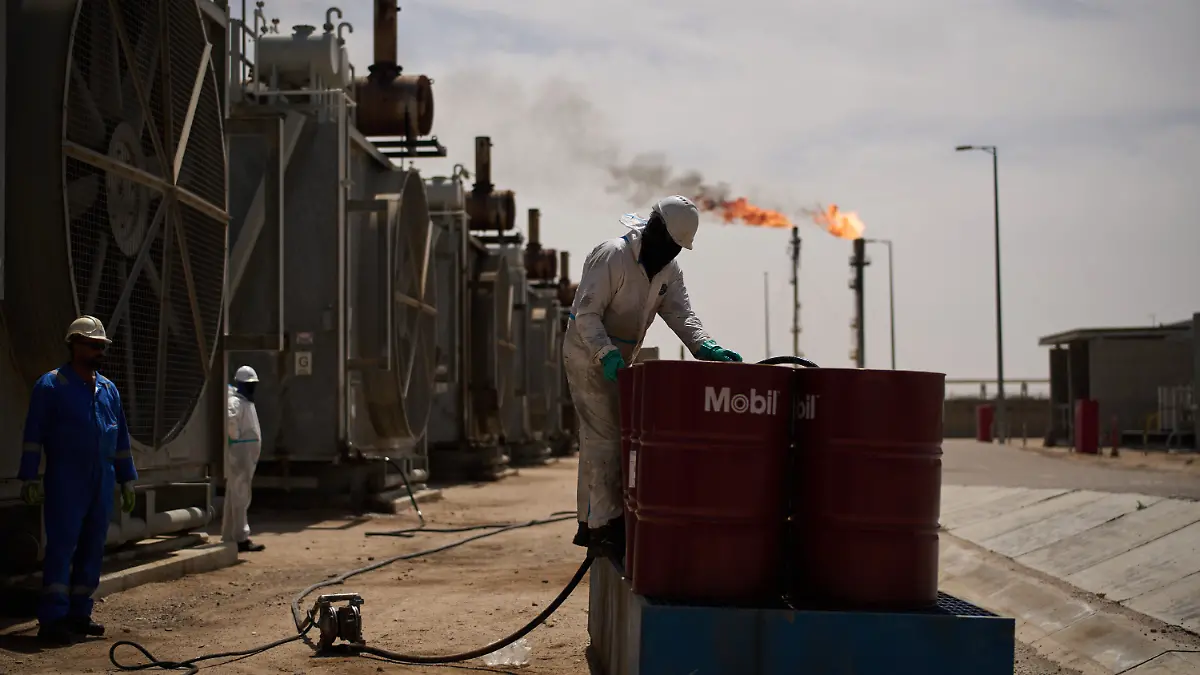
The OPEC+ countries want to expand their production volumes slightly. However, this does not solve the transport problem.
dpa
US President Trump is trying to persuade Iran to open the Strait of Hormuz with military threats. However, Tehran has so far appeared unimpressed by the recently extended ultimatum. There is no relief in sight on the oil market – on the contrary.
Oil prices started the week with further increases following US President Donald Trump's latest threats. The price of North Sea Brent crude oil for delivery in June rose to over $111 per barrel (159 liters). That's almost $40 more than before the war began. The US variety West Texas Intermediate also increased.
Trump had previously threatened the Iranian leadership with violent attacks if Tehran did not open the Strait of Hormuz. The last time he mentioned the deadline on his Truth Social platform was Tuesday evening, 8 p.m. US Eastern Time (2 a.m. CEST on Wednesday). This is the third time the US government has postponed its ultimatum to Tehran. But the threats are getting sharper.
“If they do nothing by Tuesday evening, no power plant or bridge will remain standing,” Trump told the Wall Street Journal. On Truth Social, the president also used insults to emphasize his demands on Iran. “Open the damn road (of Hormuz) you crazy bastards or you will end up in hell,” he wrote in a post on Easter Sunday.
The eight core states of the OPEC+ oil cartel are now deeply concerned about Iranian attacks on the energy infrastructure. Restoring damaged energy systems is costly and time-consuming, the states said. This affects the general security of supply. Even if the war ends immediately, a return to normal operations will take months, according to several representatives of the Gulf states. According to the alliance, the protection of international sea routes is crucial for supplies, with a view to the extensive blockade of the Strait of Hormuz.
At the same time, the OPEC countries and their partners are turning on the oil tap a little. Daily production could be increased by 206,000 barrels (159 liters each) in May, it said. However, the most important members cannot increase their production because of the war. Iran has been blocking the Strait of Hormuz since the end of February. The strait is the world's most important route for oil transport. As a result, exports from OPEC+ members Saudi Arabia, Kuwait, the United Arab Emirates and Iraq will be lost. Before the war, these countries were the only ones able to significantly expand their production.
It is currently estimated that the market is missing 12 to 15 million barrels per day. This corresponds to up to 15 percent of the global supply. The US bank JPMorgan warned last week that prices would rise to an all-time high of over $150 if the disruptions continued until mid-May.
The agreed quota increase corresponds to less than two percent of the lost delivery volume. However, it signals a willingness to increase production after the waterway reopens, according to OPEC+ circles. In reality, the decision hardly brings any additional quantities onto the market, said Jorge Leon from the analysis company Rystad Energy. “If the Strait of Hormuz is closed, additional OPEC+ barrels will become largely irrelevant,” the former OPEC official explained.
Sources used: ino/dpa/rts