ruth901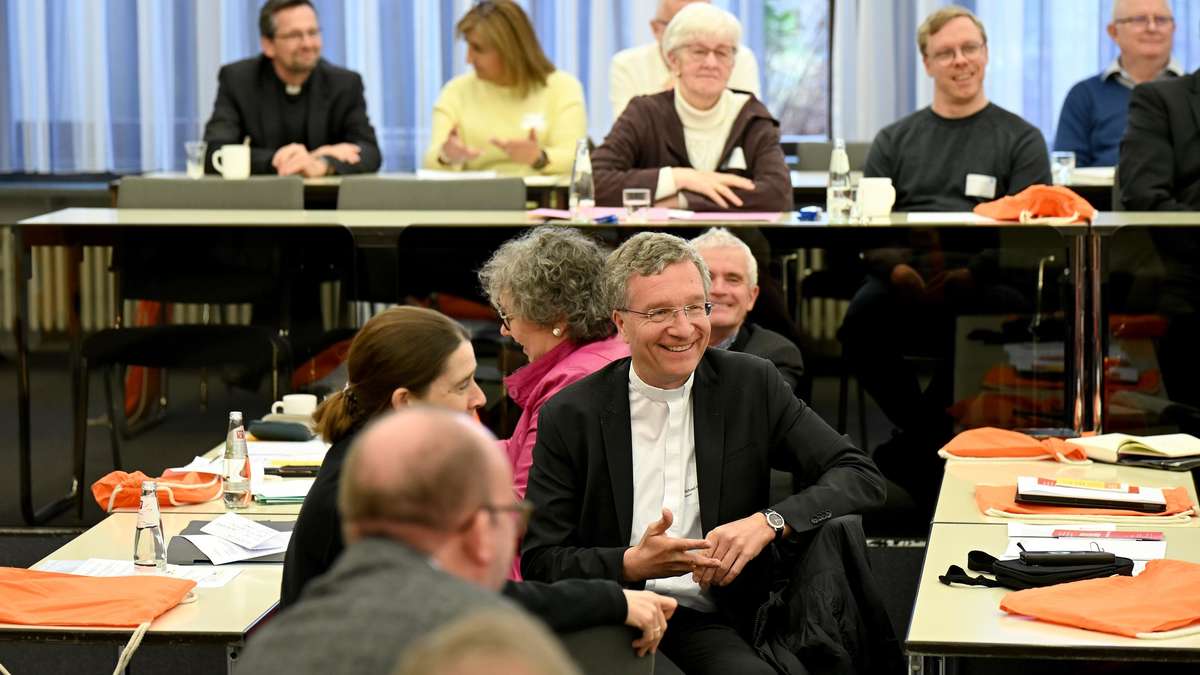

The diocese of Fulda is striving for more synodality. There was a meeting of the diocesan committees in the Bonifatiushaus in Fulda. A new conference format was proposed.
Fulda – That Diocese of Fulda has, according to its own statements, “taken an important step towards synodal church development” and thus sent a clear signal for more shared responsibility and dialogue. For the first time, all diocesan committees met for a synodal exchange.
The aim is to ensure that “synodality in the diocese consistently develops and takes concrete forms”. In the Catholic Church, synodality (Greek: common path) refers to the principled coexistence of laypeople, religious and clergy. It is a dynamic process of listening and dialogue.
Diocese of Fulda strengthens synodality – is there a new dialogue format coming?
More than 100 volunteers and full-time employees from areas such as pastoral care, education, youth work and church administration came together in the Bonifatiushaus in Fulda. The aim was to intensively discuss perspectives, expectations and concrete ways of synodal action, as the diocese announced.
The focus of the event was discussion and reflection sessions on synodality. In workshops, the participants dealt with the process of the World Synod, the Synodal Path in Germany and the practical challenges in the Diocese of Fulda. Particularly important was the question of how a “conversation in the mind” can be successful and how sustainable forms of joint decision-making can be developed.

Bishop Dr. Michael Gerber opened the conference with an impulse on his understanding of synodality. He emphasized that it is important to always return to the core of the church's mission. He also described the church as a “small, sometimes very shaken community”. Following Brother Roger and the spirituality of Taizé, he emphasized that the church, despite human limitations, is supported by God and can thus constructively meet the challenges of the present.
The synodal team of the diocese of Fulda, led by Dr. Anette Stechmann, head of the “Church Life” department in the Episcopal Vicariate General, set herself the goal of more closely linking and making use of the impulses of the World Synod, the results of the Synodal Path and existing initiatives in the diocese.
Next joint synodal conference in September
A significant outcome of the meeting is the proposal to establish a diocesan synodal conference in the diocese. This new, synodal body could bundle and further develop processes at the diocesan level, support the bishop in questions of church life and make recommendations on organizational issues and structural developments in the church and society.
However, there is still a lot to be done: the proposal and the idea for the new format would have to be further developed in the next steps, coordinated and finally presented to the responsible management and decision-making bodies at the diocese level. According to the diocese of Fulda, synodality is becoming increasingly important. It aims to bring people into conversation with each other, strengthen consultation processes and share decisions across different levels.

At its core, synodality means listening to one another, taking different perspectives seriously and sharing responsibility. Especially in view of social tensions, the synodal orientation consciously focuses on dialogue, openness and understanding. It helps to strengthen trust, deal with conflicts constructively and visibly live democratic values in everyday church life.
At the diocesan meeting on the topic of synodality, representatives from all committees came together: from the Catholic Council, Church Tax Council, Diocesan Asset Management Council (DVVR), spokespersons for the laity in pastoral ministry, from the College of Consultors, Deacon Circle, Deans' Conference, Priests' Council, the large Curia Conference and other management and advisory bodies.
The next joint synodal conference of the diocesan bodies will take place in September 2026. Meanwhile, there was a special ordination to the priesthood on March 15th in the Fulda parish church. The 31-year-old Ukrainian Ivan Kolodii was ordained a priest there according to the Byzantine rite.